6 Things That Define Apsara Dance Through the Centuries
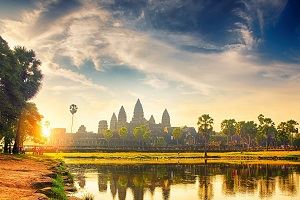
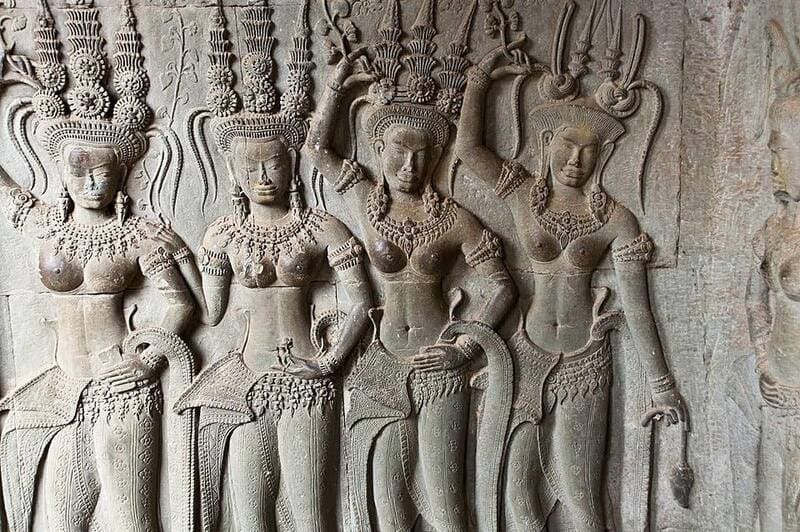
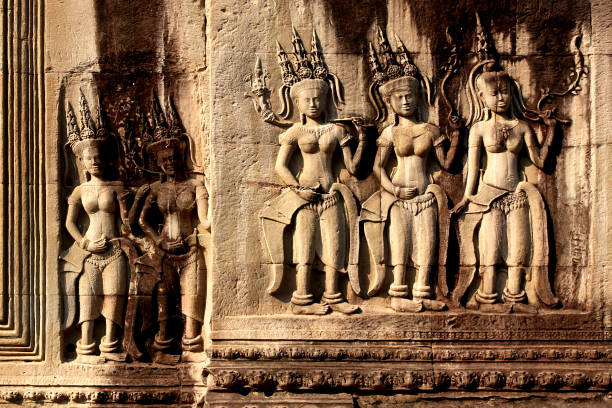
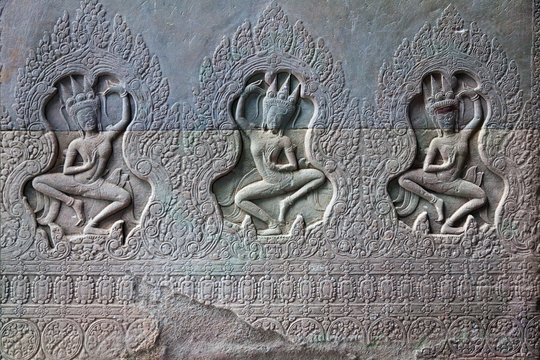
When you visit Cambodia, especially the temples of Angkor, you’ll quickly notice graceful female figures carved into the stone walls.
These are Apsaras – celestial dancers from ancient Khmer mythology. The Apsara Dance is one of the most important and symbolic traditional arts of Cambodia, deeply connected to the glory of the Khmer Empire since the 9th century. As we explore this topic, I’ll help you understand where the dance comes from, what its movements mean, how dancers are trained, and how this beautiful art was revived after difficult times in Cambodian history.
Written by Preetika Narula (Local Expert)
Updated on Feb 26, 2026
0 comment
At 35 years old, Preetika is an enthusiastic explorer deeply connected to Thailand, Laos and Cambodia's rich heritage. As a Bangkoker, her local insights and experiences imbue authenticity into her narratives. She discovers solace within the pages of a book as much as amidst Southern Asian vibrant landscapes and bustling street markets. With an ardent passion for travel and a profound affection for literature, Preetika effortlessly integrates her personal adventures into captivating stories, providing a perspective uniquely rooted in local experience.
Apsara Dance is Cambodia’s most iconic classical dance, rooted in the ancient Khmer Empire and carved into the temples of Angkor Wat. Inspired by celestial nymphs from Hindu mythology, it symbolizes grace, spirituality, and royal heritage.
Nearly lost during the Khmer Rouge era, it was revived in the 20th century, especially through the efforts of Princess Bopha Devi and is now recognized by UNESCO as Intangible Cultural Heritage of Humanity.
Origin of the Apsara dance: A symbol of Khmer heritage and culture
Cambodian classical dance, Apsara dance, is a legacy that Khmer ancestors have passed down since time immemorial. Since the ninth century, Apsara dances have found expression in the bas-reliefs of Angkor Wat, built during the reign of Jayavarman II.
It is estimated that there were about 3,000 Apsara dancers at the court of King Jayavarman VII in the twelfth century
Apsara is a classical dance that exhibits great grace, charm, and pliant postures combined with gentle gestures. It entered Apsara dance from Hindu mythology, where Apsaras represent celestial nymphs who dance and sing for the gods. Whenever these celestial nymphs amuse themselves by dancing, they shower nature with fertility, love, and happiness across the globe.
The legend speaks of Apsaras emerging with the amrita, elixir of immortality, during the gods' churning of the ocean.
The artists who perform it, usually women, are called Apsara dancers
Earlier, Apsara dances were performed only in royal palaces in Cambodia. It wasn't until the 1960s that it was performed abroad and gained international fame.
The art of Khmer dance was nearly eradicated amid the conflicts of the last century; almost 80% of the royal artists were lost under the Khmer Rouge.
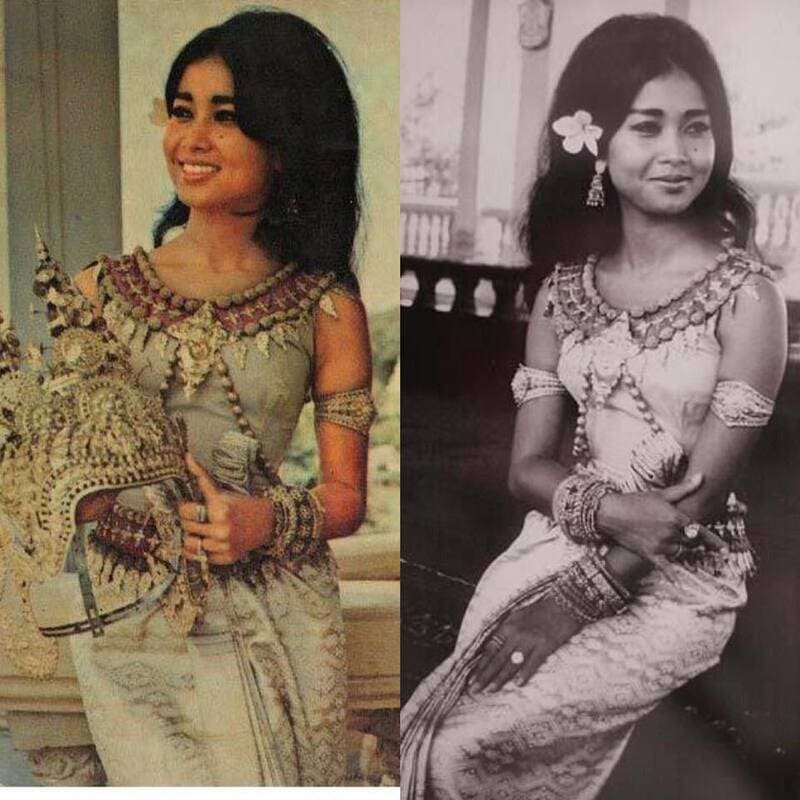
In recent decades, however, the art has been experiencing a spectacular revival. In particular, it was Princess Bopha Devi whose promotion of Apsara dance in the twentieth century aided its rebirth.
Princess Bopha Devi, ambassador of the royal dance, played a key role in its restoration by training many generations of dancers
In 2003, UNESCO inscribed Apsara dance on the list of the Intangible Cultural Heritage of Humanity, attesting to its significa
Apsara dancers and their spiritual significance in Khmer culture
A skilled Apsara dancer not only performs but also serves as a bridge between the mortal and divine realms, transmitting sacred knowledge through her movements. The dancing of these divine beings, in royal and religious ceremonies, is seen as alive, dancing to promote the wealth of the kingdom and its emperor.
The walls of Angkor still whisper the graceful footsteps of the Apsaras, immortalizing the beauty and spirituality of Khmer dance.
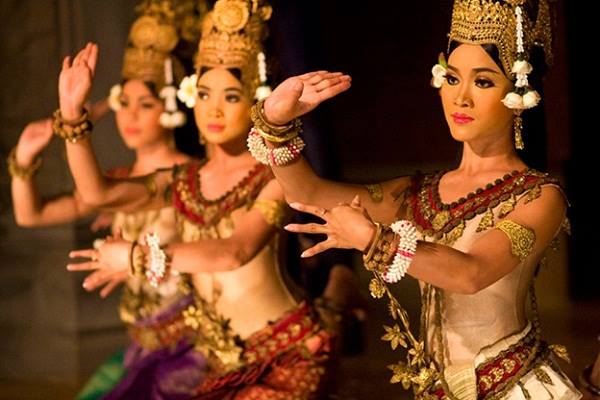
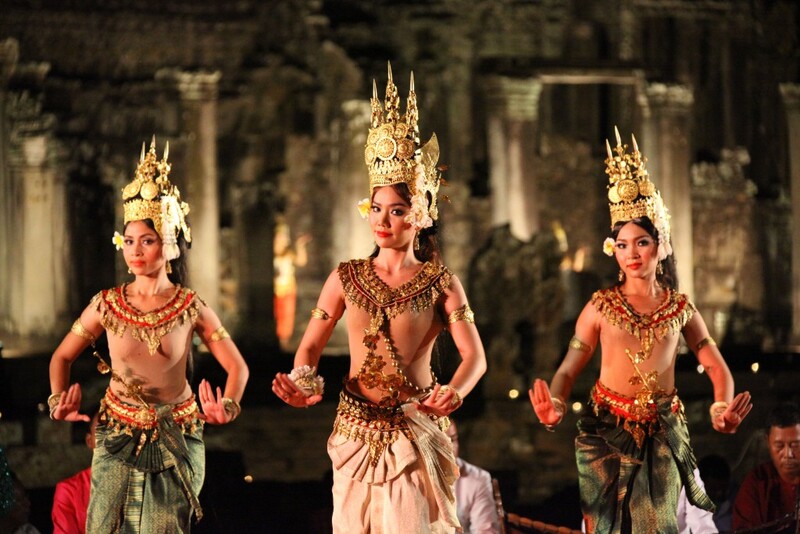
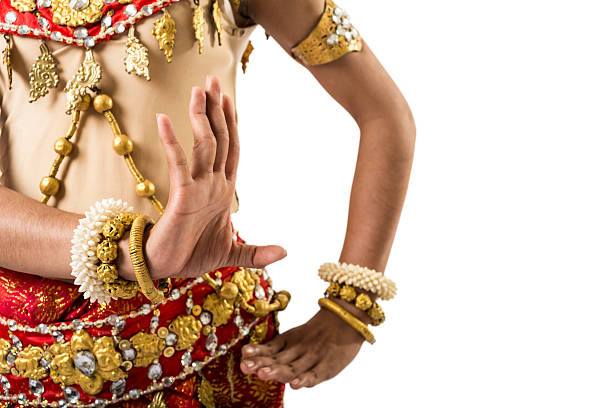
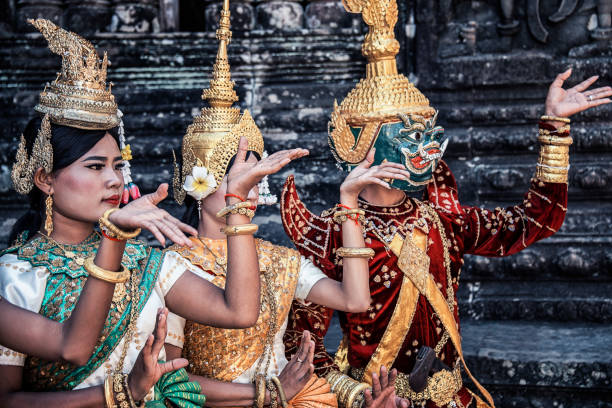
In addition, Khmer Apsara dance is taught to young people all across Cambodia. The dancers make graceful, flowing motions accompanied by tranquil expressions and characteristic curling of the fingers. These exhibitions are available for tourists to witness every night in some restaurants in the major cities, especially Siem Reap, home to the grand temple of Angkor Wat.
Thẻ tour 5588, 5598, 5149
Dance techniques and styles of Apsara performers
How Apsara dance stands apart from other choreographic traditions
Different from Western ballet, which accentuates movements of the legs, Khmer Apsara dance thrives on hand gestures and indeed includes an entire-body harmony. In contrast to Indian dance, where each finger bears a specific meaning, an emotion is best expressed through the hand gestures of Khmer dance, which tell stories of their own.
Body Movements
The body of a dancer has known constant movement, soft and flowing, forming graceful lines, like ripples of water. Dancers, to achieve perfection, practice every day from early dawn, undertaking rigorous stretching exercises aimed at the hands, legs, neck, and knees.
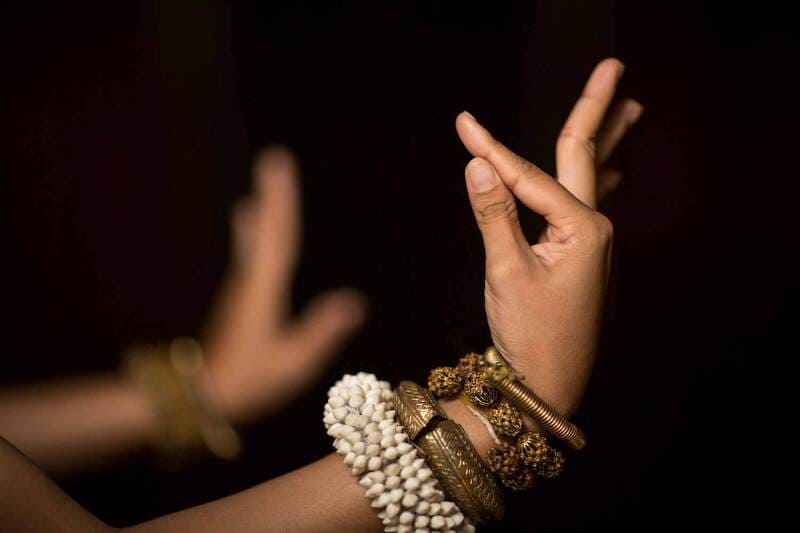
The hand movements, called Mudra, include about 150 distinct gestures, each with a specific name and meaning.
The Demanding Nature of Art
One of the most intricate postures is kneeling on one leg and rising up only with the other, never using both legs at once. Many of the postures or sequences had their origins in adoring the legendary Naga snake, an embodiment of earth and water, which quite often finds representation in Khmer rituals.
Training dancers: The process unveiled
Selection of girls to enter the Royal Dance Academy of Phnom Penh from the age of 8 is based on criteria such as beauty, health, and sensitivity to music. Traditionally regarded as royal dancers, they would live within the palace grounds, far removed from the outside world, and were subjected to the rigors of discipline so that the purity and perfection of their art would never be compromised.
The iconic costumes and accessories of dance
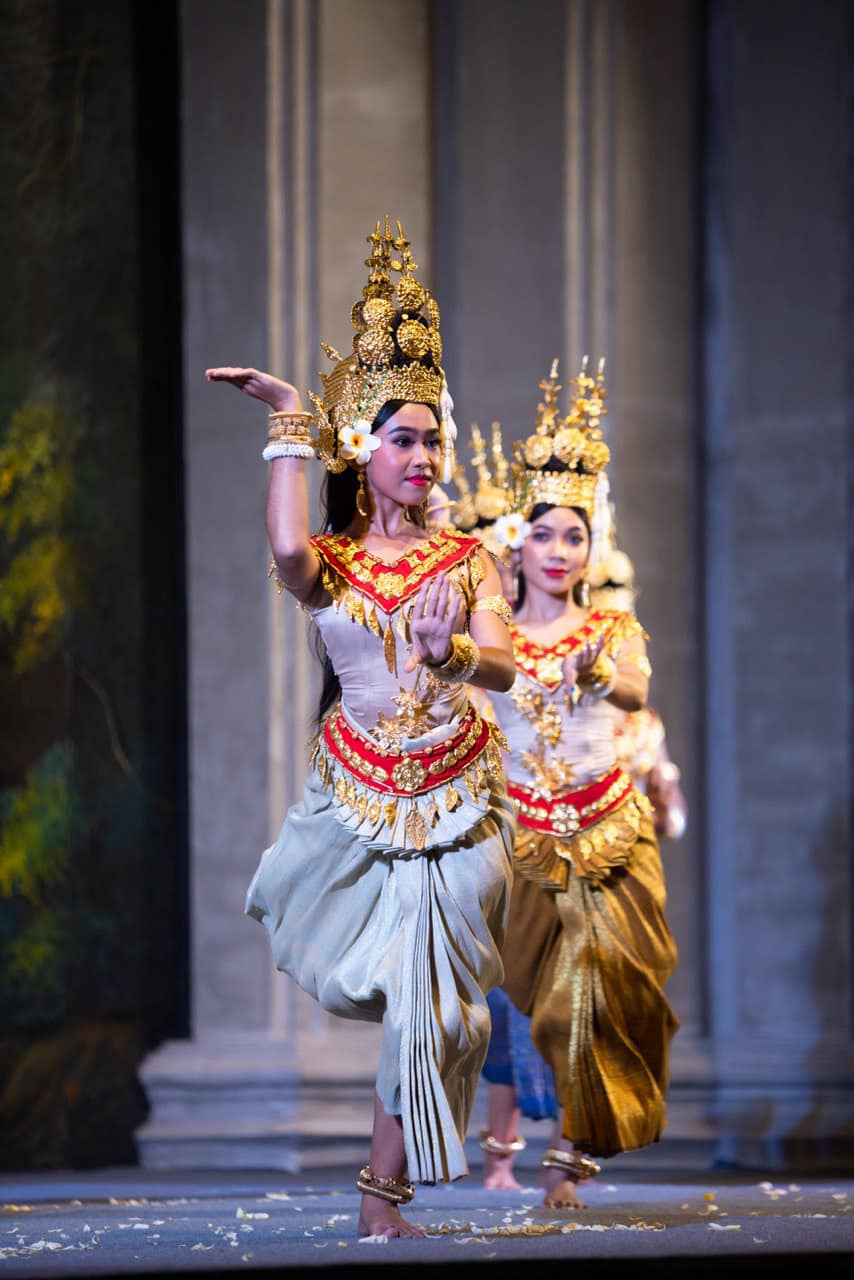
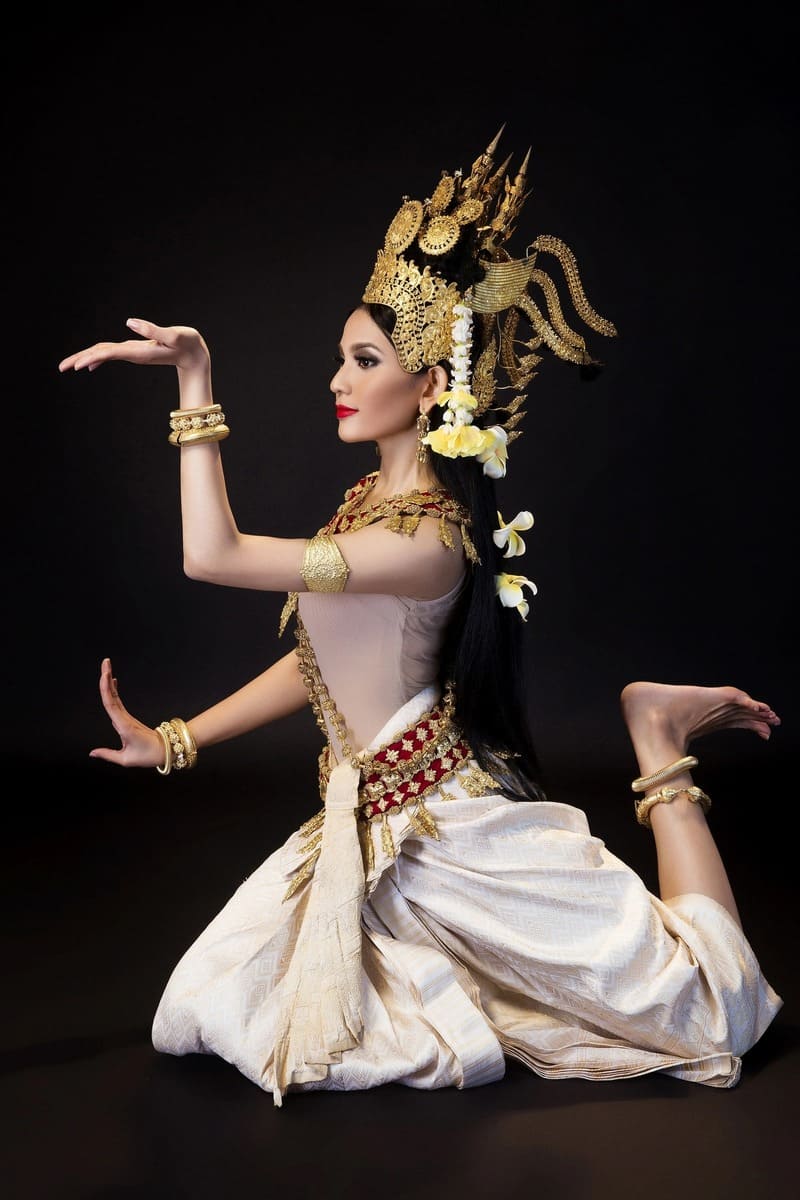
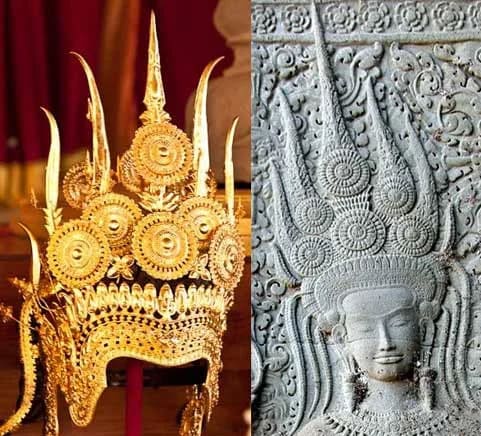
The costumes of the Apsara dancers have bas-reliefs of Angkor Wat as their inspiration and also seal within them the grace and imagination of this holy dance.
The Kabang Tiara: A three-tiered representation of the three towers of Angkor Wat.
Close-up costume: A gold or white bodice under a flamboyant sarong.
Gold jewelry: bracelets, necklaces, belts, and ankle braces; they also form gold ornaments that make up the total beauty of the dancers.
Barefoot: Meaning connection with Mother Earth.
The headdress in the Apsara dance is an emblematic element inspired by the sculptures of Angkor
It is entirely without buttons or hooks; it is directly sewn onto the dancer for a perfect fit. This kind of making has been passed through generations as ancestral know-how; however, this trade is becoming rare in the contemporary age, as it is too meticulous and very expensive to produce.
The jewels of the Apsara dance, between golden headdresses, necklaces and refined bracelets, sublimate each movement with brilliance and grace
The different forms of Apsara Dance
There are many kinds of Apsara dance, each kind having a specific relevance and context:
Classical Apsara dance: Closely related to mythology and royal ceremonies.
Traditional dance: Inspired by rural life, it portrays harvest scenes, festivities, and daily activities.
Religious dance: To pay homage to deities or to seek blessings from deities.
Apsara dance is more than a performance art; it is a part and parcel of traditional Khmer rituals:
The Sompeos Krou (homage to the master) ritual: Usually organized once a week, it enables the dancers to express gratitude to their teachers and the protective deities from whom they derive support.
The Mask Ritual: An important step before any dancer can perform.
Top places to admire Apsara dance in Cambodia
Kanell Dinner Show
📍 Address: High School Road, Krong Siem Reap
Kanell Dinner Show of Angkor invites you to experience the sacred Khmer Apsara Ballet in an intimate, spiritual setting. Performed by The Sacred Dancers of Angkor, this unique troupe preserves ancestral traditions through meditation, prayer, and mastery of over 4,500 classical gestures.
Founded by the NKFC conservatoire (since 2007), the show supports young artists from disadvantaged backgrounds while promoting Cambodia’s UNESCO heritage.
Kanell Dinner Show of Angkor invites you to experience the sacred Khmer Apsara Ballet in an intimate, spiritual settin
Located in the heart of Siem Reap and close to major hotels, Amazon Angkor Restaurant-Theatre offers a vibrant cultural dining experience inspired by the spirit of Angkor’s temples. Blending traditional Khmer cuisine with selections of Japanese, Vietnamese, Chinese, and Western dishes, the restaurant features lunch set menus and an extensive dinner buffet with over 40 dishes.
Each evening, the restaurant presents captivating Apsara and traditional Khmer dance performances.
The Angkor Village Hotel Siem Reap
📍 Address: Wat Bo Road, Street 26, in front of Angkor Village Hotel, Siem Reap
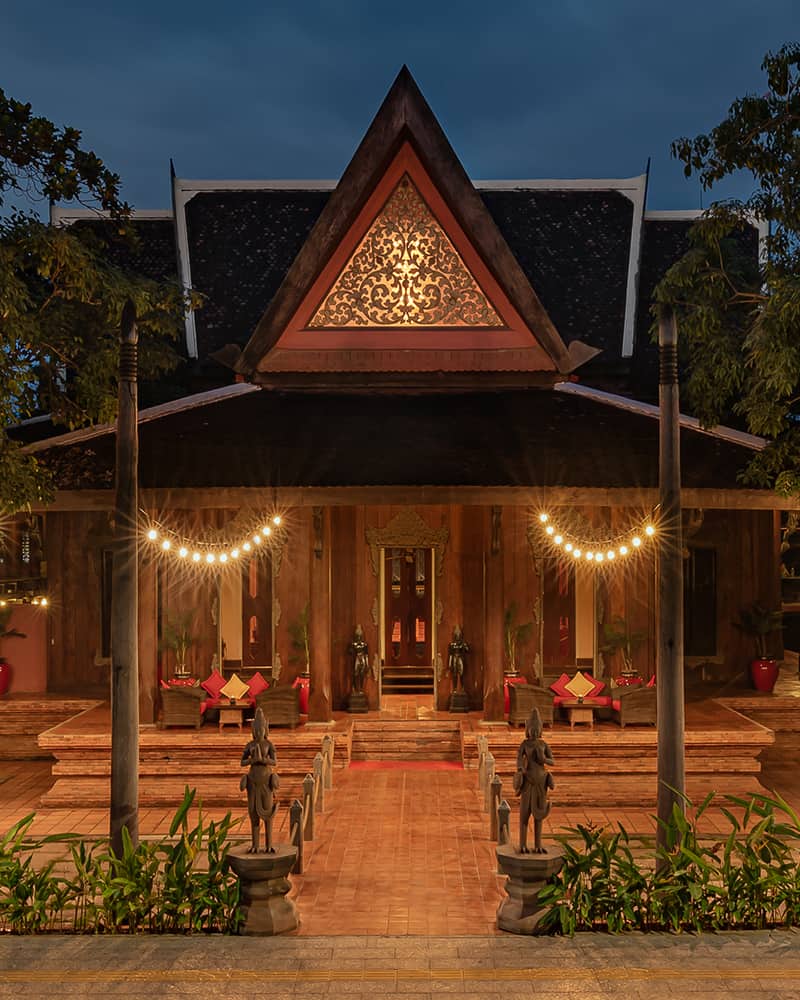
Apsara Theatre, inside the Angkor Village Hotel, is a premier place for Cambodian arts to survive and flourish. This theater was established in 1997, making it the oldest in Siem Reap. From its inception, it has been integral in reviving traditional Khmer dances for better appreciation of the conservation of these precious cultural gems. The Apsara Dance performance venue par excellence in Siem Reap.
The Apsara Theatre, located within the Angkor Village Hotel
Aside from this specialized theater inside Angkor Village Resort, many hotels and restaurants host Apsara dance performances every evening, often with a buffet or a traditional Khmer menu. Among them: Morakot Angkor Restaurant, Siem Reap, daily show: 7:30 pm – 8:30 pm.
Conclusion
The Apsara dance is much more than a cultural heritage of Cambodia; it signifies the revival and tenacity of a tradition from deep within Khmer history. After suffering many adversities through time, this fine art has retained its brilliance and continues to do so. Thanks to the restoration actions undertaken by Queen Kossamak and Princess Bopha Devi, the Apsara dance does not only exist; it is flourishing into a symbol of national pride for the Khmer people.
Planning your trip?
Save time and get expert advice for FREE!
✅ 15 years of local experience
✅ Save up to 40 hours of planning
✅ Travel stress-free from start to finish
Book your free consultation today!






 Our team
 Our team
 Our team
 Our team

.jpg)
.jpg)



 Other
Other Add us as a preferred source