Hanoi vs Ho Chi Minh City: A Local’s Honest Comparison
When travelers ask me whether they should choose Hanoi or Ho Chi Minh City, my answer is always the same: it depends on what kind of Vietnam you want to experience first. And I mean that genuinely, these two cities are so different from each other that visitors who fall head over heels for one often leave the other feeling flat. I've spent years guiding international visitors through both cities.
So if you're researching Hanoi or HCMC for your upcoming trip and want an honest breakdown from someone who knows both cities well, this guide is for you.
Written by Trang Nguyen (Local Expert)
Updated on Jun 17, 2026
0 comment
Trang Nguyen has lived in Vietnam for nearly three decades and spent much of her life exploring Asia. She has joined numerous field trips, stayed with ethnic communities in the northern mountains, and gained deep insights into local cultures and landscapes. Her writing reflects an honest passion for authentic travel and meaningful connections. If you have any questions about her journeys, feel free to reach out and leave a comment!
Travelers who want a slower, more "old Vietnam" experience
Food lovers interested in traditional northern cuisine
History buffs and culture seekers
Anyone using Vietnam as a base for northern adventures (Ha Long Bay, Sapa, Ninh Binh)
Travelers who find overstimulation exhausting
People visiting Vietnam for the second or third time
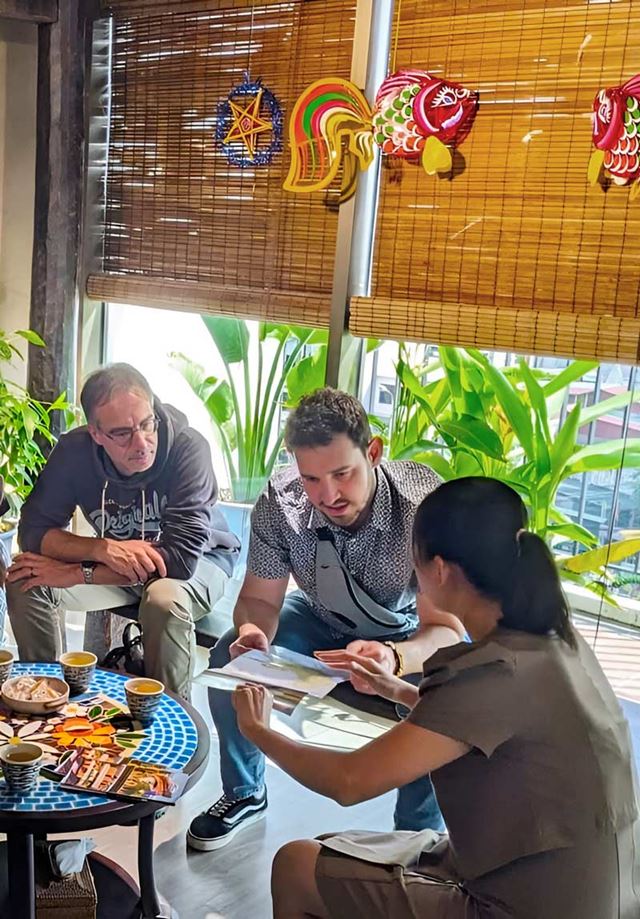
Dinh cafe's balcony
Who Should Choose Ho Chi Minh City?
First-time visitors to Southeast Asia who want ease and familiarity
Nightlife seekers and social travelers
Business travelers
Anyone short on time who wants maximum sightseeing density
Travelers heading to the Mekong Delta or southern beach destinations
People who prefer a modern city with Western comforts
Hanoi vs Ho Chi Minh City: Atmosphere & Culture
Hanoi's 1,000-Year Heritage
Hanoi doesn't try to impress you immediately. It has been Vietnam's political capital for centuries, and that weight of history sits visibly on its streets.
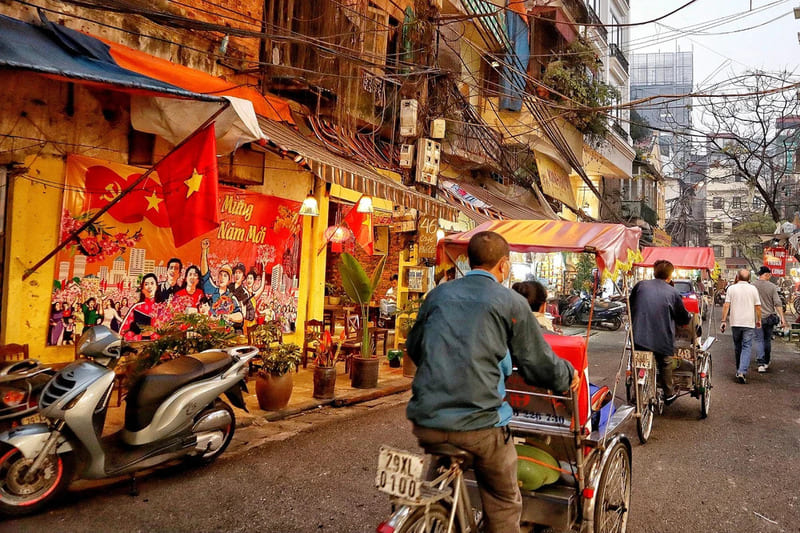
The Old Quarter, a maze of 36 ancient trade streets, each once dedicated to a specific craft, is one of the most atmospheric urban neighborhoods in all of Southeast Asia.
The Old Quarter, a maze of 36 ancient trade streets
You can still find silk vendors on Hàng Gai, paper goods on Hàng Mã, and tin workers on Hàng Thiếc.
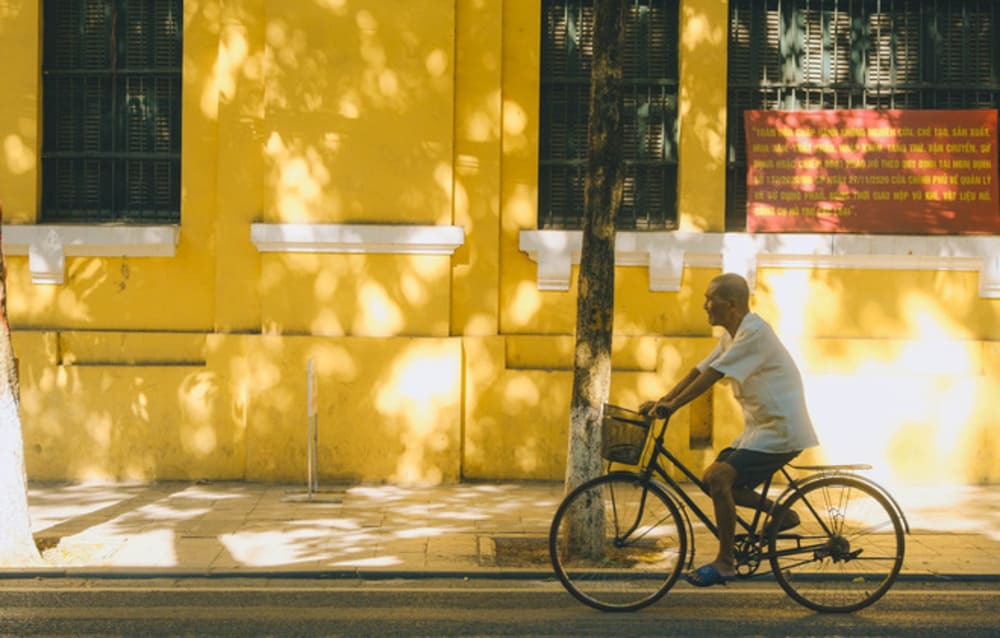
The French colonial layer adds another dimension: wide boulevards, mustard-yellow government buildings, elegant villas half-hidden behind bougainvillea.
The mustard-yellow government buildings of Hanoi
Ho Chi Minh City's Entrepreneurial Energy
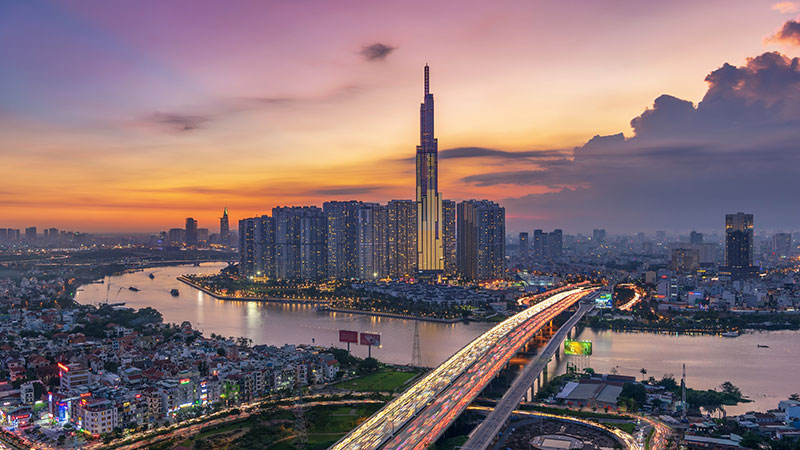
Ho Chi Minh City, still called Saigon by almost everyone who lives there, operates on a different frequency entirely.
It has more international expats, more rooftop bars, more brunch spots, more of everything. The War Remnants Museum and the Reunification Palace sit in the middle of a city that has very deliberately moved on.
Ho Chi Minh City, a dynamic city where skyscrapers dominate the urban landscape
Which City Feels More "Authentically Vietnamese"?
This is a question I get constantly, and the honest answer is: it depends on which Vietnam you're looking for.
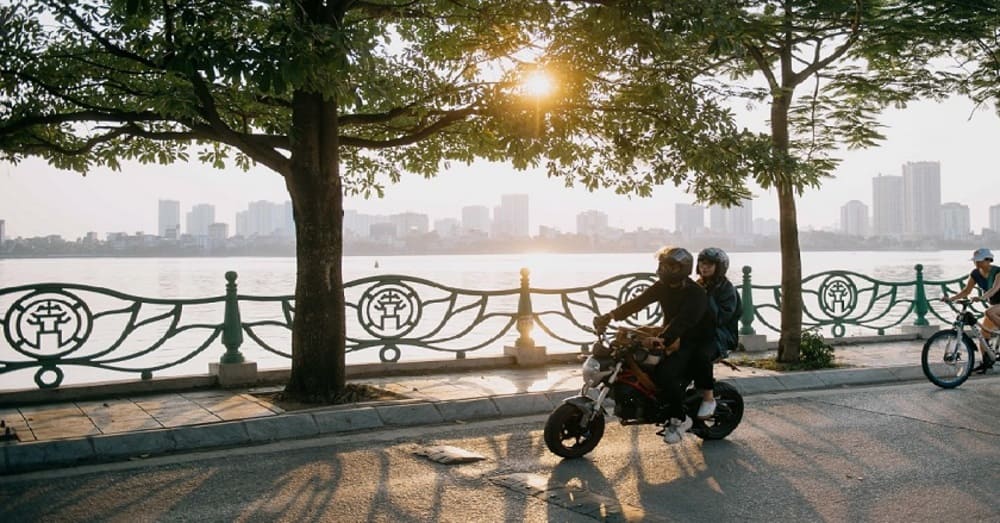
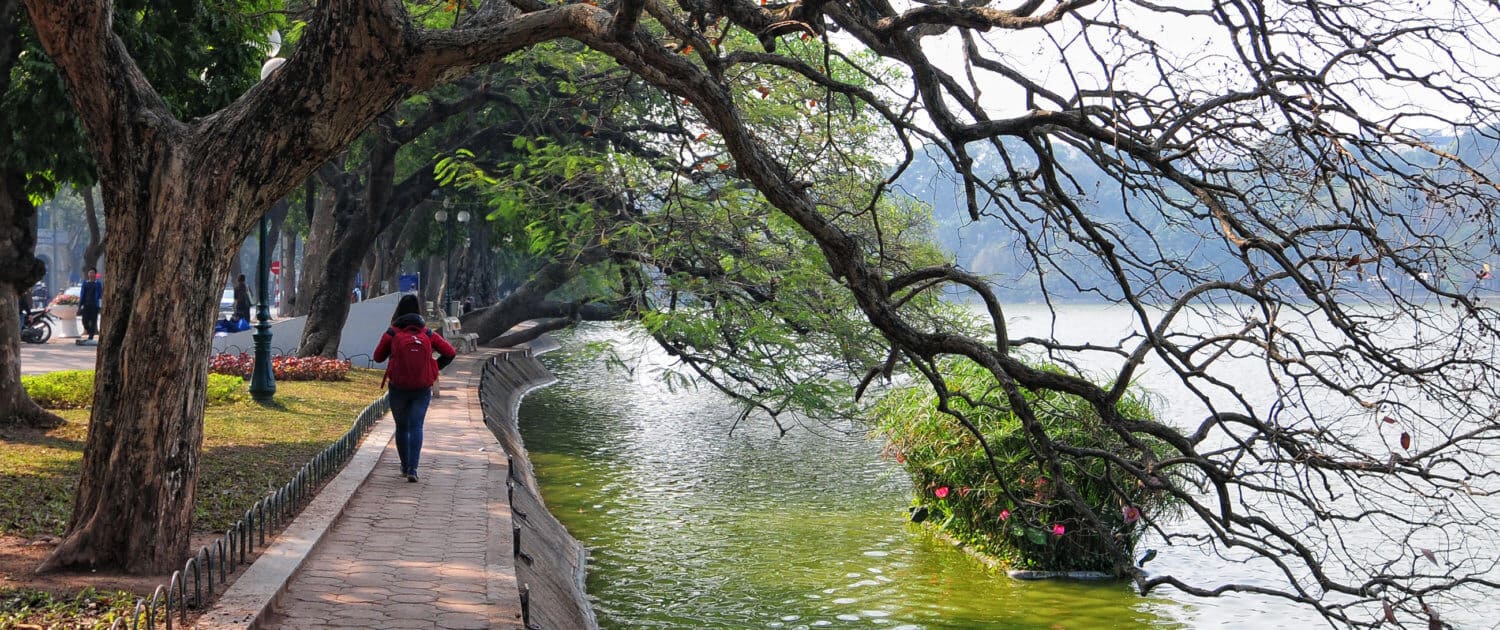
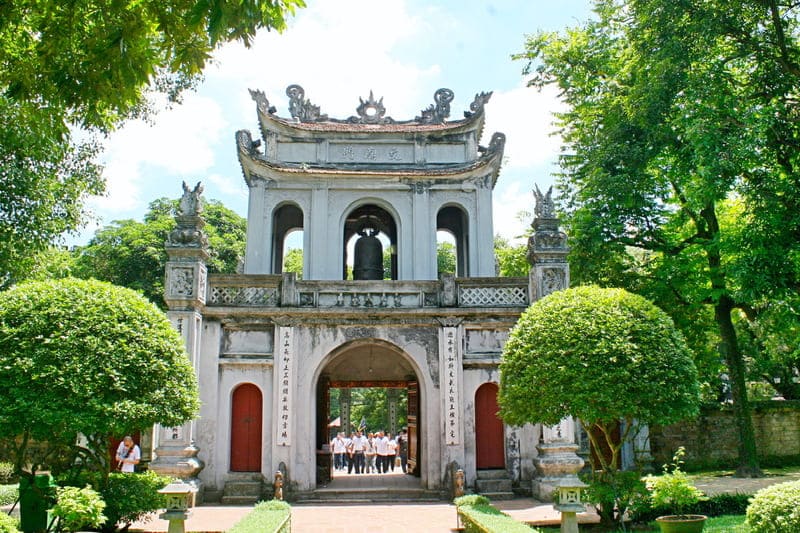
Hanoi feels more traditionally Vietnamese in the northern sense, conservative, deeply rooted in Confucian values, attached to ritual and ceremony: The Temple of Literature, the Ho Chi Minh Mausoleum, the village pace of West Lake.
One of the best things to do at West Lake Hanoi is ride along the lakeside, a favorite among locals.
Ho Chi Minh City, by contrast, feels like the Vietnam that is happening right now. The country's economic ambition, its youth culture, its global appetite, it's all concentrated in Saigon. Travelers who've read about Vietnam's wartime history and want to understand what the country became afterward will find more answers there.
On travel forums, the recurring sentiment is this: Hanoi feels like the Vietnam of the past; Saigon feels like the Vietnam of the future. Both are authentic.
Food Comparison: Hanoi vs Ho Chi Minh City
Traditional Vietnamese Food
Hanoi is the home of northern Vietnamese cuisine, which is more restrained and more aromatic than its southern counterpart. The broths are cleaner, the seasoning is lighter, and the focus is on the quality of a few key ingredients rather than complexity.
Must-eat dishes in Hanoi:
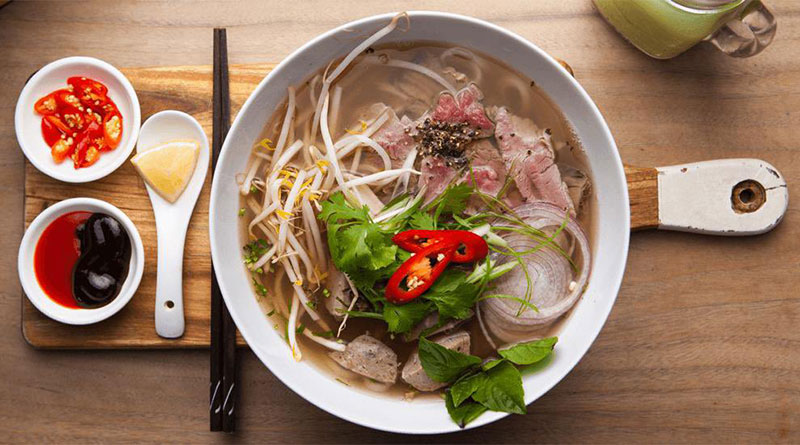
Phở bò, Hanoi-style beef pho with a clear, deeply fragrant broth. The northern version is notably less sweet than what you'd find in the south, and the accompaniments are minimal by design.
Bún chả, grilled pork patties served with vermicelli noodles and a sweet-sour broth for dipping. This is peak Hanoi lunch, and it's the dish Barack Obama ate with Anthony Bourdain in 2016. The place they visited, Bún Chả Hương Liên in Đống Đa, still draws a crowd.
Chả cá Lã Vọng, turmeric-marinated fish, pan-fried tableside with dill and spring onions. It's one of the most distinctive dishes in Vietnamese cuisine and almost impossible to find well-made outside of Hanoi.
Bánh cuốn, steamed rice rolls filled with seasoned pork and wood-ear mushroom, served at breakfast. A dish that barely exists outside the north.
A plate full of Vietnamese Pho
Street Food Experience
Hanoi's street food scene is intimate and hyper-local. The best meals happen on tiny plastic stools, at vendors who've been making the same dish for decades, in the same spot on the same street. There's a ritual to it.
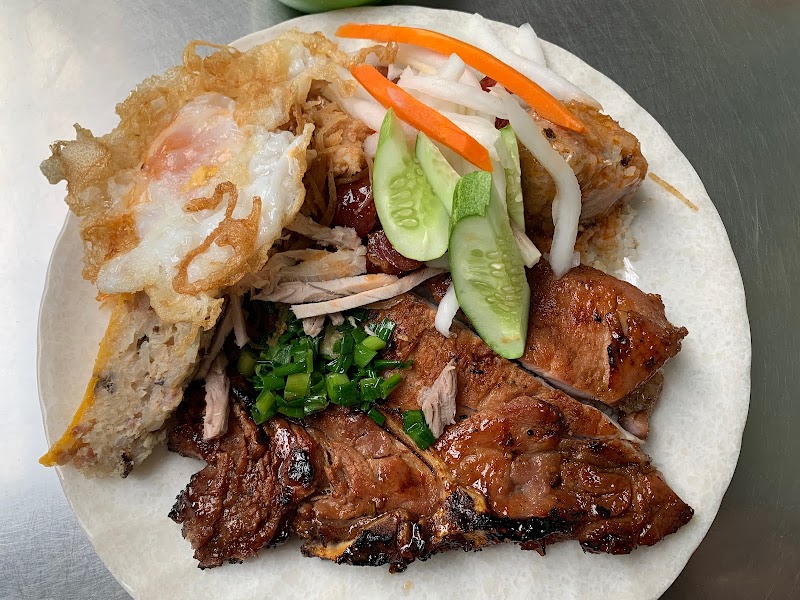
Ho Chi Minh City's street food is louder, more diverse, and significantly more southern in flavor, sweeter broths, more herbs, more chili, more everything. The signature dishes include hủ tiếu(southern noodle soup), bánh xèo (sizzling crepes stuffed with shrimp and bean sprouts), and cơm tấm, broken rice with grilled pork, a dish so beloved it's eaten for breakfast, lunch, and dinner.
Com tam
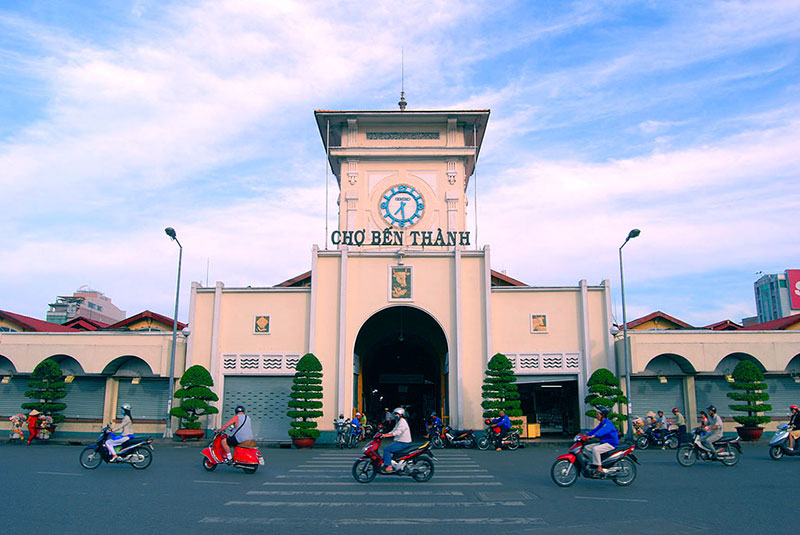
Bến Thành Market and the streets around District 1 and District 4 offer some of the best street food density in Vietnam. But the real locals' scene has shifted to residential neighborhoods in Districts 3, 7, and Bình Thạnh.
Winner for Food Lovers
Dish
Best City
Phở
Hanoi
Bún chả
Hanoi
Chả cá
Hanoi (unique to the north)
Bánh mì
Both (different regional styles)
Cơm tấm
Ho Chi Minh City
Hủ tiếu
Ho Chi Minh City
Bánh xèo
Ho Chi Minh City
International dining
Ho Chi Minh City
Street food variety
Ho Chi Minh City
Traditional/ceremonial food
Hanoi
Verdict: For traditional Vietnamese cuisine at its most refined, Hanoi. For variety, vibrancy, and international options, Ho Chi Minh City. Serious food travelers should visit both.
Attractions & Sightseeing
Top Attractions in Hanoi
The Old Quarter is the obvious starting point, 36 streets, centuries of merchant history, and some of the most interesting street-level architecture in Asia. It rewards slow walking more than organized tours.
Hoan Kiem Lake sits at the heart of the city like a breathing space. In the mornings, elderly locals do tai chi on its banks; on weekends, it's closed to traffic and fills with families. The Ngoc Son Temple on the small island in the lake is worth a visit for the atmosphere alone.
The Temple of Literature (Văn Miếu) is Vietnam's first university, built in 1070. It's one of the best-preserved examples of traditional Vietnamese architecture in the country, and the turtle steles in the courtyard, each inscribed with the names of royal examination graduates, are genuinely moving if you take time to read about them.
Other highlights include the Ho Chi Minh Mausoleum complex, the Vietnam Museum of Ethnology (one of the best museums in Southeast Asia, often overlooked), and the Long Biên Bridge, an old French-built railway bridge over the Red River that doubles as a neighborhood and market.
Top Attractions in Ho Chi Minh City
The War Remnants Museum is essential and difficult. It documents the American War from the Vietnamese perspective, and the photographs are among the most powerful war documentation ever assembled. It's not comfortable viewing, but it's important.
The Reunification Palace (formerly the Presidential Palace) is where the war effectively ended on April 30, 1975, when North Vietnamese tanks rolled through the gates. The building has been preserved almost exactly as it was, the war room in the basement, complete with maps and radio equipment, is extraordinary.
The Reunification Palace
Notre-Dame Cathedral and the Central Post Office sit together in District 1. The post office, designed by Gustave Eiffel's firm, is still a functioning post office and one of the most beautiful colonial-era interiors in Vietnam.
Newer highlights include The Saigon Skydeck at Bitexco Tower, the riverside promenade in District 1, and the emerging art and café culture of District 2 (Thảo Điền).
They're comparable in volume, but different in kind. Hanoi's sightseeing rewards time and curiosity, the city reveals more the longer you stay.
Ho Chi Minh City's major highlights can be covered more efficiently: you can tick off the War Remnants Museum, Reunification Palace, Ben Thanh Market, and a Notre-Dame Cathedral visit in two solid days.
For first-timers with limited time, Ho Chi Minh City is more "efficient" as a sightseeing destination. For travelers who want to wander, get lost, and discover, Hanoi is more rewarding.
War Remnants Museum - Ho Chi Minh City
Nightlife Comparison
Hanoi After Dark
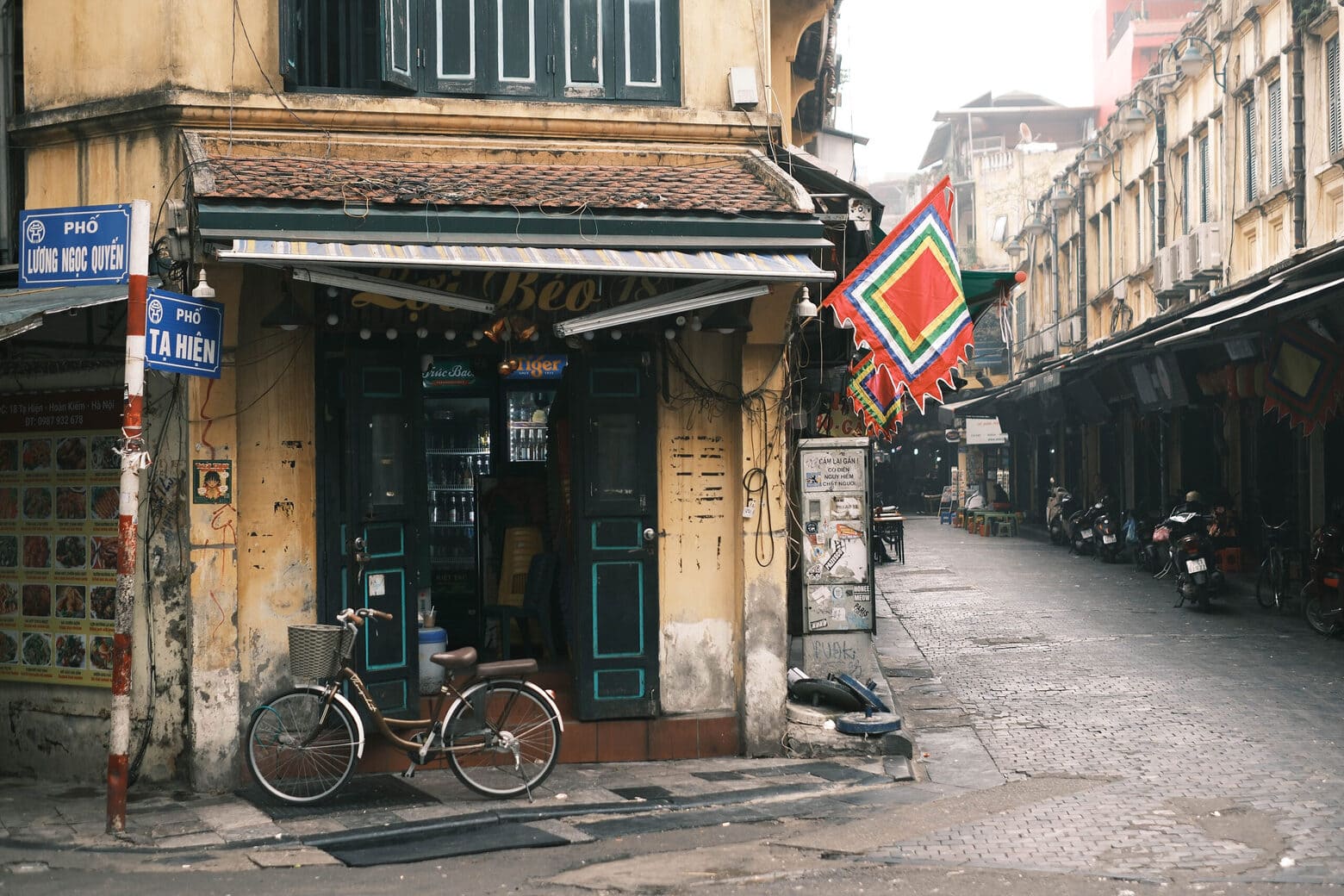
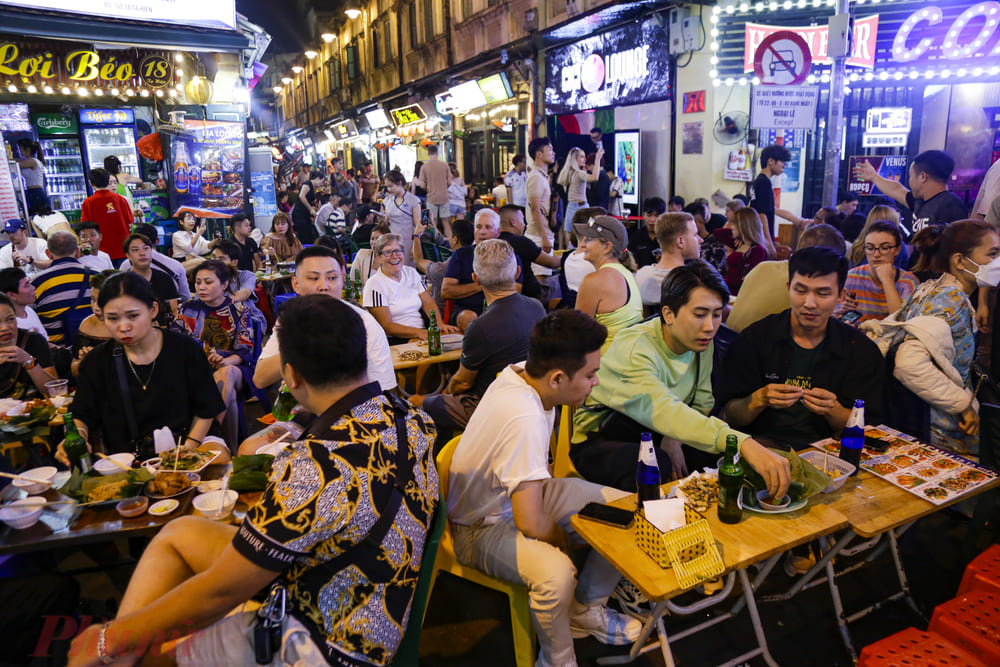
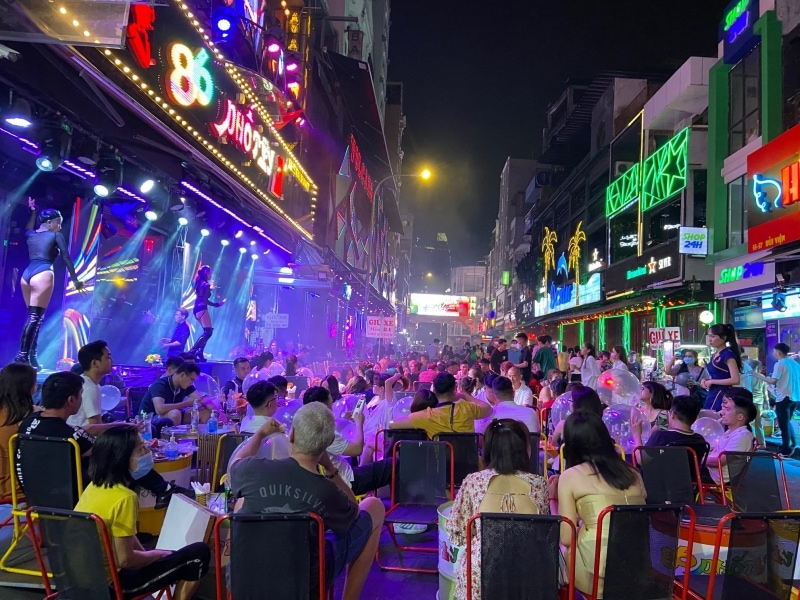
Hanoi's nightlife centers around Ta Hien Street, a narrow lane in the Old Quarter popularly called "Beer Street", where outdoor drinking on plastic stools, cold Bia Hơi (draught beer at roughly 10,000 VND a glass), and loud conversation extend well past midnight on weekends.
Beyond Tạ Hiện, there are excellent bars around the Old Quarter and West Lake, speakeasy-style cocktail bars hidden behind unmarked doors, jazz bars with live music, and rooftop terraces overlooking the lake. But the city quiets down earlier than Saigon, and the energy is more local than international.
Ta Hien beer street
Ho Chi Minh City Nightlife
Saigon doesn't sleep easily. The rooftop bar scene in District 1 is genuinely impressive, Chill Skybar, Social Club, and EON Heli Bar offer views and cocktails that rival any Southeast Asian city. The club scene around Bùi Viện Street (sometimes called "Backpacker Street") runs until well after dawn.
Bùi Viện itself is controversial among travelers, it can feel more like a neon-lit tourist corridor than an authentic local scene, but the surrounding streets have excellent local bars and live music venues.
Rooftop Bars vs Beer Streets
Hanoi wins on authentic local nightlife; Ho Chi Minh City wins on late-night scene, variety, and rooftop experiences.
Best City for Solo Travelers
Ho Chi Minh City is generally easier for solo travelers. It's simpler to meet other travelers, more international in feel, and the hospitality infrastructure (tours, hostels, social bars) is more developed. Hanoi is excellent for solo travel too, but requires a bit more initiative to break through the city's natural reserve.
Discover Your Perfect Vietnam Journey →
Thẻ tour 4818, 4820, 4838
Cost of Travel: Hanoi vs Ho Chi Minh City
Both cities are affordable by international standards. The cost difference between them is real but modest, around 10-15% in favor of Hanoi across most categories.
Accommodation Prices
In Hanoi, budget hostels in the Old Quarter run from $8-15 per night for a dorm bed. A good mid-range hotel (private room, breakfast included, central location) costs $35-70.
Luxury properties, the Sofitel Legend Metropole, La Siesta hotels, start around $150-200.
In Ho Chi Minh City, the same categories run roughly $10-20 (budget), $50-90 (mid-range), and $180+ (luxury).
Food Costs
Street food and local restaurants are similarly priced in both cities, a bowl of pho or bun cha for 40,000-80,000 VND ($1.60-$3), a full local lunch for under 100,000 VND ($4). Mid-range restaurants in Ho Chi Minh City, especially in expat-heavy districts, tend to be pricier than their Hanoi equivalents.
Transportation Costs
Grab (the Southeast Asian equivalent of Uber) is available and affordable in both cities. Hanoi's Old Quarter is walkable enough that you can avoid transport entirely for much of your stay. In Ho Chi Minh City, the city's sprawl means more transport costs, especially if you're moving between districts.
Sample Daily Budget
Budget Type
Hanoi
Ho Chi Minh City
Backpacker
$25–40
$30–45
Mid-range
$60–120
$70–130
Luxury
$180+
$200+
Estimates per person per day, including accommodation, meals, local transport, and 1-2 paid attractions.
Day Trips & Nearby Destinations
From Hanoi
Ha Long Bay is one of the most spectacular natural landscapes on earth, 1,600+ limestone karsts rising from an emerald bay in the Gulf of Tonkin. It's a 3.5-4 hour drive from Hanoi, and virtually every visitor to northern Vietnam makes the trip. A two-day, one-night cruise is the minimum to appreciate it properly.
Ninh Binh, often called "Ha Long Bay on land", is a stunning landscape of rice paddies, limestone cliffs, and ancient temples about 2 hours south of Hanoi. The boat ride through Trang An (a UNESCO World Heritage site) and the view from Hang Mua Peak are among the best day-trip experiences in Vietnam. It's less crowded than Ha Long and in some ways more beautiful.
The tranquil view of Ninh Binh
Sapa in the northern highlands requires an overnight train or early flight, but the terraced rice fields around Fansipan and the villages of the ethnic minority communities (Hmong, Red Dao, Tày) make it one of the most memorable destinations in all of Southeast Asia. Best visited March-May or September-November.
Sapa's hills offer breathtaking views when thousands of cherry apricot trees bloom brilliantly
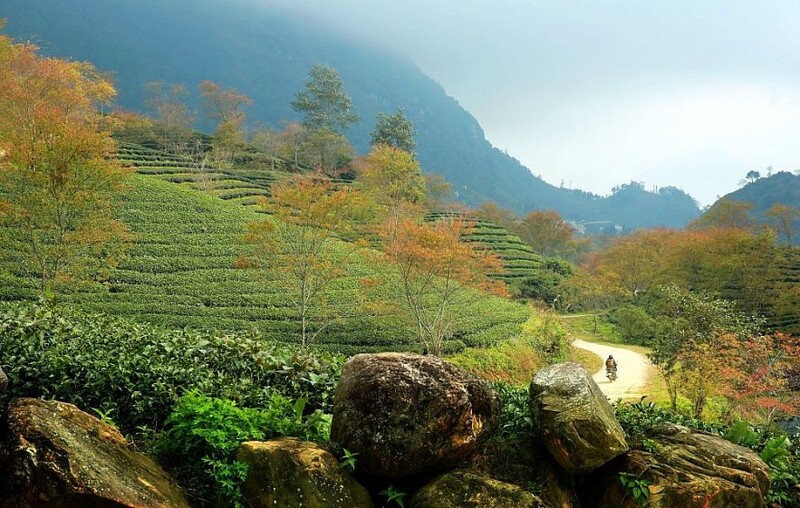
Other northern day trips include Mai Chau(a quiet valley perfect for cycling), Bac Ha (Sunday market, one of the best in the region), and Moc Chau (tea plantations and flower fields in season).
From Ho Chi Minh City
The Mekong Deltais a half-day or full-day trip from Saigon, and it's genuinely unlike anything else in Vietnam, a flat, lush world of river channels, floating markets, and stilted villages where life moves by boat. The most accessible entry point is My Tho or Can Tho (which requires an overnight).
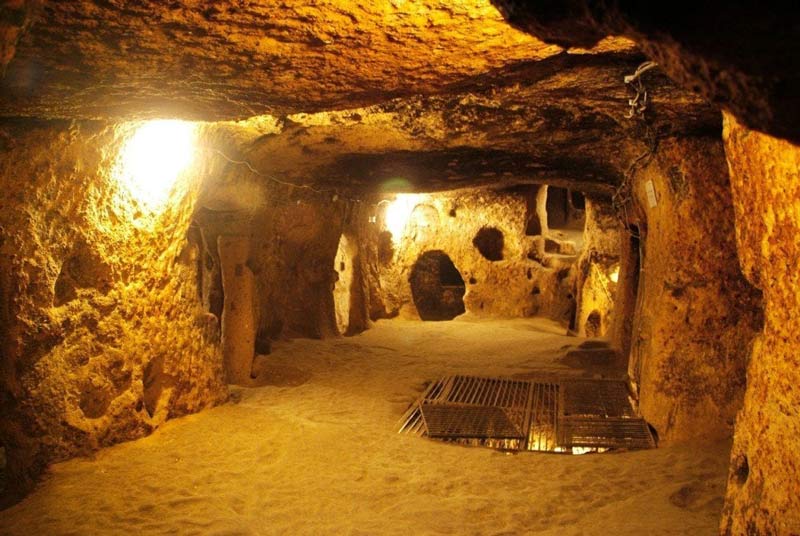
Cu Chi Tunnels, the 250km network of underground tunnels used by Viet Cong fighters during the American War, is an essential historical site and a fascinating (and occasionally claustrophobic) 3-4 hour experience. About 70km northwest of the city.
The inside of Cu Chi tunnel
Vung Tau, a beach city 2 hours away by road or 1.5 hours by ferry, is popular with Saigon locals on weekends. The beaches aren't Vietnam's best, but the seafood is excellent.
Which City Is the Better Base?
Hanoi is the stronger base for extended regional exploration. The northern highlights, Ha Long Bay, Ninh Binh, Sapa, Ha Giang Loop, are among the most extraordinary experiences Vietnam offers, and they all radiate outward from Hanoi.
Ho Chi Minh City's day trips are good, but the city itself is the main event in the south. Travelers who want to explore the Mekong properly, or head to the southern beach destinations (Phu Quoc, Mui Ne, Con Dao), often use Saigon purely as a transit hub.
Weather & Best Time to Visit
Vietnam's geography, long and thin, stretching from 8° to 23° north latitude, means the two cities have genuinely different climates. Planning around weather is worth doing.
Hanoi Seasons
Hanoi has four distinct seasons, which is unusual for Southeast Asia.
Spring (March–April): Mild, often misty, occasional drizzle. Cherry and peach blossoms appear. One of the better times to visit.
Summer (May–August): Hot and humid, with temperatures regularly reaching 38-40°C. Occasional typhoon-related rains in late summer.
Autumn (September–November): The best season. Cooler temperatures (20-28°C), lower humidity, clear skies. September and October are widely considered the optimal time to visit Hanoi.
Winter (December–February): Cool to cold, occasionally dipping to 10-12°C. A light jacket or coat is necessary. The city has an atmosphere unlike any other time of year, mist on the lake, street food stalls doing brisk business.
Ho Chi Minh City Climate
Saigon operates on a simpler two-season tropical system.
Dry season (November–April): Hot and sunny, with temperatures averaging 28-35°C. This is peak tourist season and the most comfortable time to visit.
Wet season (May–October): Heavy afternoon downpours, usually lasting 1-2 hours. Mornings are typically clear. The rain cools the city briefly and then it heats back up. Most travelers find the wet season manageable.
Best Months for Each City
Month
Hanoi
Ho Chi Minh City
Jan–Feb
Cool (Tết festivities)
Excellent (dry, warm)
Mar–Apr
Good (mild spring)
Good (end of dry season)
May–Jun
Hot, humid
Wet season begins
Jul–Aug
Hot, rainy
Wet season
Sep–Oct
Best months
Wet season ending
Nov–Dec
Good (cool, clear)
Best months
The practical implication: if you're visiting Vietnam in November and December, Ho Chi Minh City is at its best while Hanoi is cool but very pleasant. If you're visiting in September and October, Hanoi is spectacular while Saigon is finishing up its wet season.
Neither city is objectively better, they serve different travelers. Hanoi is better for traditional culture, heritage, and northern day trips. Ho Chi Minh City is better for first-time Southeast Asia visitors, nightlife, and those wanting a faster-paced urban experience. The best answer is to visit both if your schedule allows.
Which city is cheaper: Hanoi or Ho Chi Minh City?
Hanoi is marginally cheaper, roughly 10-15% across accommodation, food, and local transport. The difference is noticeable over a week but unlikely to be a deciding factor for most travelers.
Is Hanoi safer than Ho Chi Minh City?
Both cities are generally safe for tourists by Southeast Asian standards. Petty theft (phone snatching from motorbikes, bag grabs) is more commonly reported in Ho Chi Minh City, particularly in District 1 tourist areas. Hanoi has its share of tourist-focused scams, particularly in the Old Quarter, but violent crime against tourists is rare in both cities.
Which city has better food?
For traditional Vietnamese cuisine, Hanoi. For variety, diversity, and international dining, Ho Chi Minh City. Serious food travelers will want to spend meaningful time in both, the northern and southern food cultures are distinct enough that visiting only one gives you an incomplete picture of Vietnamese cuisine.
How many days do you need in Hanoi?
A minimum of 3 days to see the main highlights and eat well. Five to seven days is ideal if you want to include a day trip to Ninh Binh or Ha Long Bay. Allow more time if you're planning an overnight cruise or a trip to Sapa.
How many days do you need in Ho Chi Minh City?
Two to three days covers the major sights. Add another day or two for a Mekong Delta or Cu Chi Tunnels excursion. The city itself doesn't demand as much time as Hanoi, the attractions are more concentrated and navigable.
Which city should first-time visitors choose?
For absolute first-timers to Southeast Asia, Ho Chi Minh City is slightly easier to navigate, more internationally connected, and offers a gentler introduction to Vietnam's energy. For travelers who've been to Bangkok or Bali before and want something with more cultural texture, Hanoi is the more rewarding choice.
So: Hanoi or Ho Chi Minh City? Here's My Honest Answer
After years of guiding travelers through both cities, this is what I've come to believe:
Choose Hanoi if you:
Want to experience traditional Vietnamese culture at its most intact
Are coming for the northern landscapes (Ha Long Bay, Ninh Binh, Sapa are all non-negotiable)
Prefer a slower pace and don't need constant stimulation
Are a serious food traveler who wants to understand northern Vietnamese cuisine
Have been to Southeast Asia before and want something layered and complex
Choose Ho Chi Minh City if you:
Are visiting Vietnam or Southeast Asia for the first time
Have limited time and want to cover ground efficiently
Want excellent nightlife and a modern urban experience
Are heading south toward the beaches or the Mekong Delta
Travel for connection and sociability rather than solitary exploration
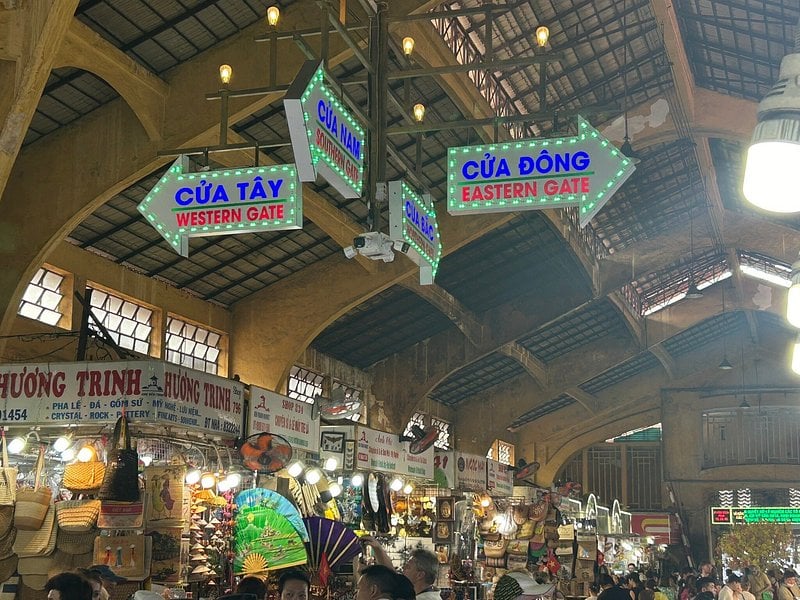
Four entrances to Ben Thanh Market
Visit both if you:
Have ten days or more in Vietnam
Are trying to understand the country rather than just tick off sights
Are a food traveler who doesn't want to choose between pho and cơm tấm
Want to see a country in productive tension with itself
Here's the truth I've shared with hundreds of travelers who were in your position, weighing these two cities over a map: Vietnam is big enough and different enough that one city can't represent it. Hanoi and Ho Chi Minh City aren't just two stops on a trip, they're two fundamentally different versions of the same country. The north shaped Vietnam's history; the south is shaping its future. If you can, see both. If you must choose, choose the version of Vietnam you've been dreaming about. Either way, you'll want to come back.
Planning your trip?
Save time and get expert advice for FREE!
✅ 15 years of local experience
✅ Save up to 40 hours of planning
✅ Travel stress-free from start to finish
Book your free consultation today!






 Our team
 Our team
 Our team
 Our team

.jpg)

.jpg)
.jpg)





 Other
Other Add us as a preferred source