Quang Binh Travel Guide: Vietnam's Cave Capital (2026)
If you've been traveling Vietnam for a while, or even if this is your first trip, Quang Binh has a way of stopping you in your tracks. After two decades of guiding travelers through Southeast Asia, I still consider this province one of the most underrated destinations on the entire continent. Most tourists rush between Hanoi and Hoi An, skipping right over a region that holds the world's largest cave, some of the most spectacular karst scenery on Earth, and a quieter, more authentic Vietnam that's getting harder to find.
Written by Trang Nguyen (Local Expert)
Updated on Jun 09, 2026
0 comment
Trang Nguyen has lived in Vietnam for nearly three decades and spent much of her life exploring Asia. She has joined numerous field trips, stayed with ethnic communities in the northern mountains, and gained deep insights into local cultures and landscapes. Her writing reflects an honest passion for authentic travel and meaningful connections. If you have any questions about her journeys, feel free to reach out and leave a comment!
Where it is: Central Vietnam, roughly halfway between Hanoi and Ho Chi Minh City, bordering Laos to the west
How to get here: Fly into Dong Hoi Airport, take the train (great connections from Hanoi, Hue, Da Nang), or hop on a sleeper bus
What to do: Explore world-class caves (Phong Nha, Paradise, Dark Cave, Son Doong), swim at Nhat Le Beach, visit Duck stop Phong Nha, kayak Mooc Spring, eat incredible local food
How long to stay: 2–3 days minimum; 4–5 days if you want to do it properly
Best time to visit: March to August for dry, cave-friendly conditions, avoid September to November if possible due to flooding risk
Budget tip: Phong Nha village is the best base, cheap, charming, and right next to everything
Where Is Quang Binh?
Quang Binh on the Vietnam Map
Quang Binh is a coastal province in central Vietnam, sandwiched between Ha Tinh province to the north and Quang Tri to the south. It sits at a geographic crossroads, the Truong Son mountain range pushes close to the coast here, creating a narrow strip of land squeezed between dramatic limestone karsts and the East Sea.
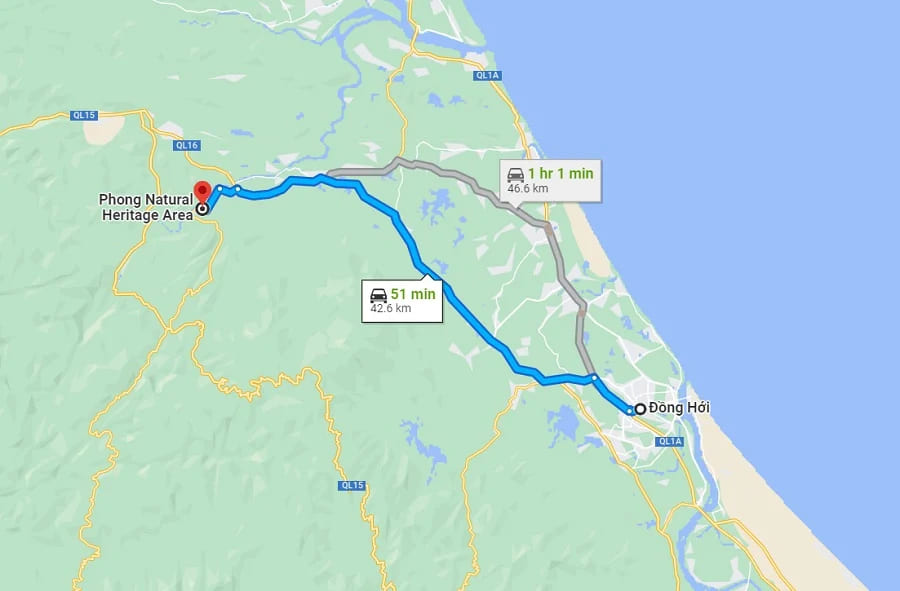
The two main travel hubs are Dong Hoi, the provincial capital and transport gateway, and Phong Nha, a small village about 50 km northwest that serves as the jumping-off point for most cave adventures. Almost all of the headline attractions are clustered within or near Phong Nha-Ke Bang National Park, a UNESCO World Heritage Site covering over 123,000 hectares of largely pristine forest.
Quang Binh vs. Phong Nha: What's the Difference?
Simply put: Quang Binh is the province; Phong Nha is the destination within it. When people say "I'm going to Phong Nha," they usually mean the village and national park area. When you read about "Quang Binh," that includes Phong Nha plus Dong Hoi, the beaches, and the broader region.
Is Quang Binh Worth Visiting?
In my two decades leading tours through Vietnam, I've watched Quang Binh transform from a stop almost nobody made into one of the country's most exciting destinations. It's still not overcrowded. That's the miracle of it.
Quang Binh Is Perfect For:
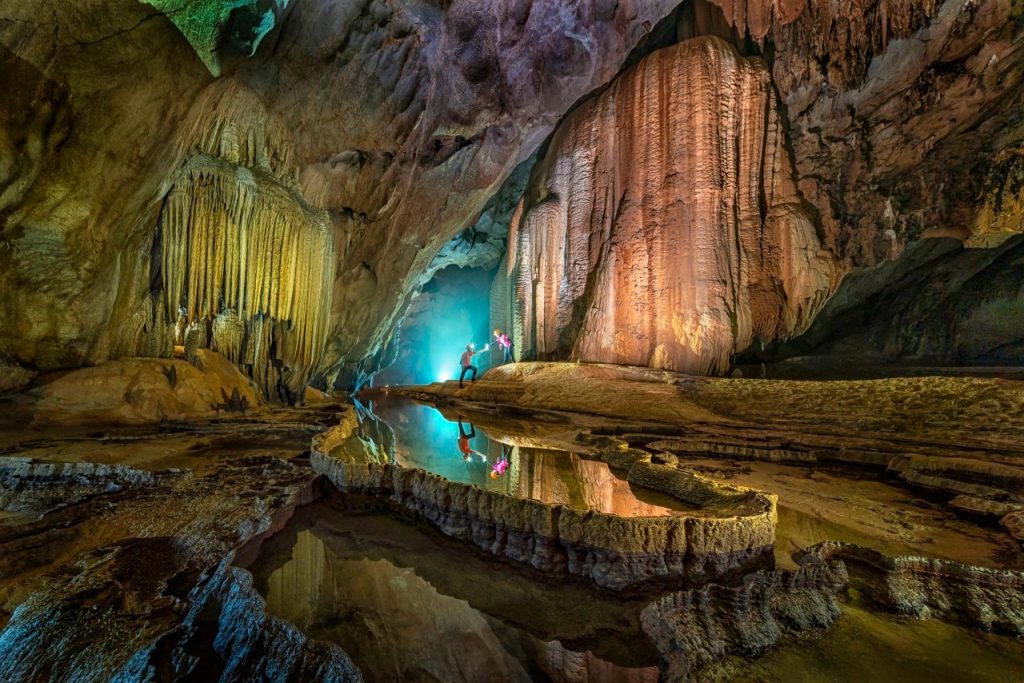
Cave lovers. This is the obvious one. Phong Nha-Ke Bang contains over 300 surveyed caves and grottos, including Son Doong, the largest cave on the planet. There is nowhere else on Earth quite like this.
Adventure travelers. Ziplines, mud baths, multi-day jungle treks, river kayaking, the activity options here rival anything in Southeast Asia.
Nature trips. The national park's primary jungle is home to rare wildlife, including primates, clouded leopards, and over 800 plant species. Even a gentle river cruise gives you scenery that feels genuinely wild.
Beach breaks. Dong Hoi's Nhat Le Beach is one of central Vietnam's most relaxed stretches of sand, long, clean, and far less developed than the beaches further south.
Off-the-beaten-path Vietnam.
Who Might Want to Skip It:
If you only have 7 days in Vietnam and are covering the classic north-to-south route, Quang Binh is a tough add, it's a detour that rewards time.
Best Things to Do in Quang Binh
1. Explore Phong Nha Cave
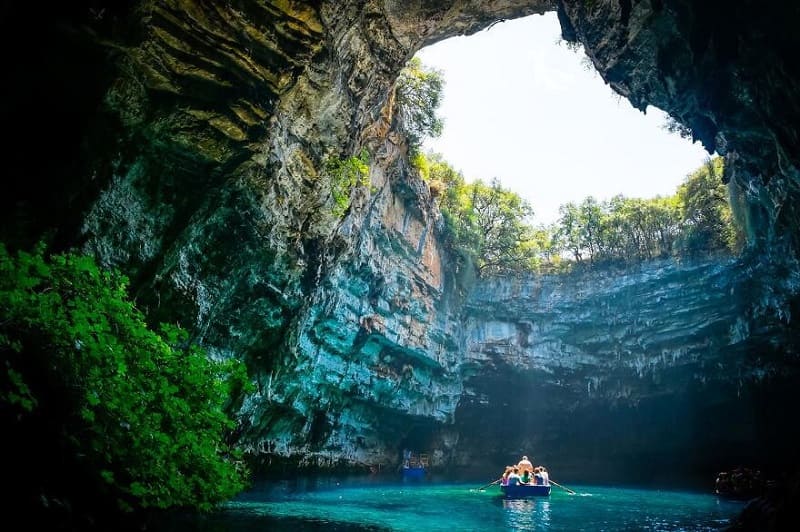
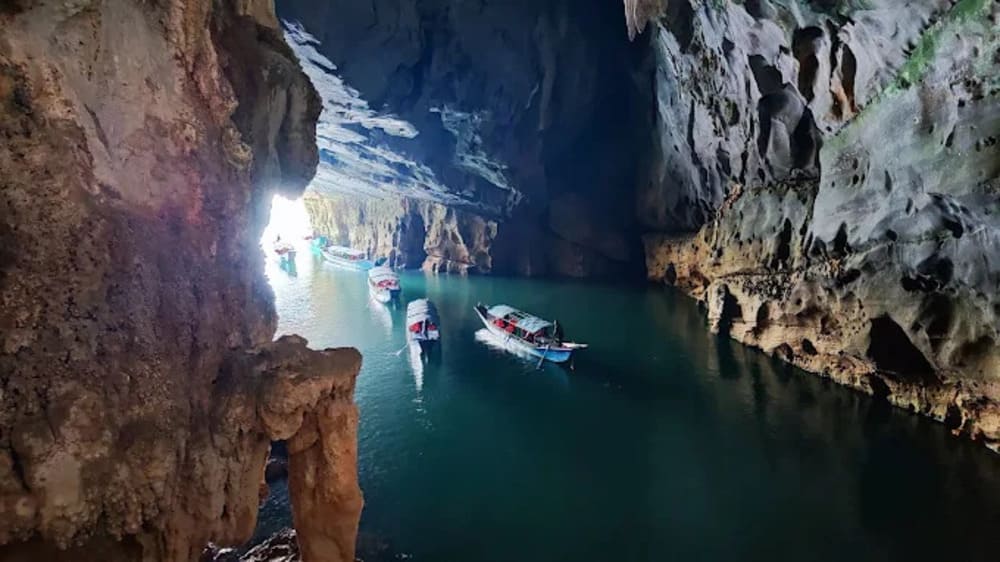
This is where most people start, and for good reason. Phong Nha Cave is reached entirely by boat, a 30-minute dragon boat ride along the Son River takes you into the cave mouth, where the boatman navigates by torchlight through chambers filled with stalactites and stalagmites that have been forming for millions of years.
The cave extends about 7.7 km into the mountain, though tourist boats typically cover the most impressive first kilometer or two.
Best for: First-timers, families, anyone wanting a low-effort introduction to the area
Phong Nha cave has spectacular stalagmites and stalactites
2. Visit Paradise Cave (Thien Duong Cave)
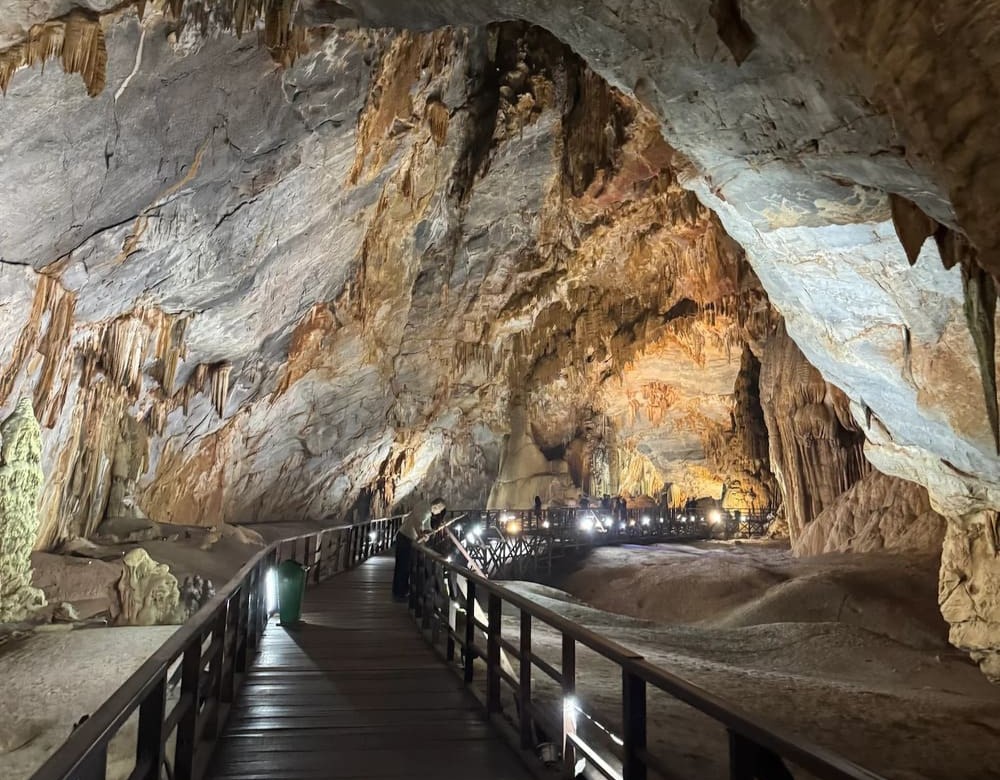
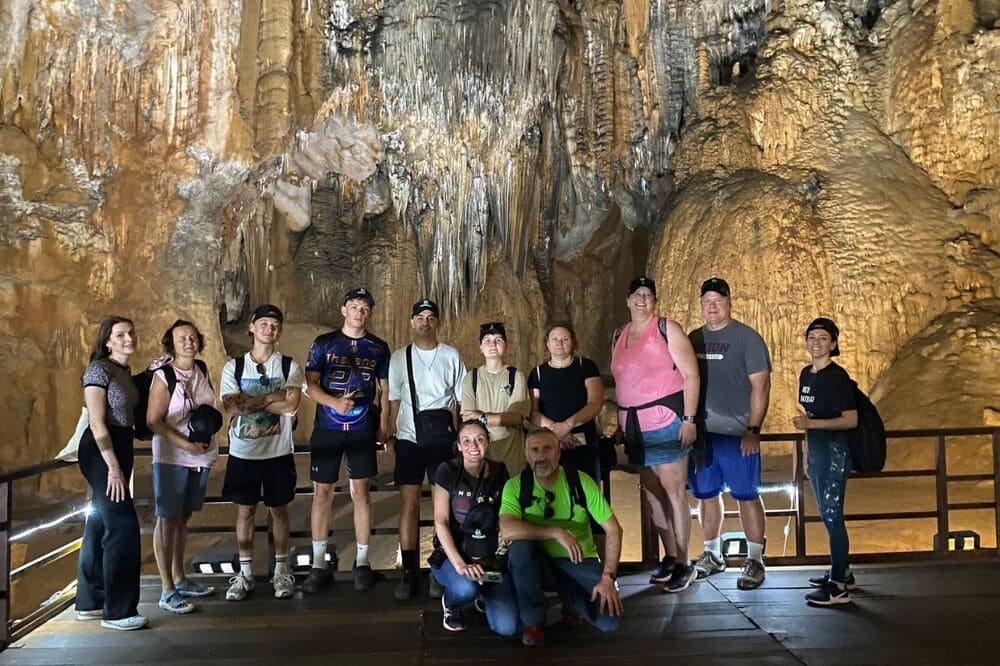
Discovered in 2005 and opened to tourists in 2010, it stretches for a staggering 31 km, making it one of the longest dry caves in Asia. The first kilometer, accessible via well-maintained wooden boardwalks, is open to all visitors and is enough to render most people speechless.
The scale is almost architectural. Columns of calcite rise 30–40 meters from the cave floor; the formations are pristine, the lighting carefully done. My traveler put it best: "Once you've seen this one, you won't have to see another cave for the rest of your life."
Columns of calcite rise 30–40 meters from the cave floor
Best for: Anyone who visits, this is the standout attraction
Time needed: Half day
3. Try Dark Cave (Hang Toi)
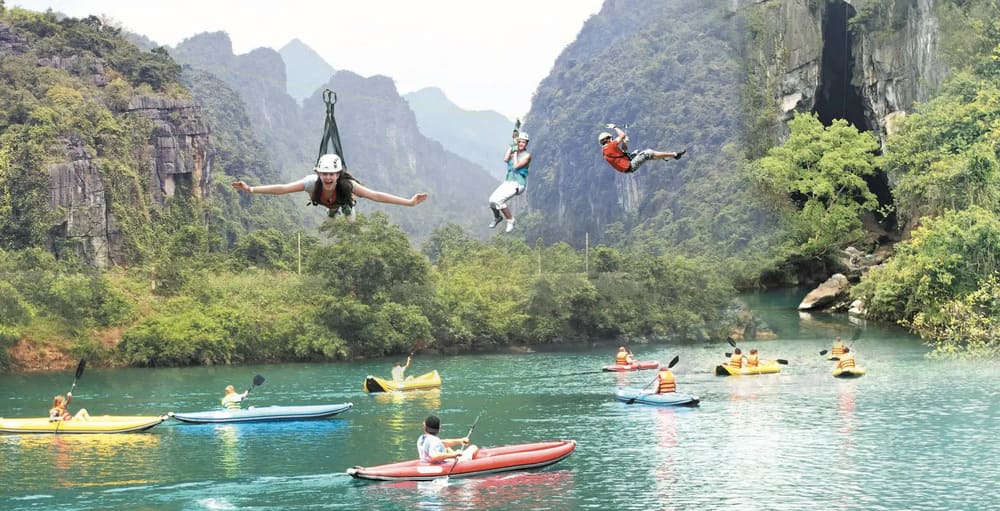
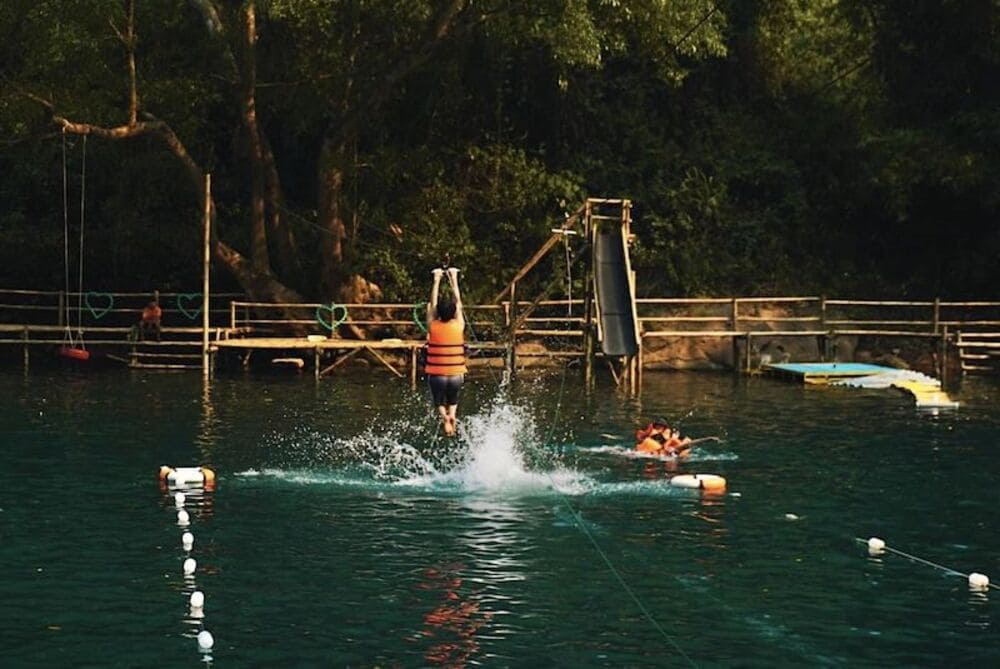
The experience starts with a zipline across the Chay River, then involves swimming into the cave, wading through neck-deep water, and ending in a mud bath that locals swear has mineral properties for the skin. Kayaking back out completes the loop.
Best for: Active travelers, groups, anyone who wants more than scenery
Time needed: Half day
4. See Son Doong Cave
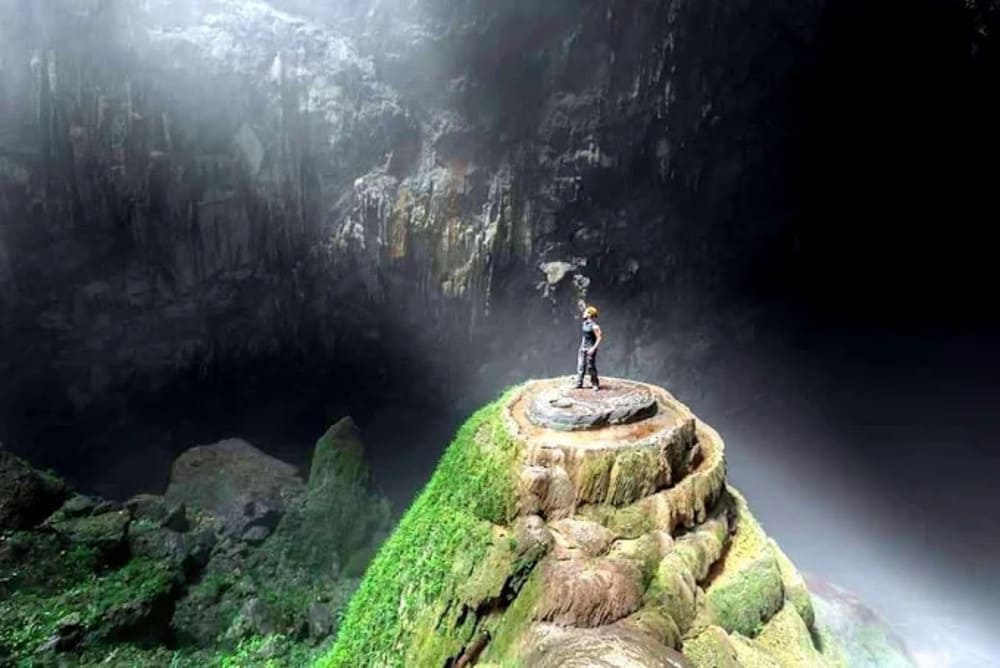
The largest cave in the world by volume, large enough to contain a 40-story skyscraper, with its own weather system and jungle growing inside, Son Doong is one of those rare places that genuinely exceeds expectations.
Son Doong cave, the largest cave in the world by volume
However, the access is strictly controlled. Only one tour operator (Oxalis) runs expeditions, limited to around 1,000 visitors per year. The 4-day trek costs approximately $4,000 USD per person. Permits sell out months, sometimes years, in advance.
If it's on your bucket list, start planning at least 12 months ahead. If the price or logistics are a barrier, Hang En Cave, a 2-day trek through primary jungle ending in a cathedral-sized cave with a river beach inside, offers a taste of that Son Doong magic at a fraction of the cost.
Best for: Serious adventurers and bucket-list travelers
Time needed: 4–6 days (Son Doong); 2 days (Hang En)
5. Visit The Duck Stop
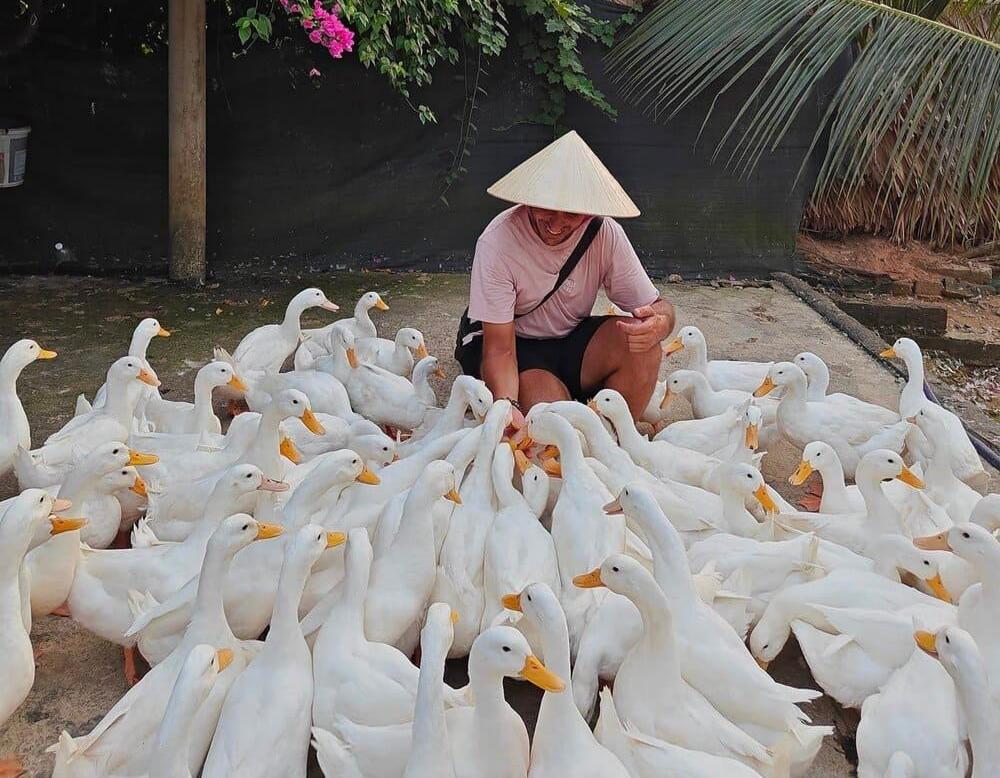
One of Phong Nha’s most unexpectedly entertaining local experiences. You can feed and guide a flock of ducks across the yard, ride a water buffalo, and try traditional countryside activities while interacting with a local farming family.
You'll become the leader!
Best for: Families, groups of friends, travelers looking for lighthearted local experiences
Time needed: 1 to 3 hours
6. Relax at Nhat Le Beach
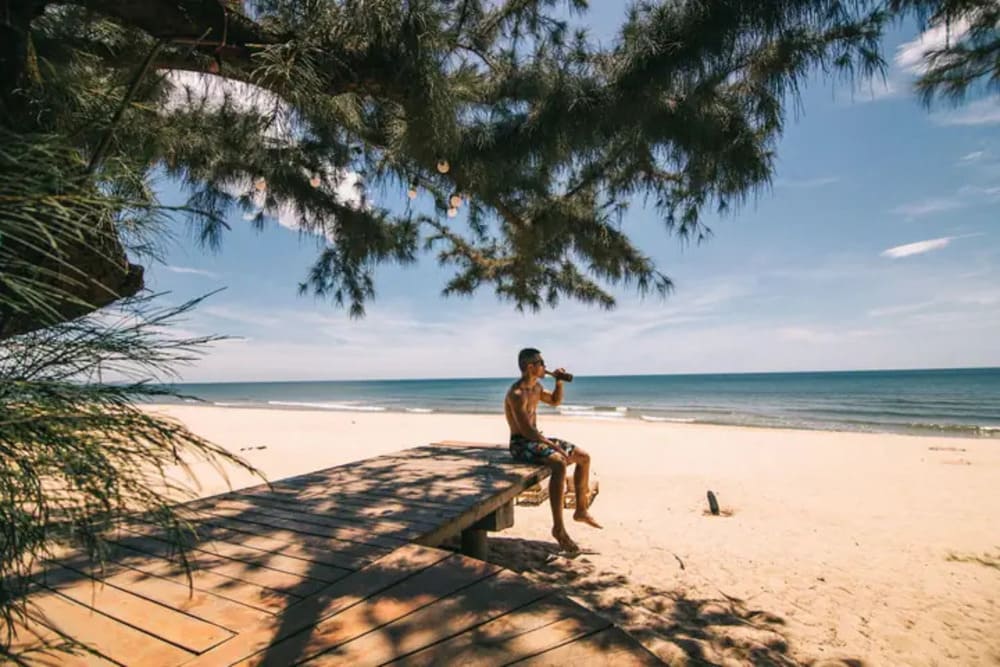
Dong Hoi's main beach stretches for kilometers along the coast, backed by low dunes and a handful of seafood restaurants.
It's uncrowded by Vietnamese standards, clean, and has good waves for swimming from March through August.
It's uncrowded by Vietnamese standards, clean, and has good waves for swimming from March through August.
Best for: Beach days, families, evening meals
Time needed: Half day to full day
7. Visit Mooc Spring and Chay River
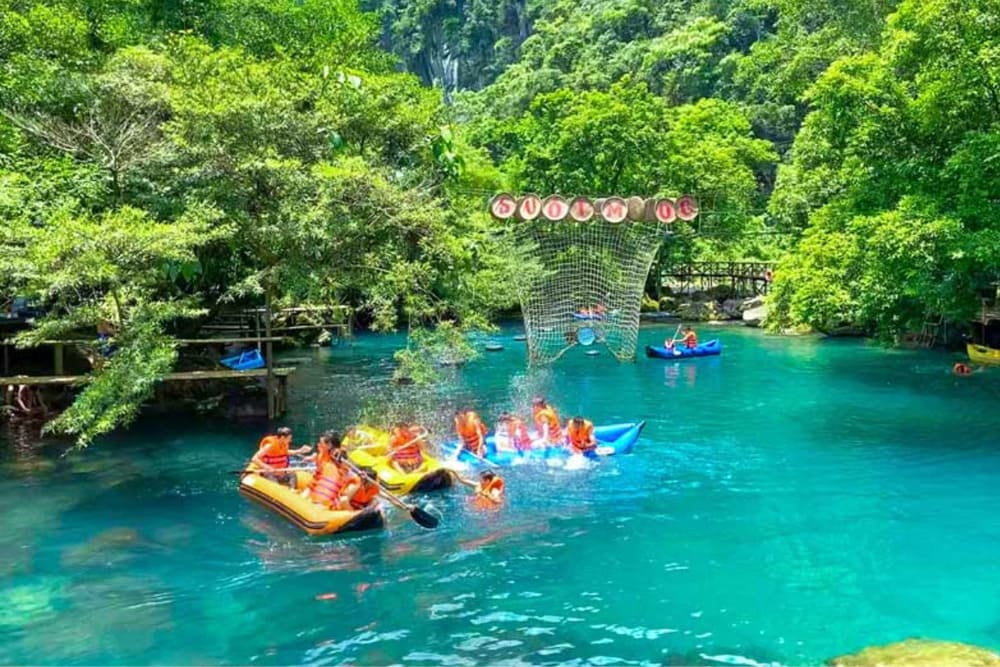
Mooc Eco-Tourism Area is one of those spots that doesn't photograph well but is wonderful in person. A natural spring feeds a series of clear pools surrounded by jungle; you can swim, swing from ropes, and wade upstream.
The Chay River nearby is ideal for kayaking, calm waters, forested banks, dramatic karst formations rising on either side.
Best for: Nature lovers, slow travelers, hot days
Time needed: Half day each
8. Eat the Local Specialties
Quang Binh's food scene is genuinely excellent and almost completely unknown outside Vietnam. After years of eating my way through this country, the local cuisine here is one of the most underrated in the nation.
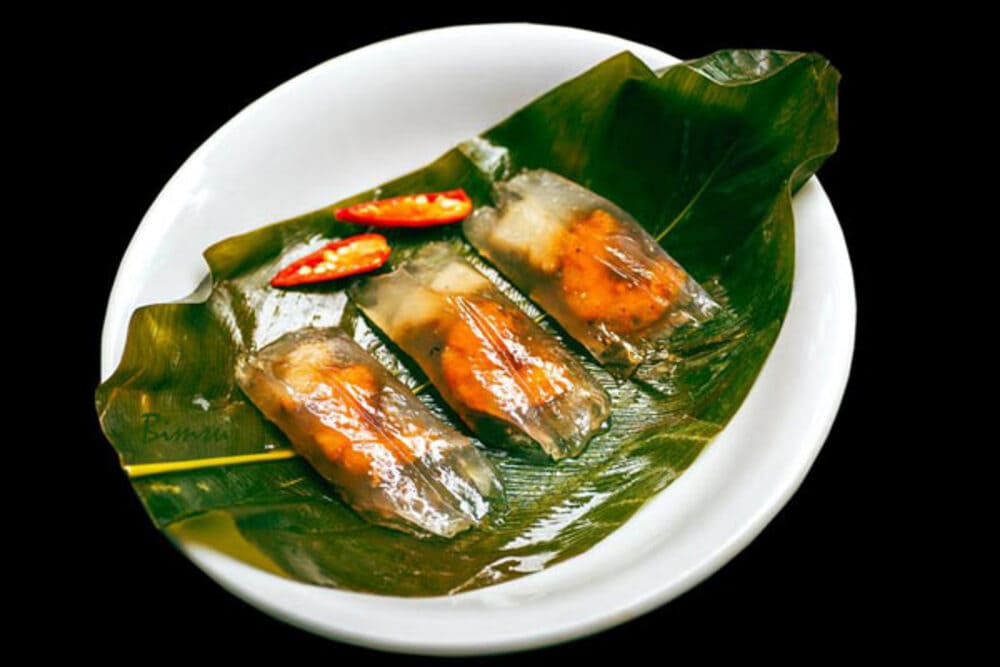
Banh bot loc Quang Binh
Don't leave without trying:
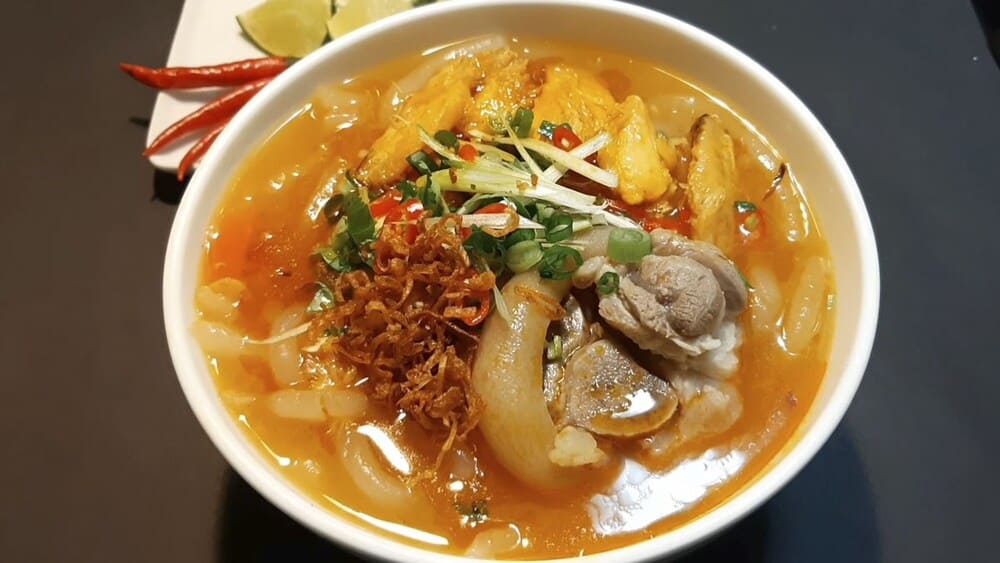
Cháo canh, a thick, hearty rice porridge with pork or shrimp, seasoned with pepper and herbs. The definitive Quang Binh breakfast.
Bánh bột lọc, small, chewy tapioca dumplings filled with shrimp and pork, wrapped in banana leaves. Intensely savory and deeply satisfying.
Khoai deo, dried sweet potato strips, a local snack and popular souvenir. Subtly sweet, slightly chewy, and completely addictive.
Seafood in Dong Hoi, the coastal market near Nhat Le serves spectacularly fresh squid, clams, and fish, grilled over charcoal and eaten at plastic tables beside the sea.
Grilled river fish in Phong Nha, the village restaurants along the Son River serve whole fish, marinated with lemongrass and chili, grilled to order. Simple, local, and delicious.
Cháo canh, a thick, hearty rice porridge with pork or shrimp
Best Quang Binh Caves Compared
Cave
Best For
Difficulty
Time Needed
Phong Nha Cave
First-timers, families
Easy
Half day
Paradise Cave
Everyone, don't miss it
Easy
Half day
Dark Cave
Fun activities, groups
Medium
Half day
Hang En
Adventure, nature immersion
Hard
2 days
Son Doong
Bucket list expeditions
Very hard
4–6 days
Be the part of the Quang Binh trip with us today:
Thẻ tour 10313, 5573, 5585, 4822
Best Time to Visit Quang Binh
Season
Months
Pros
Cons
Dry season
Mar–Aug
Best conditions for caves and beaches
Hot June–August, can be 38°C+
Rainy season
Sep–Nov
Lush and green; fewer crowds
Flood risk; some caves close
Cool season
Dec–Feb
Comfortable temperatures
Less ideal for beach; occasional cave closures after heavy rain
My honest recommendation: Come between March and May if you can. The dry season is underway, temperatures are warm but not brutal, the jungle is lush from the tail end of the rains, and tourist numbers haven't peaked. This is when the region is at its most beautiful and most comfortable.
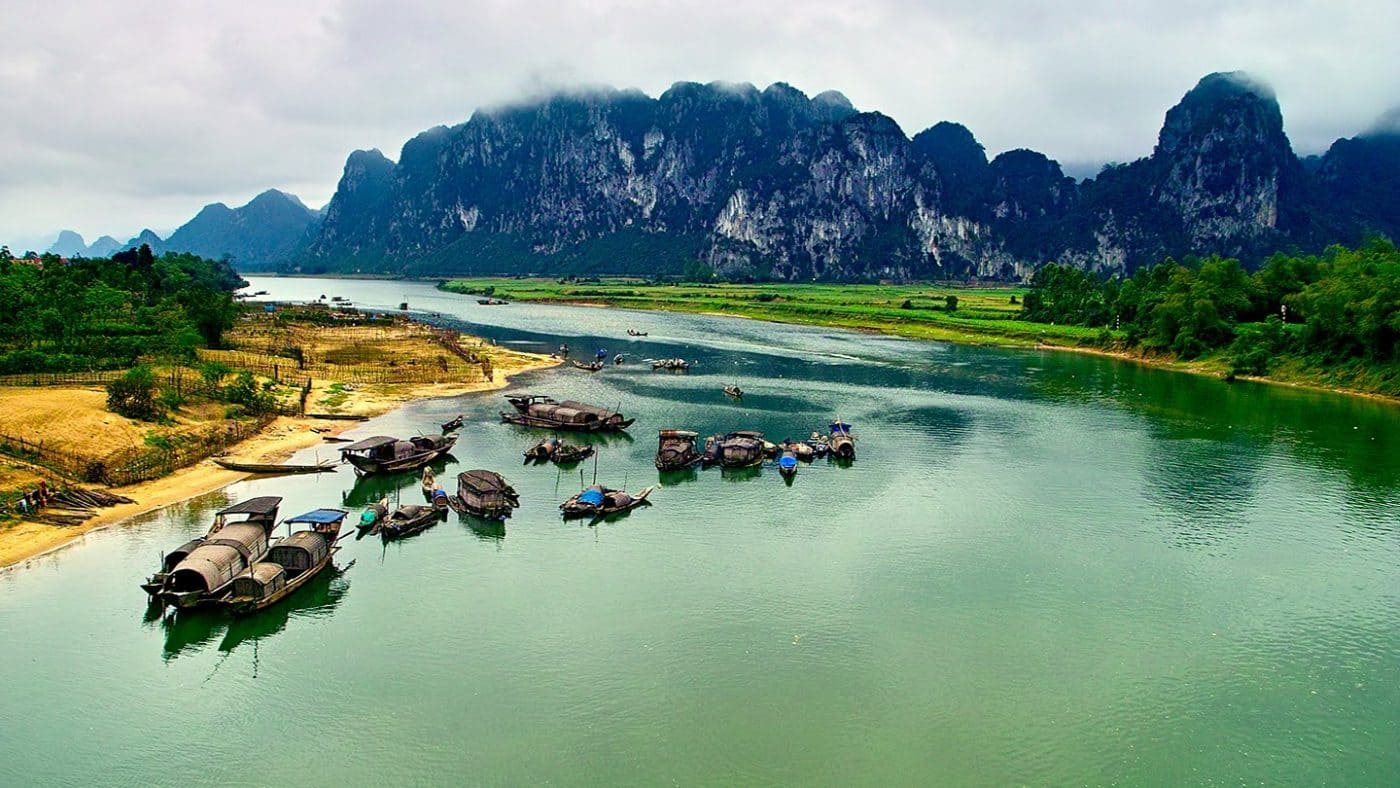
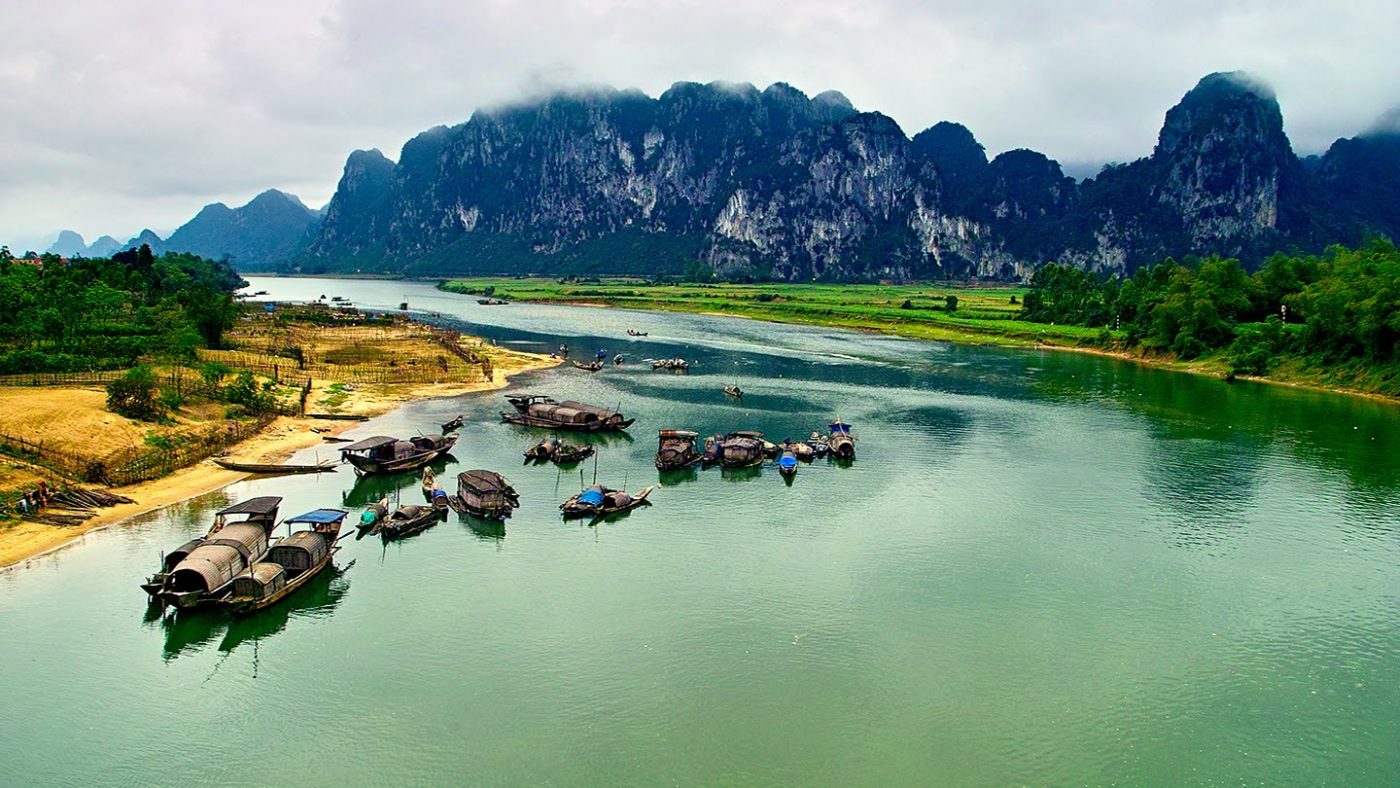
Gianh river, Quang Binh
How to Get to Quang Binh
By Plane
Dong Hoi Airport (VDH) receives domestic flights from Hanoi, Ho Chi Minh City, and Da Nang. Flight time from Hanoi is about 1 hour 15 minutes.
This is the fastest option and worth the modest extra cost if your time is limited.
From the airport, Dong Hoi city center is about 5 km away; Phong Nha village is roughly 50 km northwest, a 60–75 minute drive by taxi or private transfer.
By Train
Journey times: approximately 9–10 hours from Hanoi, 3–4 hours from Hue, 6–7 hours from Da Nang. Overnight sleeper trains make the Hanoi–Dong Hoi and HCMC–Dong Hoi legs perfectly comfortable.
By Sleeper Bus
Budget travelers often arrive by open-tour sleeper bus, which connects Quang Binh to Hanoi, Ninh Binh, Hue, and Da Nang.
The trade-off is comfort and time: sleeper buses are cheaper but slower and less reliable than trains.
Dong Hoi to Phong Nha
This 50 km stretch is the final leg, and there are several options:
Private transfer, approximately 300,000–400,000 VND, bookable through your hotel or guesthouse.
Shared shuttle, most Phong Nha guesthouses run or coordinate shared minibus shuttles timed to train and flight arrivals.
Motorbike taxi (xe ôm) or self-drive, experienced riders can rent a motorbike in Dong Hoi and enjoy one of Vietnam's prettier country roads.
The route follows the Son River valley through rice paddies and karst scenery.
Where to Stay in Quang Binh
Stay in Phong Nha
For first-time visitors, Phong Nha village is the obvious choice.
It puts you within minutes of the caves and national park, and the village itself has grown into a charming backpacker hub with good guesthouses, a handful of excellent restaurants, and a community feel that bigger destinations have lost.
Accommodation ranges from budget guesthouses ($15–$25 VND/night) to comfortable boutique hotels and homestays.
Stay in Dong Hoi
Choose Dong Hoi if you're arriving late, leaving early, want beach access, or prefer city amenities.
The train station and airport are both here, accommodation is plentiful at all price points, and the coastal location gives you options for seafood evenings and morning beach walks. It's also a better base for day trips that don't involve the national park.
Area
Best For
Travel Style
Phong Nha
Caves, nature, community
Backpacker, adventure traveler
Dong Hoi
Beach, transport links, city feel
Families, short-stay visitors
Suggested Quang Binh Itinerary
1 Day in Quang Binh
Tight on time? Hit Paradise Cave in the morning (the standout attraction) and Phong Nha Cave in the afternoon. Both are easy, guided half-day experiences that can technically be combined into a single long day if you arrive early.
My local guide recommendation: get there by 8–9am, and you'll avoid queues and have the caves at their most atmospheric before tour groups arrive.
2 Days in Quang Binh
Day 1: Morning at Paradise Cave, afternoon boat tour of Phong Nha Cave. Dinner in Phong Nha village.
Day 2: Dark Cave in the morning (zipline, mud bath, kayak) followed by a lazy afternoon at Mooc Spring or a river kayak on the Chay River.
3 Days in Quang Binh
Add a full day in Dong Hoi: morning at Nhat Le Beach, afternoon exploring the city market, evening at a coastal seafood restaurant.
4–5 Days in Quang Binh
With four or five days, you can consider a Hang En Cave overnight trek (2 days), an additional jungle hike inside the national park, or a slow morning renting a bicycle and cycling the country roads around Phong Nha village.
This pace, unhurried, exploratory, is when Quang Binh reveals its deepest rewards. I've guided travelers who arrived planning two days and ended up staying a week.
With four or five days, you can consider a Hang En Cave overnight trek
Local Tips Before You Go
Book Cave Tours Early
Son Doong expeditions require booking 12+ (or even 24+) months in advance. Hang En treks are limited and sell out during peak season.
Even standard Dark Cave and Paradise Cave combo tours get full in June and July. If Quang Binh is a priority on your trip, sort cave bookings before you finalize flights and accommodation.
Check Weather Before Cave Trips
The limestone cave systems of Phong Nha-Ke Bang are intimately connected to the water table. After heavy rain, rivers rise inside caves and access gets restricted, sometimes dramatically.
Bring Water Shoes and a Dry Bag
Water shoes (or old trainers you don't mind ruining) are essential for Dark Cave, Mooc Spring, and any river activity.
A dry bag keeps your phone, documents, and spare clothes safe during boat trips and kayaking. Pack them in your day bag, you'll use them constantly.
Respect the Environment
Phong Nha-Ke Bang is a UNESCO World Heritage Site and one of the most ecologically sensitive areas in Southeast Asia. The cave formations you'll see took millions of years to form. Stay on marked paths, don't touch the stalactites or stalagmites, take your rubbish with you, and follow your guide's instructions.
Final Thoughts
Quang Binh is one of those destinations where the reality exceeds the description. You can read about the world's largest cave, look at photographs of limestone cathedrals lit by torchlight, browse reviews raving about "otherworldly" formations, and still find yourself standing inside Paradise Cave thinking: nothing prepared me for this.
The province is accessible enough to visit independently but rewarding enough to justify slowing down. Come for the caves, stay for the food, the rivers, the karst-framed sunsets from Phong Nha village, and the rare pleasure of being somewhere that still has space to breathe.
Two decades of travel advice distilled: don't skip Quang Binh.
Planning your trip?
Save time and get expert advice for FREE!
✅ 15 years of local experience
✅ Save up to 40 hours of planning
✅ Travel stress-free from start to finish
Book your free consultation today!






 Our team
 Our team
 Our team
 Our team

.jpg)
.jpg)
.jpg)
.jpg)
.png)


 Other
Other Add us as a preferred source