TL;DR
- Daytime temperatures typically range between 5°C and 15°C in Sapa during January.
- Night temperatures can drop to near freezing or below, occasionally falling to 0°C–3°C.
- January is the driest month of the year, with very low rainfall but frequent fog and mist.
- Snow or frost is possible, particularly on the upper slopes of Fansipan and along the higher ridgelines.
What is Sapa’s January Weather Like?
January is the coldest month of the year in Sa Pa, sitting deep in the dry, cool season that settles over Vietnam’s northern highlands from November through February.
Daytime temperatures typically reach 10°C–15°C on clear days, though persistent fog and cloud cover can hold temperatures closer to 5°C–8°C for days at a time.
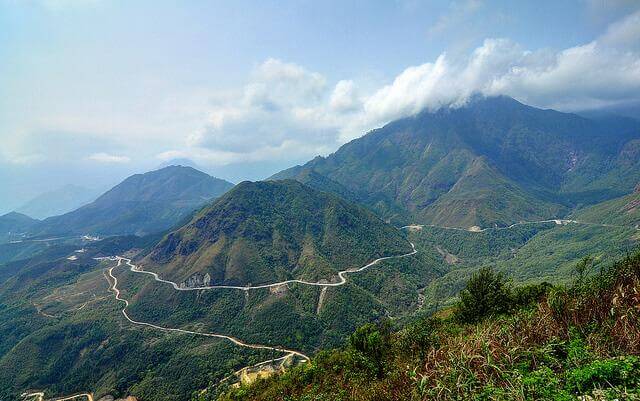
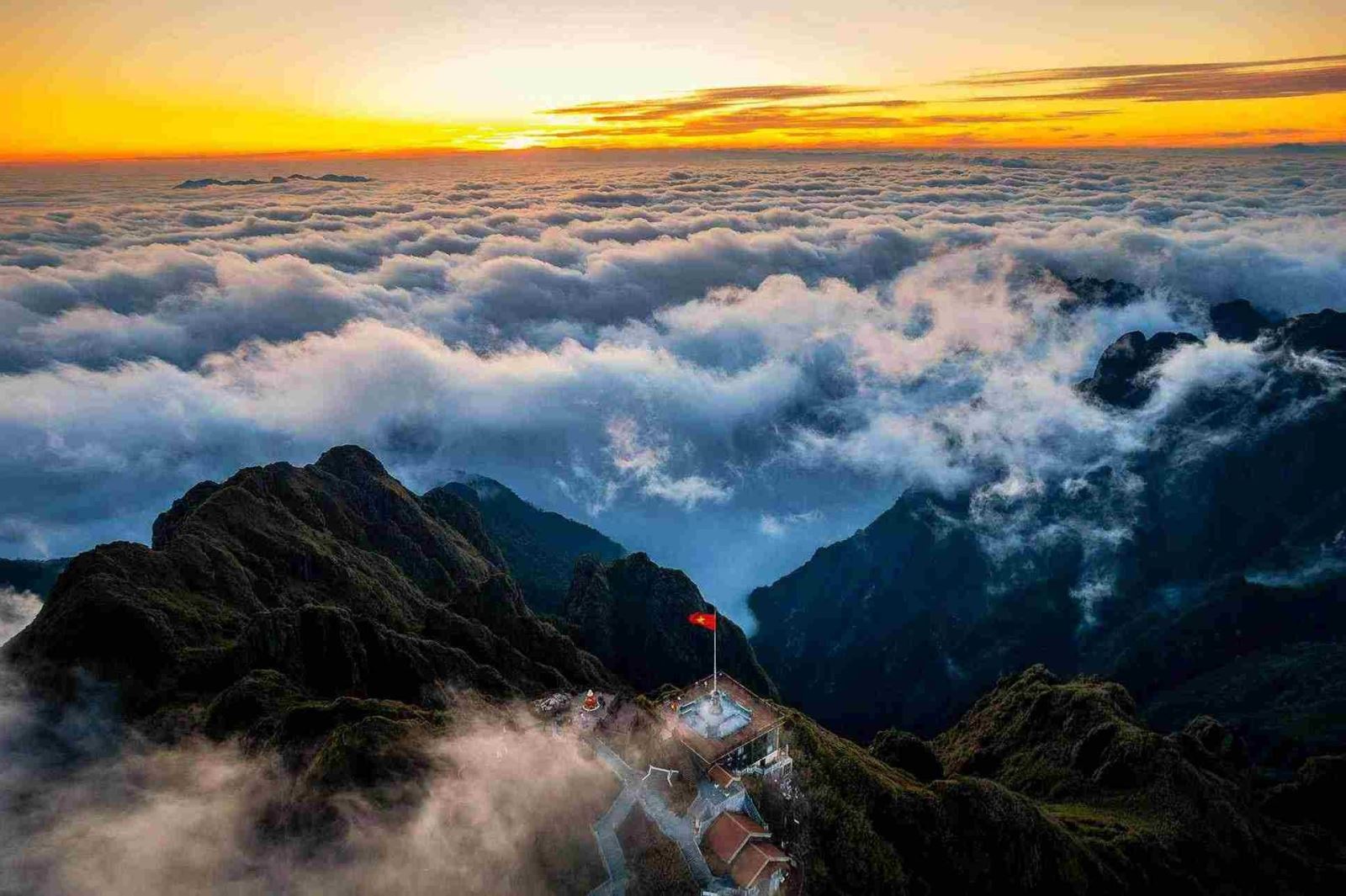
Mornings in January are often blanketed in thick, low cloud that fills the valleys and clings to the terraced hillsides, creating a layered, atmospheric landscape. By midday, these clouds sometimes lift to reveal crisp mountain scenery and wide winter skies.
(1).jpg)
It is a month of dramatic contrasts: quiet, cold, and hauntingly beautiful, drawing a different kind of traveller who appreciates solitude and the raw character of the mountains in winter.
Sapa Weather in January: Overview
| Weather Factor |
January Average |
| Daytime temperature |
5°C – 15°C (41°F – 59°F) |
| Night temperature |
0°C – 5°C (32°F – 41°F) |
| Rainfall |
About 30–60 mm for the month |
| Humidity |
Around 75–85% |
| Sunshine |
2–5 hours per day |
| Rainy days |
Approximately 8–12 days (mostly drizzle or mist) |
| Snow |
Possible, especially above 1,500 m elevation |
- Daytime temperatures are cold by Vietnamese standards, moderated only by occasional sunshine.
- Nights are genuinely cold and require warm layering, especially outside of town.
- Rainfall is at its lowest for the year, but mist and fog are frequent and can last for days.
- Clear mornings occasionally break through the cloud cover and offer the best light for photography and trekking.
(2).jpg)
What Makes January Weather Unique in Sapa?
- January is the month most likely to bring snowfall to Sapa town and the surrounding peaks, an increasingly popular draw for domestic Vietnamese tourists who rarely experience snow.
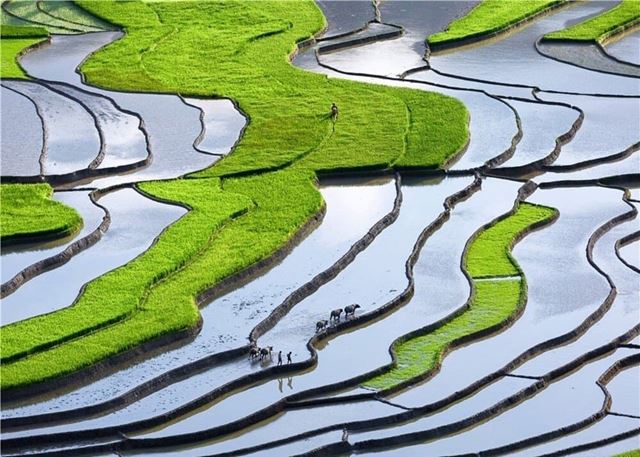
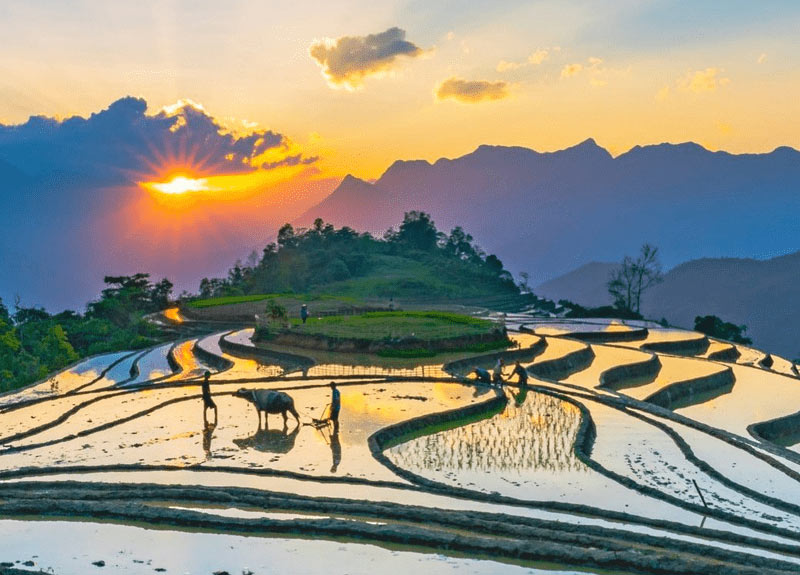
- The rice terraces lie fallow and golden-brown in winter, offering a completely different palette from the lush green of the wet season - stark, quiet, and deeply photogenic.
- Frost can appear on the grass and rooftops of highland villages in the early morning, lending the landscape an ethereal, crystalline quality.
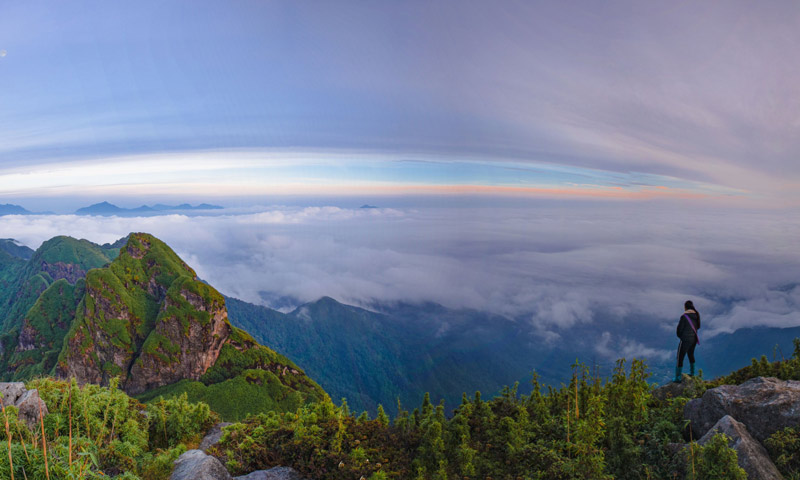
- Fansipan’s summit is at its most dramatic in January, often dusted with snow and wrapped in low cloud that parts dramatically on clear winter days.
- The quieter tourist season means trails and viewpoints are far less crowded, offering a more intimate and contemplative experience of the mountains.
- Camellia flowers and winter plum blossoms begin to appear in some areas of the highlands during January, adding delicate colour to the wintry landscape.
(1).jpg)
Thẻ tour 4850, 5278, 5281, 4834, 5288
What To Do in Sapa in January?
Trek Through Ethnic Villages
January trekking in Sapa offers a uniquely peaceful experience. With fewer visitors on the trails and the landscape stripped back to its essential forms, the paths connecting villages such as Cat Cat Village, Lao Chai, and Ta Van have a quiet, unhurried character that is rare in peak season.
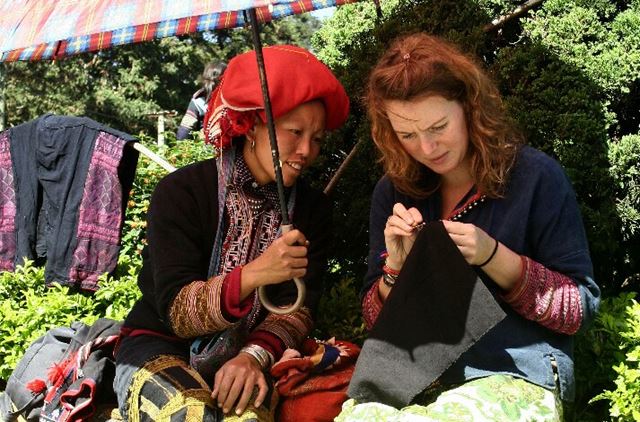
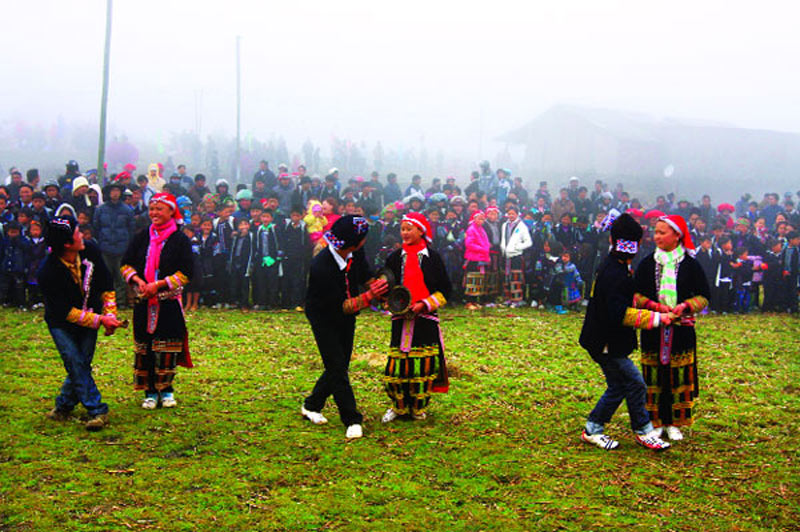
The H’mong and Dao communities continue their daily routines in January regardless of the cold - tending livestock, weaving in doorways, and gathering around open fires. The human warmth of village life is, if anything, more visible in winter, when the slower agricultural season brings people together indoors and around communal spaces.
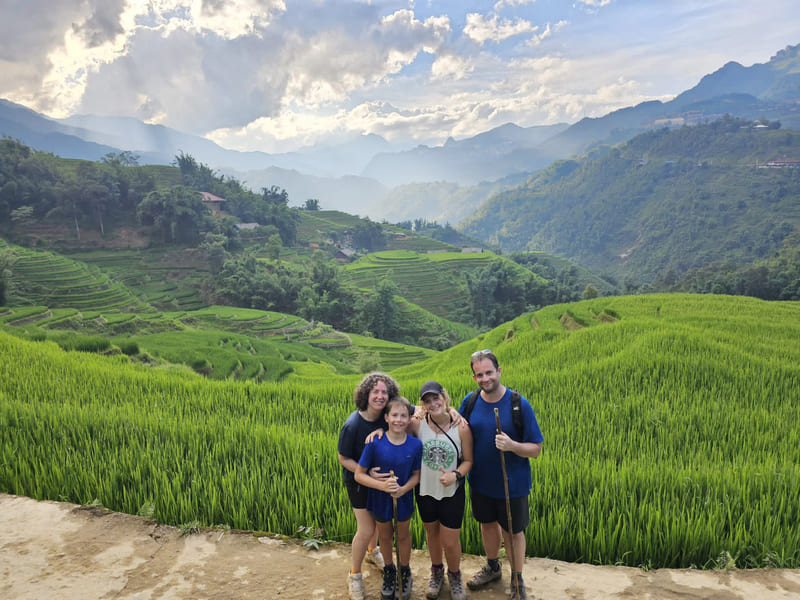
Warm, waterproof layers and sturdy trekking footwear are essential. Trails can be muddy, icy in the early morning, or obscured by fog, and a local guide is strongly recommended for navigation and safety.
Ride the Cable Car to Fansipan
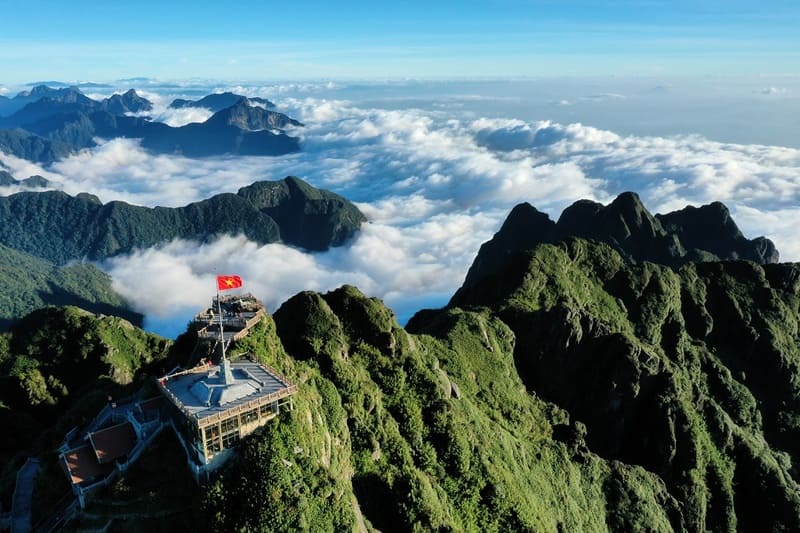
January is arguably the most dramatic month to visit Fansipan, the highest peak in Indochina at 3,143 metres. The summit is frequently snow-covered in January, and the views on clear days stretch across a vast, frozen-looking landscape of mountain ridges and cloud-filled valleys.
The cable car is the safest and most practical way to experience Fansipan in winter, as the trekking trails are often icy and dangerous in cold conditions. Warm clothing is absolutely essential at the summit, where temperatures can drop well below freezing.
Snow Hunting on the High Passes
When cold fronts sweep in from the north, snow can fall not just on Fansipan’s summit but on the passes and open ridgelines around Sapa, including the O Quy Ho Pass toward Lai Chau and the higher ground around Tram Ton Pass.
Locals and visitors alike head to these spots on snowfall days, which have become celebrated events attracting crowds from Hanoi and across Vietnam. If snow is forecast during your visit, joining the spontaneous mountain pilgrimage is one of the most memorable January experiences Sapa can offer.
Visit the Saturday Night Market in Sapa Town
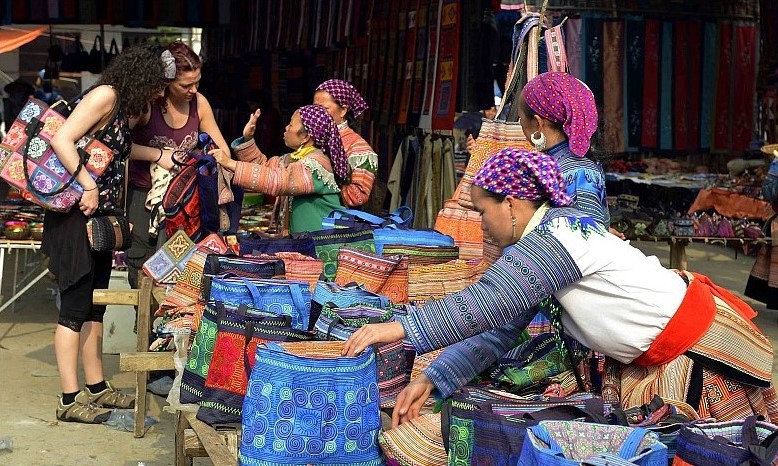
Sapa’s Saturday night market is one of the most atmospheric and authentic highland markets in northern Vietnam.
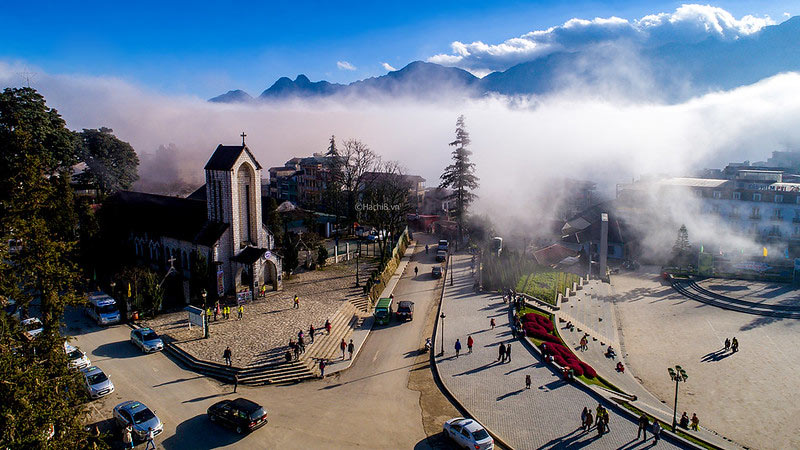
In January’s cold, the market takes on a particularly vivid character: braziers glow with warmth, the smell of grilled corn and hot rice wine fills the air, and ethnic minority traders in their traditional dress gather to exchange goods, share news, and socialise after weeks in the more remote villages. It is an immersive experience that photography alone cannot fully capture.
Held every Sunday, Bac Ha Market sits at a lower elevation than Sapa town and offers slightly milder temperatures in January. The Flower H’mong traders who arrive in their brilliantly embroidered traditional dress are as vivid and lively in winter as at any time of year.
Livestock trading, traditional herbal medicine stalls, and locally distilled corn wine make Bac Ha one of the most genuinely atmospheric markets in the entire region and a compelling half-day or full-day excursion from Sapa.
Experience a Traditional H’mong Home Stay
January is an excellent month for a home stay with a local H’mong or Red Dao family in one of the surrounding villages. With the agricultural season at its quietest, families have more time to share their traditions, cooking techniques, and daily life with visitors.
What Clothes to Wear in Sapa in January?
January is the coldest month in Sapa and requires the warmest clothing of any season. Underpacking is a common and uncomfortable mistake.
- Thermal base layers: essential for both tops and bottoms, especially for evening and early morning outdoor activities.
- Mid-layer fleece or down jacket: a warm mid-layer is critical for warmth during trekking and outdoor excursions in cold temperatures.
- Windproof and waterproof outer shell: wind chill on the passes and at altitude can make temperatures feel significantly colder, and light drizzle or mist is common.
- Warm hat, gloves, and scarf: non-negotiable for evenings, early mornings, and any time spent on high passes or at the Fansipan summit.
- Waterproof trekking shoes: trails can be wet, muddy, or icy; good ankle support and waterproofing are essential.
- Warm socks: wool or thermal socks make a significant difference to comfort during cold days on the trails.
If you are caught underprepared, Sapa town has a wide selection of local market stalls and shops selling warm clothing, from basic fleeces to traditional H’mong-embroidered jackets that double as practical souvenirs.
FAQs About Sapa Weather in January
Is January a good time to visit Sapa?
January is an excellent time to visit Sapa for travellers who are well-prepared for cold weather and comfortable with the possibility of fog limiting some views. .
Does it snow in Sapa in January?
Snow is possible in Sapa in January, particularly during strong cold fronts from the north. Snowfall on the peaks and passes, and occasionally in Sapa town itself, has become an increasingly anticipated event and draws large numbers of domestic visitors when forecast.
.jpg)
How cold does Sapa get in January?
January is the coldest month in Sapa. Daytime temperatures typically range from 5°C to 15°C depending on cloud cover and wind, while nights frequently drop to 0°C–5°C, sometimes falling below freezing at higher elevations.
Is trekking possible in Sapa in January?
Yes, trekking is possible and can be very rewarding in January. The trails are quieter than in peak season, and the winter landscape has a stark, dramatic beauty. However, cold temperatures, occasional ice on trails, and persistent fog require careful preparation. Warm, waterproof clothing, sturdy trekking shoes, and a knowledgeable local guide are all strongly recommended.
How crowded is Sapa in January?
January is generally a quieter month in Sapa compared to the peak trekking seasons of spring and autumn.
The Lunar New Year holiday (Tet), which falls in late January or early February depending on the year, brings a significant surge in Vietnamese domestic travellers and should be planned around if you prefer quieter conditions.
What are the best activities in Sapa in January?
Riding the cable car to the snow-dusted summit of Fansipan, trekking through ethnic villages in the crisp winter air, exploring Bac Ha Sunday Market, watching for snowfall on the high passes, experiencing a traditional home stay, and warming up with highland cuisine and tea are all highlights of visiting Sapa in January.
Thẻ tour 5573, 5585, 4856
>>> Explore other articles here:





 Our team
 Our team
 Our team
 Our team


 Other
Other Add us as a preferred source