TL;DR
- Daytime temperatures typically range between 12°C and 20°C in Sapa during March.
- Night temperatures remain cool, usually falling between 8°C and 13°C.
- March sits in the dry season's final weeks, with low rainfall but persistent morning fog and mist.
- Spring blossoms and the return of green to the rice terraces make March one of the most photogenic months to visit.
What is Sapa's March Weather Like?
March is a transitional month in Sa Pa, marking the shift from the cold, dry winter season toward the warmer and eventually wetter spring. It is one of the most pleasant months to visit, offering milder temperatures than January and February while retaining the relatively dry conditions of the cool season.
Daytime temperatures typically reach 15°C–20°C on clear days, though lingering fog and overcast skies can keep temperatures closer to 12°C–15°C in the morning hours. The famous Sapa mist remains a defining feature of the landscape in March, but it tends to lift more readily than in the depths of winter, opening up clearer windows of visibility across the terraced valleys and mountain ridges.
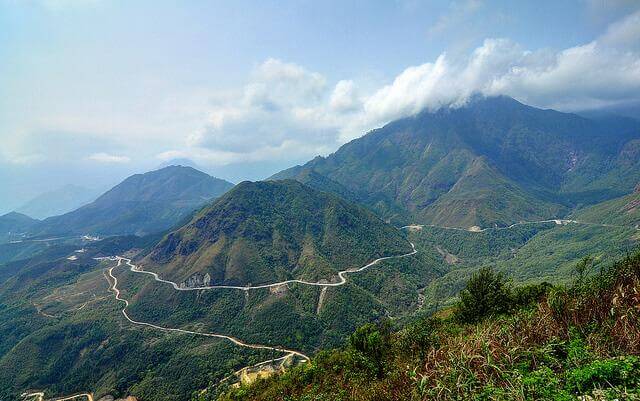
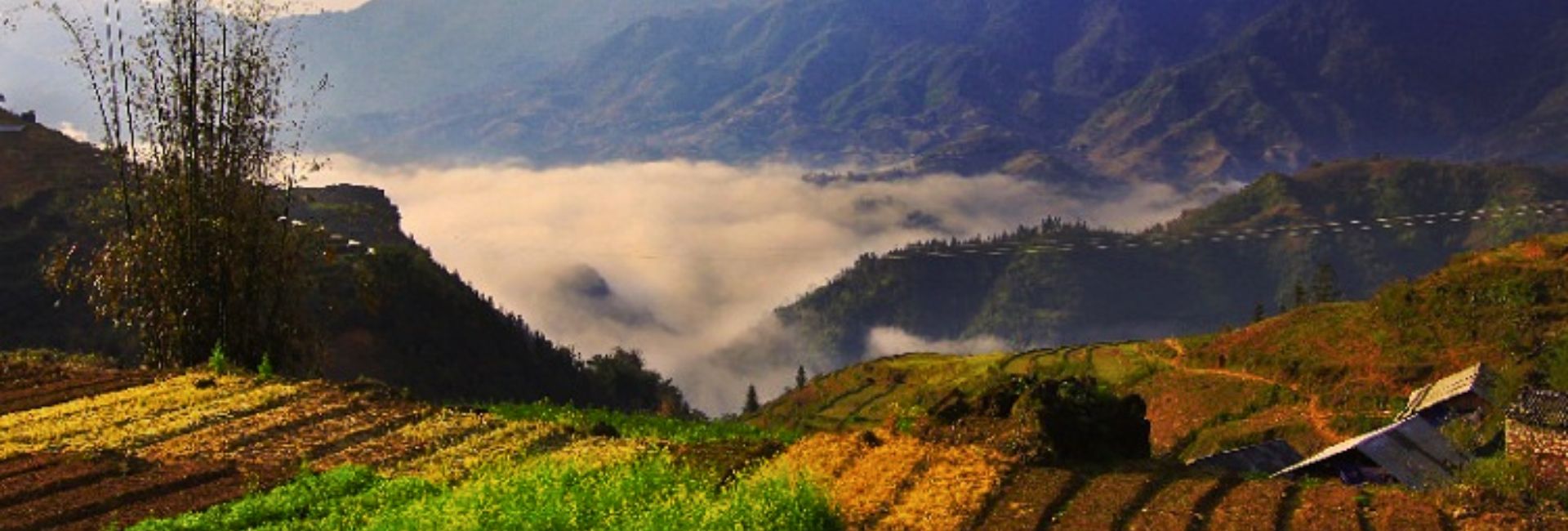
Mornings in March often begin cloaked in soft cloud, with the valleys still hidden beneath a sea of mist. By mid-morning or midday, the sun frequently breaks through, warming the air and illuminating the landscape in a clear, golden light that is ideal for both trekking and photography.
(1).jpg)
It is a month of gentle transformation: the mountains are waking up, the villages are busy with the start of the agricultural season, and the trails are alive with wildflowers and birdsong. March draws travellers who want to experience Sapa at its most refreshed and optimistic, before the heat and heavy rains of summer arrive.
Sapa Weather in March: Overview
| Weather Factor |
March Average |
| Daytime temperature |
12°C – 20°C (54°F – 68°F) |
| Night temperature |
8°C – 13°C (46°F – 55°F) |
| Rainfall |
About 50–80 mm for the month |
| Humidity |
Around 80–88% |
| Sunshine |
3–6 hours per day |
| Rainy days |
Approximately 10–14 days (mostly light showers or drizzle) |
| Snow |
Very unlikely; possible only on Fansipan summit during cold snaps |
- Daytime temperatures are mild and comfortable for trekking, with warming afternoons on clear days.
- Nights remain cool and require a warm layer, especially at higher elevations and outside of town.
- Rainfall begins to increase slightly compared to January and February, but heavy rain is rare.
- Mist and fog remain a constant and atmospheric feature of the morning landscape.
(2).jpg)
What Makes March Weather Unique in Sapa?
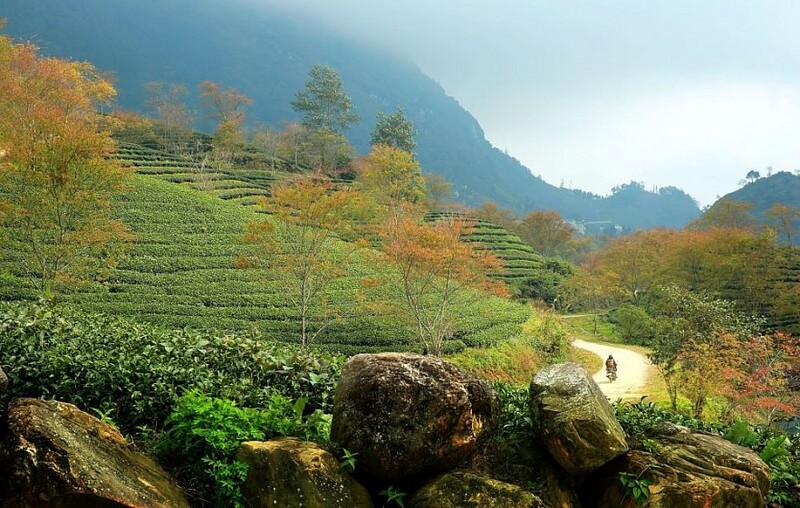
- March is one of the prime months for spring blossoms in the highlands, with wild peach, plum, and cherry trees flowering across the hillsides, particularly on the slopes above Cat Cat Village and along the road toward Tram Ton Pass.
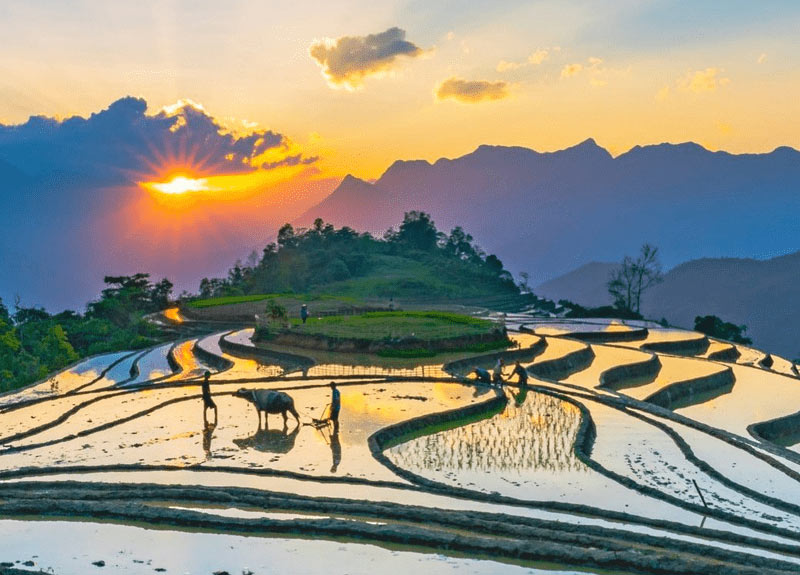
- The rice terraces begin their transformation in March as water is channelled back into the paddies in preparation for planting, turning the stepped fields from golden-brown to mirror-like pools reflecting the sky — one of the most photographed spectacles in northern Vietnam.
- The air in March carries the fresh, earthy scent of the soil waking up after winter, and the hillsides begin to show early green growth that contrasts beautifully with the remaining mist.
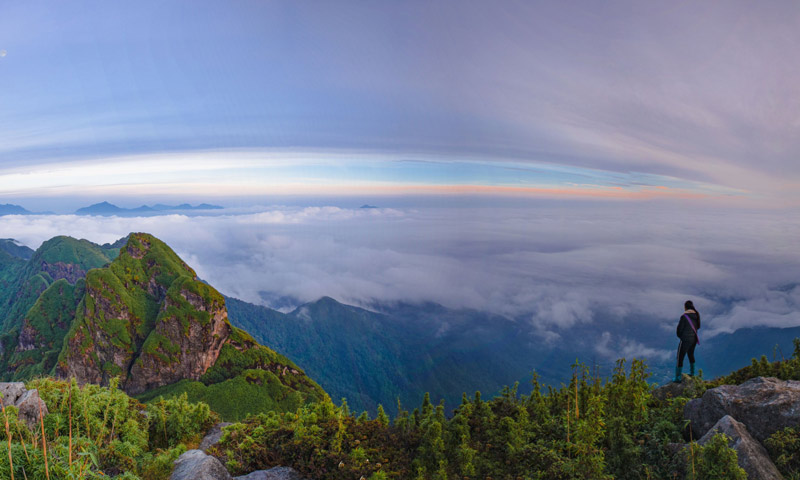
- Fansipan's summit, while rarely snow-covered in March, is often wreathed in dramatic cloud formations that create a striking and dynamic backdrop for the cable car ride and summit views.
- March falls within Sapa's shoulder season, meaning visitor numbers are moderate — busier than January but without the peak-season crowds of April and May. Trails and viewpoints remain accessible and relatively peaceful.
- The Sapa area's highland fauna becomes more active in March, with birdwatching opportunities improving significantly as migratory species begin moving through the region.
(1).jpg)
Thẻ tour 4850, 5278, 5281, 4834, 5288
What To Do in Sapa in March?
Trek Through Ethnic Villages
March is one of the finest months for trekking in Sapa. The trails are dry enough to be firm underfoot, the temperatures are comfortable for sustained walking, and the landscape is at its most dynamic as the season transitions from winter to spring.
The paths connecting villages such as Cat Cat Village, Lao Chai, and Ta Van are surrounded by flowering trees and early-season green, and the H'mong and Dao communities are busy with preparations for the coming agricultural season — weaving, planting, and tending their animals.
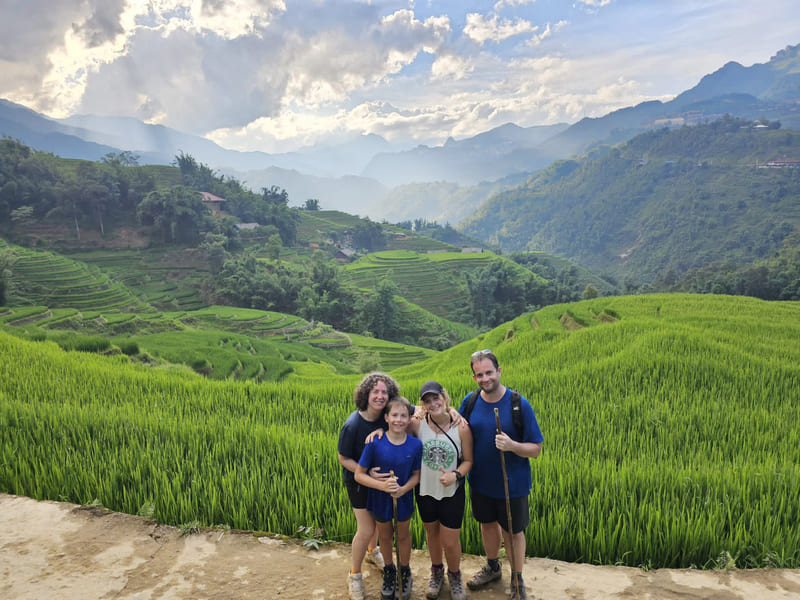
A light waterproof layer is advisable for unexpected drizzle, and waterproof trekking footwear is recommended as some sections of trail can be damp or muddy, particularly in shaded valley sections. A local guide adds cultural depth and navigational confidence to any route.
Ride the Cable Car to Fansipan
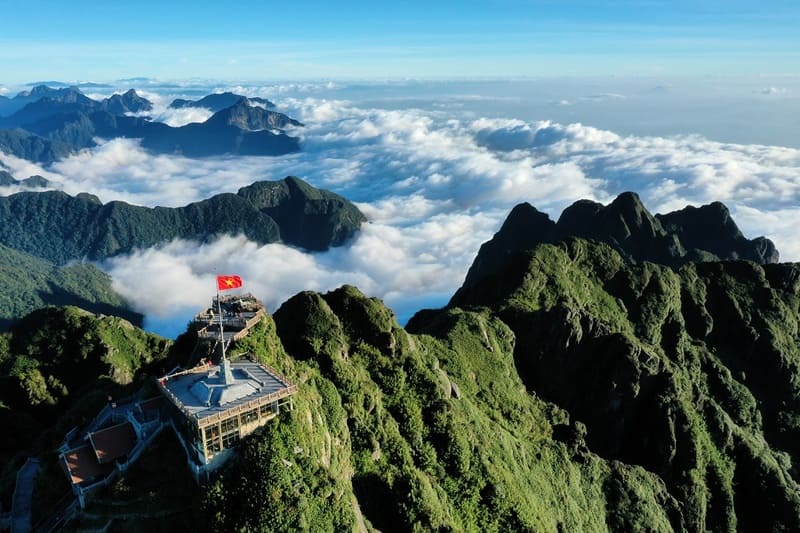
March is a rewarding month to visit Fansipan, the highest peak in Indochina at 3,143 metres. While snow is rare at this time of year, the summit is frequently enveloped in swirling cloud that parts dramatically on clearer afternoons to reveal sweeping views across the northern highlands stretching toward Lai Chau and Lao Cai provinces.
The cable car is the most practical way to reach the summit, and the journey itself — rising through layers of cloud and emerging above the treeline — is one of the most dramatic in Vietnam. A warm jacket is still essential at the summit, where temperatures remain significantly colder than in Sapa town.
Chase Spring Blossoms on the High Passes
When the wild peach and plum trees are in full bloom in March, the roads and ridgelines around Sapa become some of the most beautiful in Vietnam. The O Quy Ho Pass toward Lai Chau and the slopes around Tram Ton Pass are particularly spectacular when the blossom is at its peak, with pale pink and white flowers set against a backdrop of misty green mountains.
Early morning drives or motorbike rides along these passes, before the mist fully lifts, offer an almost otherworldly experience that is among March's most memorable gifts to visitors willing to rise early.
Visit the Saturday Night Market in Sapa Town
Sapa's Saturday night market is one of the most atmospheric and authentic highland markets in northern Vietnam.
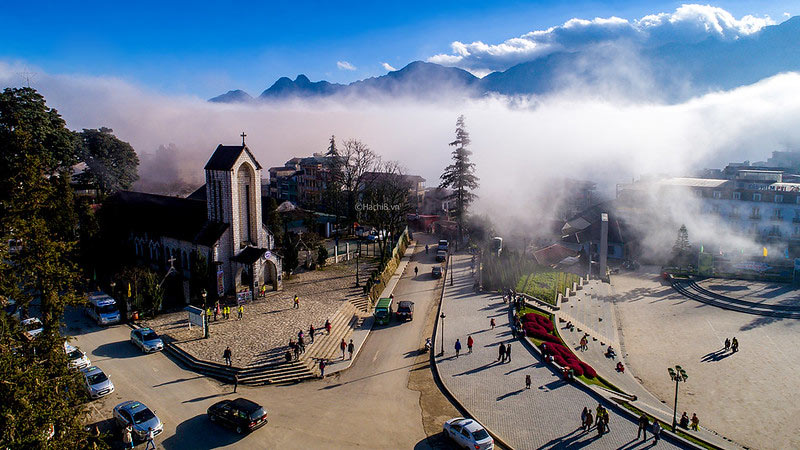
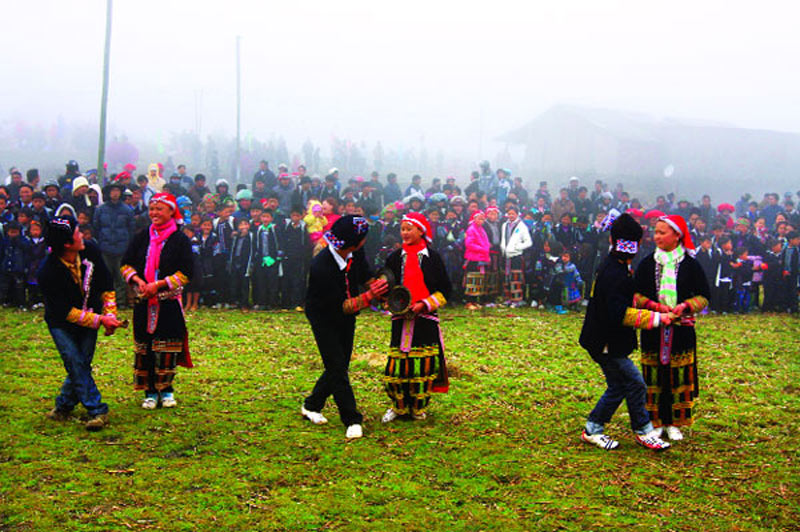
In March, the market takes on a lively, celebratory quality as the community marks the transition into the new agricultural year. Traders arrive in traditional dress, the grills are stacked with corn and skewered meats, and the warming evenings make browsing the stalls and sampling local food a thoroughly enjoyable experience. It remains one of the most vivid and immersive evenings any visitor to Sapa can have.
Held every Sunday, Bac Ha Market sits at a lower elevation than Sapa town and is at its colourful best in March as warmer temperatures bring more traders and visitors out from their villages. The Flower H'mong traders arrive in their brilliantly embroidered traditional dress, and the market buzzes with livestock trading, herbal medicine stalls, and local corn wine.
March's mild weather makes the journey to Bac Ha and back particularly pleasant, and the surrounding countryside — with its flowering plum orchards and patchwork fields — adds an extra dimension to the excursion.
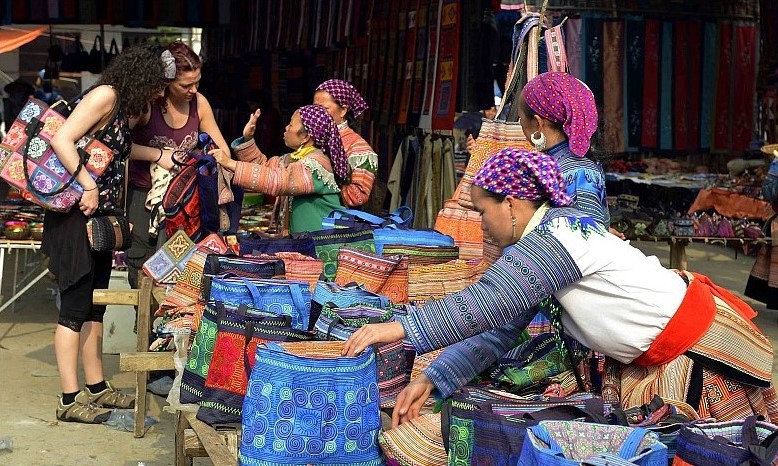
Experience a Traditional H'mong Home Stay
March is a wonderful time for a home stay with a local H'mong or Red Dao family in one of the surrounding villages. As the agricultural season begins to stir, families are engaged in the rhythms of spring planting and preparation — an animated and revealing time to share in village life. Guests can join in simple farm tasks, help prepare traditional meals, and gain a genuine understanding of how these highland communities connect with the land across the seasons.
What Clothes to Wear in Sapa in March?
March weather in Sapa is mild but variable. Light layers that can be added or removed throughout the day are the most practical approach to dressing for this time of year.
- Light thermal or long-sleeve base layer: useful for early mornings and evenings when temperatures are cooler, particularly at higher elevations.
- Mid-layer fleece or light down jacket: essential for mornings, evenings, and any time spent above 1,500 metres, including the Fansipan cable car summit.
- Lightweight waterproof outer shell: March showers are usually brief but can be sudden. A packable rain jacket takes up very little space and can make a significant difference to comfort on the trail.
- Comfortable trekking trousers: lightweight and quick-drying options are ideal for the variable conditions of a spring trekking day.
- Waterproof trekking shoes: trails can still be damp, particularly in shaded sections and lower valley paths. Good ankle support is recommended for uneven terrain.
- Sunscreen and sunglasses: March brings more direct sun than the depths of winter, and UV levels at altitude are higher than many visitors expect.
If you need to supplement your wardrobe on arrival, Sapa town has a wide range of stalls and shops selling clothing suitable for highland conditions, including locally made fleeces and embroidered jackets that serve as both practical wear and memorable souvenirs.
FAQs About Sapa Weather in March
Is March a good time to visit Sapa?
March is an excellent time to visit Sapa. The weather is mild, the landscape is at its most visually dynamic as winter gives way to spring, and visitor numbers are moderate rather than overwhelming. It is one of the most rewarding months for trekking, photography, and cultural experiences in the highlands.
Does it snow in Sapa in March?
Snow in March is very unlikely in Sapa town and on the lower slopes. On rare occasions when a late cold front pushes down from the north, a light dusting of snow may appear on the highest elevations around Fansipan's summit, but this is the exception rather than the rule. Visitors hoping for snow should plan a January or February trip instead.
.jpg)
How cold does Sapa get in March?
March is noticeably warmer than the coldest winter months. Daytime temperatures typically range from 12°C to 20°C depending on cloud cover and wind, while nights cool to around 8°C–13°C. Higher elevations, including the Fansipan summit, remain significantly colder and require warm layering throughout the day.
Is trekking possible in Sapa in March?
Yes, and March is considered one of the best months for trekking in Sapa. The temperatures are comfortable for sustained walking, the trails are generally dry and firm, and the landscape is extraordinarily beautiful with spring blossom and the first green of the season. A light waterproof layer is advisable, and waterproof footwear remains recommended for lower valley trails. A local guide enhances both the cultural experience and navigational safety.
How crowded is Sapa in March?
March sits in Sapa's shoulder season. It is quieter than the peak trekking months of April and May, but busier than January and February as the improving weather and spring scenery attract more visitors. Weekends can be notably livelier than weekdays, particularly around popular viewpoints and the Saturday night market.
What are the best activities in Sapa in March?
Trekking through villages in the spring warmth, chasing wild peach and plum blossoms on the high passes, riding the cable car to Fansipan through dramatic cloud formations, exploring Bac Ha Sunday Market, watching the rice terraces fill with water in preparation for planting, and experiencing a traditional H'mong home stay are all highlights of visiting Sapa in March.
Thẻ tour 5573, 5585, 4856
>>> Explore other articles here:





 Our team
 Our team
 Our team
 Our team


 Other
Other Add us as a preferred source