Sapa Weather in February: How Cold Does It Really Get?
Sapa in February sits at the heart of winter, when the highlands are at their coldest and most atmospheric. Mist clings to the valley floors for much of the day, the Fansipan massif is dusted with frost and occasional snow, and the terraced fields lie quiet and bare beneath pale winter skies. It is a month of raw, elemental beauty that draws a very different kind of traveller to the one who comes for the golden harvest or the green monsoon season.
In this guide, you will discover everything you need to know about Sapa weather in February, including temperatures, rainfall patterns, what the landscape looks like, and practical travel tips to help you plan a rewarding trip during the most dramatic and wintry month in the Sapa calendar.
Written by Trang Nguyen (Local Expert)
Updated on Jun 10, 2026
0 comment
Trang Nguyen has lived in Vietnam for nearly three decades and spent much of her life exploring Asia. She has joined numerous field trips, stayed with ethnic communities in the northern mountains, and gained deep insights into local cultures and landscapes. Her writing reflects an honest passion for authentic travel and meaningful connections. If you have any questions about her journeys, feel free to reach out and leave a comment!
Daytime temperatures in Sapa during February typically range between 10°C and 17°C, with cold spells pushing temperatures lower.
Night temperatures are cold, often dropping to 3°C–8°C and occasionally approaching freezing.
Rainfall is low but drizzle and heavy mist are frequent, averaging around 40–70 mm for the month.
Snow is possible in Sapa town in February and relatively common on the upper slopes of Fansipan, one of the very few places in Vietnam where snow falls.
February coincides with the Lunar New Year period, bringing significant cultural celebrations to the highland villages.
What is Sapa’s February Weather Like?
February is one of the coldest months of the year in Sapa, sitting deep within the highland winter that grips the Hoang Lien Son range from December through to early March. Daytime temperatures typically range between 10°C and 17°C (50°F–63°F), though cold fronts sweeping down from southern China can reduce daytime highs to 5°C or below during particularly sharp cold spells.
Nights are consistently cold, dropping to around 3°C–8°C (37°F–46°F), and on the coldest nights of the month temperatures at higher elevations can fall to or below freezing.
Drizzle and heavy mist are characteristic features of the Sapa winter, and February is no exception. Unlike the dramatic monsoon downpours of summer, winter precipitation in Sapa takes the form of persistent fine drizzle and thick cloud that can settle over the town and valley for days at a time.
On these grey, misty days the mountains have an otherworldly, ink-wash quality that is deeply atmospheric, even if visibility is limited.
Sapa Weather in February: Overview
Weather Factor
February Average
Daytime temperature
10°C – 17°C (50°F – 63°F)
Night temperature
3°C – 8°C (37°F – 46°F)
Rainfall
About 40–70 mm for the month
Humidity
Around 75–85%
Sunshine
2–4 hours per day
Rainy days
Approximately 10–15 days (drizzle and mist)
Snow
Possible in town; likely on Fansipan upper slopes
Daytime temperatures are cool to cold, requiring warm layers throughout the day.
Nights are genuinely cold and can approach freezing at higher elevations.
Drizzle and mist are more common than heavy rain, creating an atmospheric but grey winter character.
Snow is possible at town level and relatively reliable on the upper slopes of Fansipan.
What Makes February Weather Unique in Sapa?
February stands apart from every other month in Sapa because of the combination of winter cold, possible snow, and the extraordinary cultural celebrations of the Lunar New Year season. Tet, the Vietnamese Lunar New Year, falls in late January or February each year, and the timing means that February in Sapa is infused with a festive energy that sits in striking contrast to the cold, spare landscape outside.
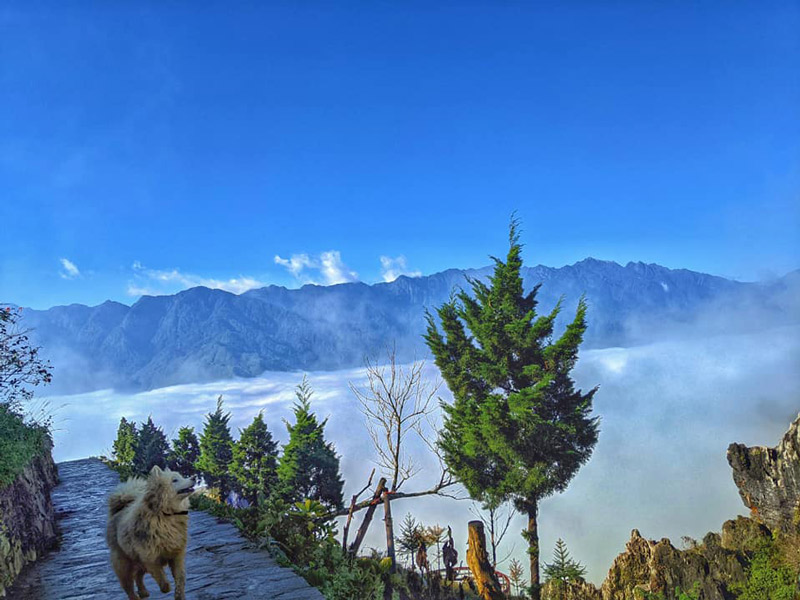
The winter mist that characterises February gives the Sapa landscape a quality found in no other month. On misty mornings the town itself seems to float above the valley, and the terraced hillsides emerge and disappear through the cloud in a constantly shifting panorama.
The bare terraces of the post-harvest season, combined with frost on the ground and the occasional dusting of snow on the higher ridges, create scenes of quiet, monochrome drama that are unlike anything the warmer, greener months can offer.
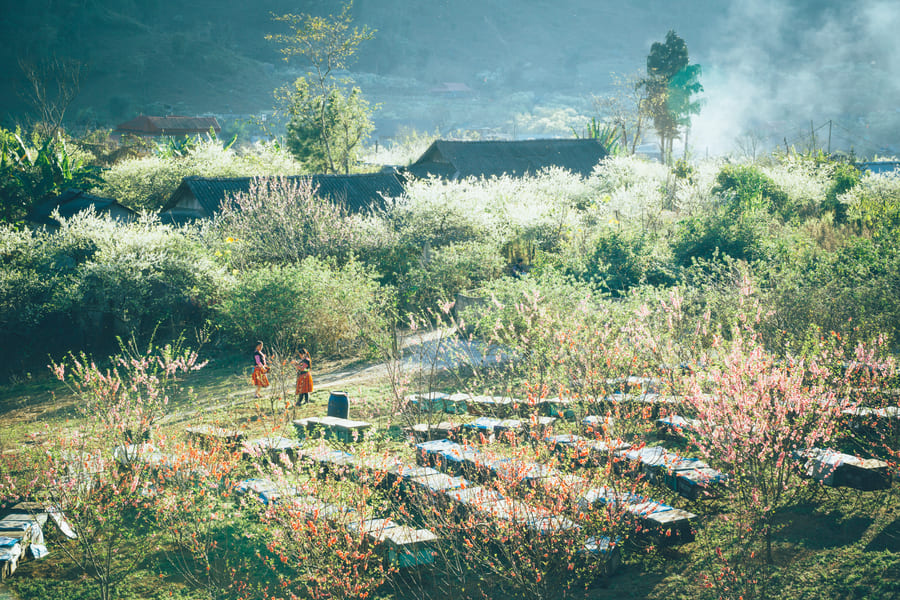
February is also the month when the plum and peach blossoms begin to appear across the highland slopes. In the villages of the Muong Hoa Valley and along the roadsides between Sapa and Bac Ha, white and pink blossom trees break the grey winter palette with bursts of delicate colour that signal the coming end of winter.
These blossoms hold deep cultural significance for the ethnic minority communities of the highlands and are a symbol of renewal and the approaching new year.
What To Do in Sapa in February?
Experience Tet and Lunar New Year Celebrations
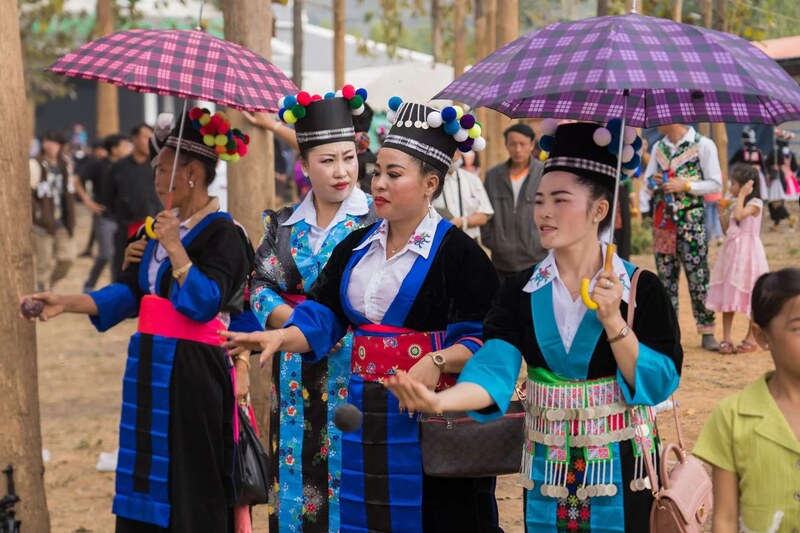
The Lunar New Year, known in Vietnam as Tet, is the most important celebration in the Vietnamese calendar, and in the highlands of Sapa it takes on a character unlike anything found in the lowland cities. The Black H’mong, Red Dao, Tay, and other ethnic minority communities of the Sapa region celebrate the new year with traditional ceremonies, music, dancing, and feasting that reflect their own distinct cultural calendars.
Village markets become particularly lively in the days surrounding Tet, and the traditional clothing, food, and rituals on display offer a depth of cultural immersion that no other time of year can match. Note that some guesthouses and small businesses in Sapa town may close or reduce services during the Tet holiday period, so planning ahead is important.
Search for Snow on Fansipan
February is the month when the dream of seeing snow in Vietnam is most likely to be realised. The upper slopes and summit of Fansipan, the highest mountain in Indochina at 3,143 metres, receive snowfall on the coldest nights of the winter season, and February is statistically one of the most reliable months for snow at altitude.
The Fansipan cable car provides access to the summit area even in cold and misty conditions, and arriving on a morning after a cold front has passed can reward visitors with genuinely snow-dusted scenes that feel entirely surreal in the context of Southeast Asia. Temperatures at the summit in February can drop to –2°C or below, so heavy winter clothing is absolutely essential.
The Fansipan summit offers the possibility of snow, a truly rare experience in Vietnam
Photograph the Plum and Peach Blossoms
One of the most beautiful and underappreciated aspects of February in Sapa is the blossom season. White plum blossoms and pink peach blossoms appear across the highland slopes in late January and through February, softening the winter landscape with delicate colour against the bare grey hillsides.
The road between Sapa and Bac Ha is lined with blossom trees that are particularly photogenic in the morning light, and the villages of the Muong Hoa Valley are framed by flowering trees that contrast beautifully with the mist-covered valley behind them. For photographers, this combination of winter mist, bare terraces, and spring blossom is one of the most compositionally rich and distinctive opportunities that Sapa offers at any time of year.
Trek to Highland Villages in the Winter Landscape
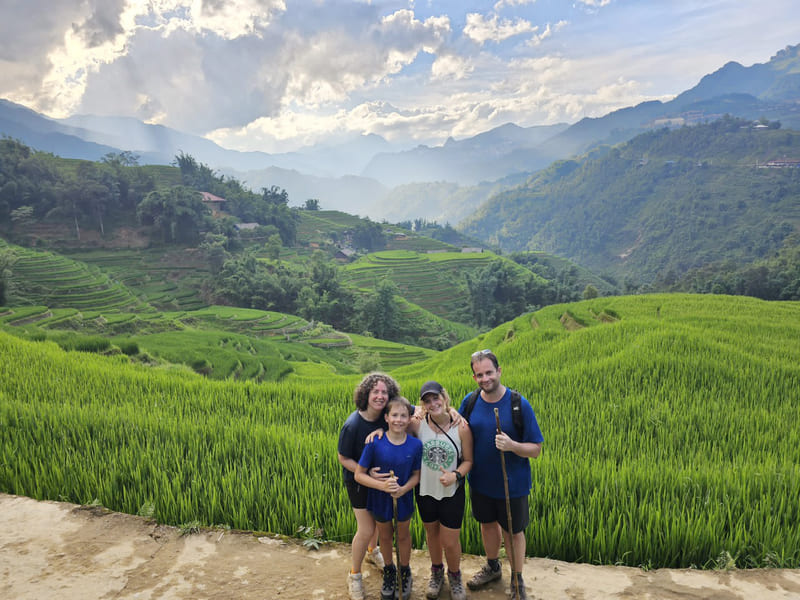
Winter trekking in Sapa has a quality entirely its own. The trails through the Muong Hoa Valley to villages such as Cat Cat Village, Lao Chai, and Ta Van are quiet and uncrowded in February, and the winter atmosphere, mist drifting across the bare terraces, frost on the grass in the morning, the sound of village life carrying clearly through the cold air, creates an immersive experience that feels entirely different from the same routes walked in summer or autumn. Warm, waterproof layers are essential, as the drizzle and mist of the Sapa winter can quickly soak lighter clothing.
Visit Bac Ha and Can Cau Markets
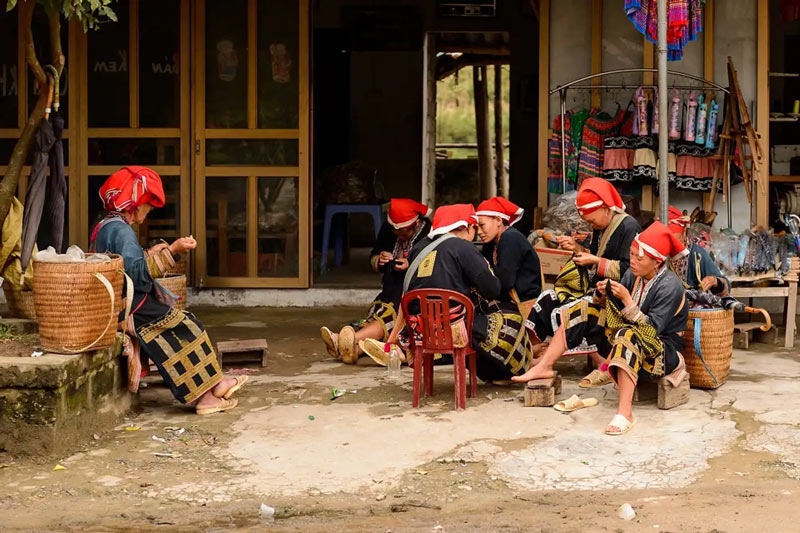
The weekend markets of the broader Sapa region are particularly culturally rich during the Lunar New Year season. Bac Ha Market, held every Sunday, and Can Cau Market, held on Saturdays, see the Flower H’mong and other communities dressed in their finest traditional clothing for the new year period. The colours, sounds, and energy of these markets in February are extraordinary, and the festive atmosphere lends an additional warmth and vibrancy to what might otherwise be a grey and cold day in the highlands.
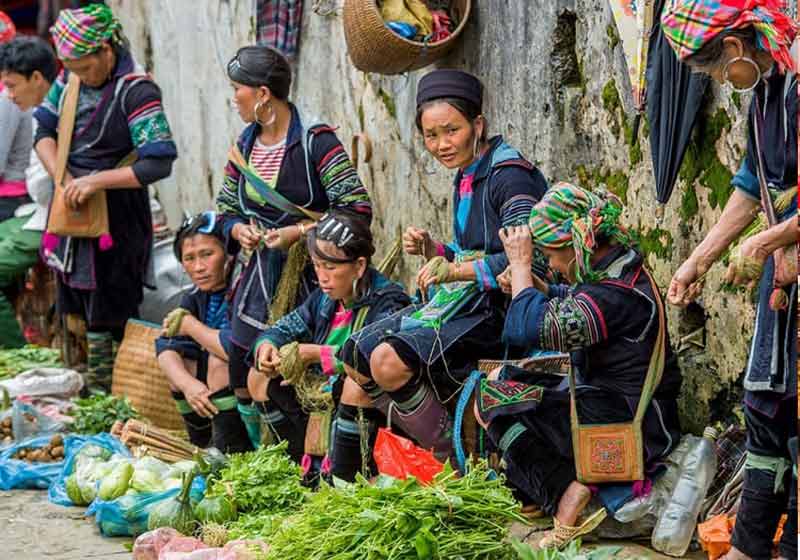
Sapa Market, also called “Chợ Phiên”
Warm Up with Highland Food and Hot Springs
February’s cold makes the culinary and wellness experiences of the Sapa region particularly appealing. The highland cuisine of the ethnic minority communities, thắng cố (a traditional horse meat stew), grilled mountain pork, black bean soup, and sticky rice steamed in bamboo, is hearty, warming, and deeply satisfying on a cold winter day.
The Tram Ton hot spring, located near the base of the Fansipan cable car along the road toward Lai Chau, offers a genuinely luxurious contrast to the cold mountain air outside, with thermal pools set against a backdrop of forest and mountain that is particularly beautiful in the winter mist.
Explore Sapa Town and the Stone Church
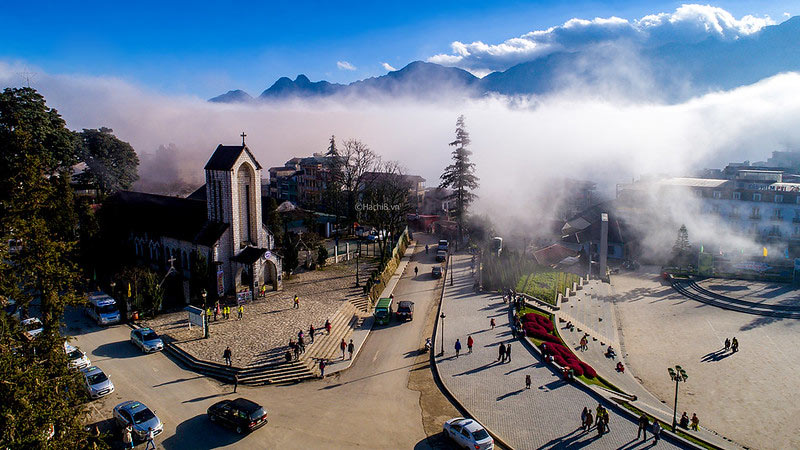
February’s unpredictable weather makes Sapa town itself a rewarding place to explore between trekking days. The old French colonial Stone Church at the centre of the town square is one of the most iconic landmarks in the northern highlands and takes on a particularly atmospheric quality in the winter mist, its grey stone walls and arched windows framed by bare trees and cold mountain air.
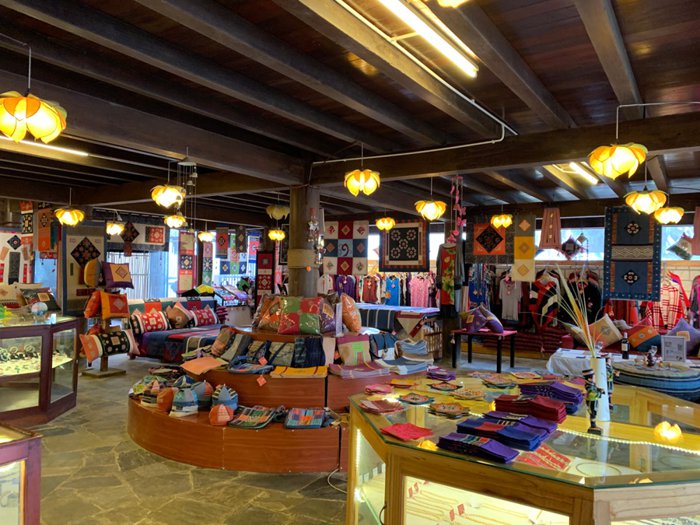
The surrounding streets are lined with small cafes, local restaurants, and craft shops selling H’mong embroidery and handwoven textiles that make for excellent and meaningful souvenirs. On the coldest and mistiest days, finding a fireside table in one of Sapa’s mountain cafes with a cup of freshly brewed local tea or ca phe trung, Vietnamese egg coffee, is a deeply satisfying way to spend an afternoon.
What Clothes to Wear in Sapa in February?
February demands the most serious cold-weather packing of any month in the Sapa calendar. The combination of cold temperatures, persistent damp mist, and the possibility of snowfall at altitude means that inadequate clothing will quickly turn an enjoyable trip into an uncomfortable one.
Thermal base layers: essential for both day and night; lightweight thermals worn under regular clothing make a significant difference in the damp winter cold.
Warm fleece or down mid-layer: a good quality fleece or down gilet is needed throughout the day in February, not just in the evenings.
Heavy insulated outer jacket: a proper winter coat or heavy down jacket is non-negotiable for February in Sapa, particularly for any visit to the Fansipan summit.
Warm hat, gloves, and scarf: essential at all times of day; the Fansipan summit can drop to –2°C or below, making full winter accessories necessary.
Waterproof jacket and trousers: the persistent drizzle and mist of the Sapa winter will soak ordinary clothing quickly; waterproof outer layers are important for any time spent outdoors.
Waterproof hiking boots: trails can be muddy, frosty, or icy in February; sturdy waterproof footwear with good grip is strongly recommended.
Hand and foot warmers: particularly useful for early morning photography sessions, summit visits, and any extended time outdoors on the coldest days.
FAQs About Sapa Weather in February
Is February a good time to visit Sapa?
Yes, for the right kind of traveller. February offers a side of Sapa that no other month can, the possibility of snow, dramatic winter mist, the beauty of the plum and peach blossom season, and the extraordinary cultural celebrations of Tet and the Lunar New Year. Visitors who are well prepared for the cold and open to the slower, more atmospheric character of the highland winter will find February genuinely unforgettable.
Does it snow in Sapa in February?
Snow is possible in Sapa town in February and is one of the more likely months for it to occur, though it is not guaranteed and tends to be light when it does fall at town level. The upper slopes and summit of Fansipan are considerably more reliable for snow, and a cable car visit following a cold front in February has a reasonable chance of revealing snow-dusted conditions at altitude. Snow at town level is always an event that generates excitement across the entire Sapa community when it occurs.
How cold does Sapa get in February?
February is one of the coldest months of the year in Sapa. Daytime temperatures typically reach between 10°C and 17°C, but cold fronts can push daytime highs as low as 5°C. Nights regularly drop to between 3°C and 8°C, and at the Fansipan summit temperatures can fall to –2°C or below. A full winter wardrobe is essential.
Is trekking possible in Sapa in February?
Yes, trekking is possible in February, though the conditions are more demanding than the dry autumn months. Trails can be muddy, frosty, or slippery in places, and the persistent mist and drizzle require proper waterproof gear. That said, winter trekking in Sapa has a raw, atmospheric beauty that many experienced travellers consider one of the most rewarding versions of the experience. Hiring a local guide is strongly recommended in February for both safety and navigation.
What is Tet and when does it fall in February?
Tet is the Vietnamese Lunar New Year and the most important cultural celebration in the Vietnamese calendar. It falls on a different date each year according to the lunar calendar, typically between late January and mid-February. In the Sapa highlands, Tet is celebrated with particular richness by the Black H’mong, Red Dao, and Tay communities, with traditional ceremonies, music, village markets, and feasting that offer a depth of cultural experience unavailable at any other time of year. Travellers visiting during Tet should book accommodation well in advance, as it is one of the busiest domestic travel periods of the year.
Are the hot springs open in Sapa in February?
Yes, and February is one of the most enjoyable months to visit them. The Tram Ton hot spring near the base of the Fansipan cable car is open year-round, and soaking in the thermal pools against a backdrop of cold mountain air and winter forest is a particularly restorative experience in February. It is worth checking opening hours in advance, as the Tet holiday period may affect schedules.
What should I pack for Sapa in February?
Thermal base layers, a warm fleece or down mid-layer, a heavy insulated outer jacket, a warm hat, gloves and scarf, waterproof outer layers, waterproof hiking boots, and hand warmers for the coldest days are all strongly recommended for travel in Sapa in February. Packing for genuine winter conditions, not just cool weather, is the right approach for this month.
Planning your trip?
Save time and get expert advice for FREE!
✅ 15 years of local experience
✅ Save up to 40 hours of planning
✅ Travel stress-free from start to finish
Book your free consultation today!





 Our team
 Our team
 Our team
 Our team

.jpg)
.jpg)
.jpg)
.jpg)
.jpg)
.jpg)


 Other
Other Add us as a preferred source