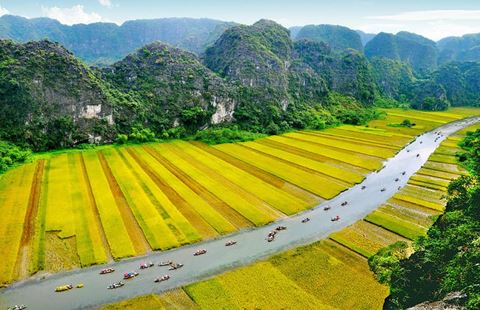
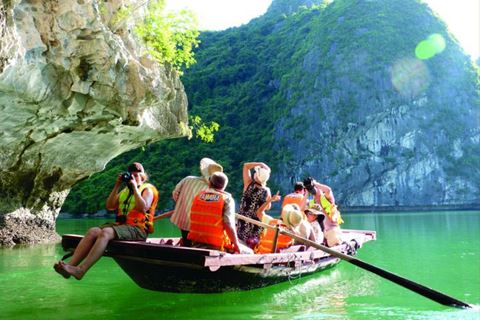
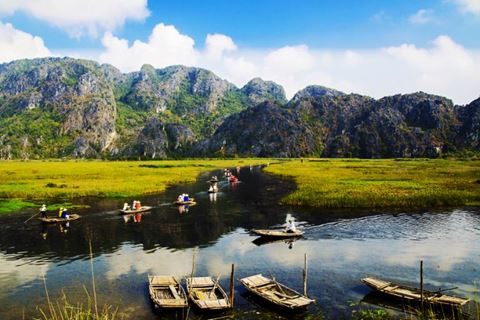
Vietnam offers serene mountain landscapes that trekking enthusiasts dream of. Particularly, the northern Tonkin region is renowned for its rice terraces and breathtaking scenery, providing visitors with an opportunity to immerse themselves in Vietnamese culture and interact with locals of diverse ethnicities. Moving southward, central Vietnam boasts a famous trekking destination recognized as a UNESCO Natural Heritage site. Can you guess which one it is?
In this article, we showcase our selection of the top 12 trekking destinations in Vietnam, spanning from the northern to central regions. We also provide practical tips and advice on the best times to explore these magnificent places.
Written by Oliver PHUNG (Tour Guide)
Updated on Jun 26, 2026
0 comment
Oliver Phung is a Northern Vietnam-based tour guide and blogger. His favorite topics to write about include cuisine, culture, travel, and under-the-radar experiences. Oliver possesses a deep, detailed understanding of the region, from the indigenous culture of the Hmong in the Northwest to the highland lifestyle of the Tay in the Northeast. Whether he is exploring ancient architecture or geological landscapes, he is always eager to share his insights with his readers.
Beyond his work at Kampá Tour, he produces specialized travel content on platforms such as Reddit, Instagram, LinkedIn, and various other publications.
Sapa: Best for First-Time Trekkers and Rice Terraces
Best for: First-time trekkers, rice terraces, ethnic villages, cultural homestays
Difficulty: Easy to moderate
Ideal duration: 1 to 3 days
Best time: March to May and September to November
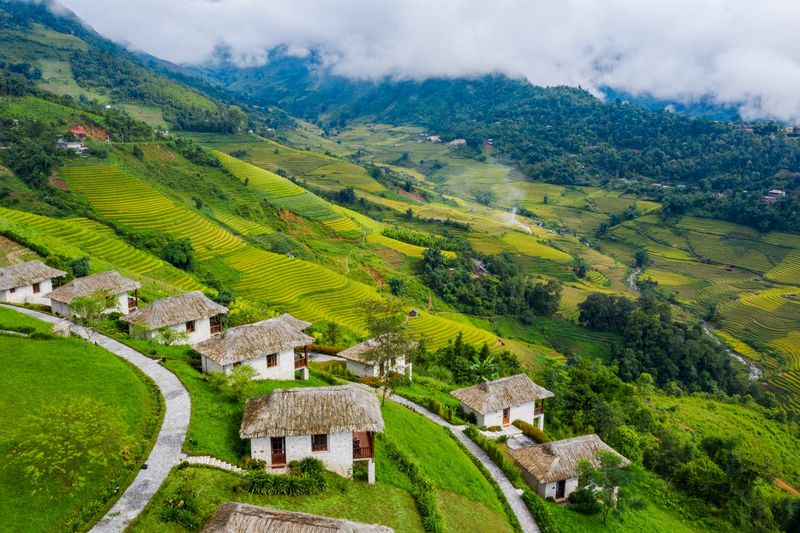
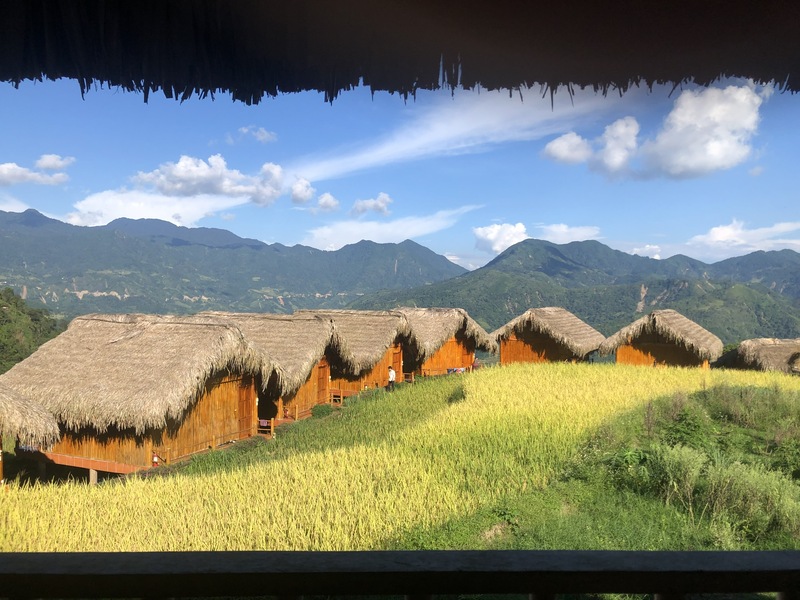
The majestic view of the terraced fields in Sapa from above. Photo: Topas Ecolodge Sapa
High in the mountains of Lao Cai province, Sapa is one of the most accessible trekking bases in northern Vietnam. Set at around 1,600 meters above sea level, it is best known for the rice terraces of Muong Hoa Valley and ethnic villages such as Lao Chai, Ta Van, Ta Phin, Ban Ho, Sin Chai and Seo My Ty.
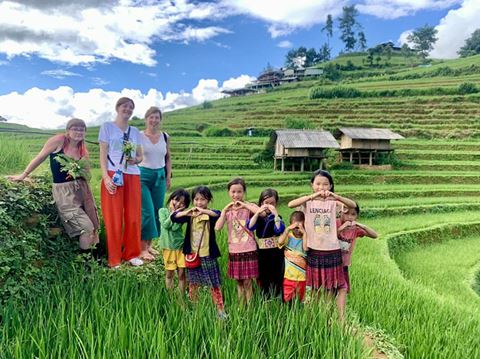
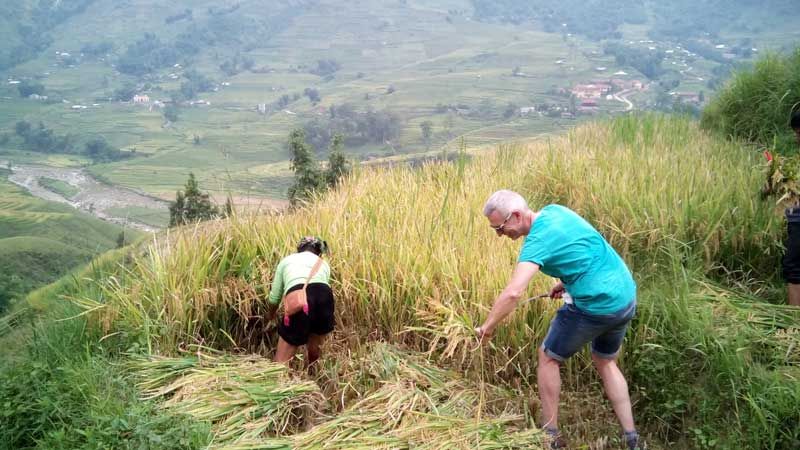
A visitor is experiencing the rice harvest with local people
Sapa is a good choice for first-time trekkers because routes can be adapted easily. You can take a short valley walk, spend a full day crossing rice fields and villages, or choose a 2 to 3 day trek with an overnight stay in or near a local home. Along the way, the experience is not only about scenery, but also about meeting Hmong, Dao, Tay, Giay and Xa Pho communities.
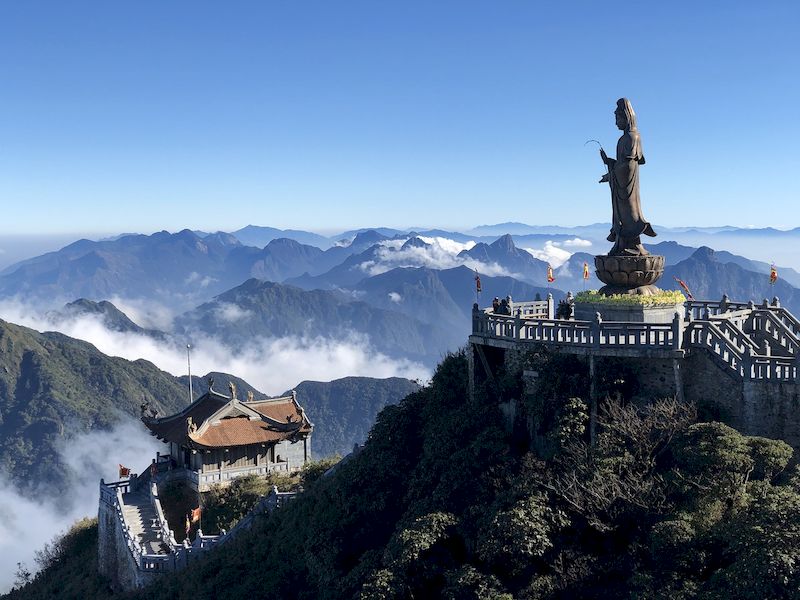
Conquering the top of Mount Fansipan is a must-do activity when visiting Sapa
That said, Sapa is Vietnam’s most famous trekking destination, so the town and main village routes can feel busy. For a better experience, go beyond the most visited paths and consider a guided overnight trek. A local guide can help choose quieter routes, arrange homestays and explain the culture behind the landscapes you pass through.
Planning tip: Sapa works best when you treat it as a cultural trekking experience, not just a photo stop. If you have two or three days, spend at least one night outside Sapa town. If you dislike busy routes, ask for a quieter village itinerary instead of only following the most popular Muong Hoa Valley path.
Pu Luong: Best for Soft Trekking, Nature and Families
Best for: Soft trekking, rice terraces, nature retreats, families, couples and older travelers
Difficulty: Easy to moderate
Ideal duration: 1 to 3 days
Best time: March to June and September to October
For travelers who want mountain scenery without traveling too far from Hanoi, Pu Luong is one of the easiest nature escapes to add to a classic Vietnam itinerary. About 4 to 5 hours from the capital and not far from Ninh Binh, it is known for peaceful valleys, rice terraces, Thai and Muong villages, traditional water wheels and quiet nature.
Trekking in Pu Luong is softer than in Ha Giang or Hoang Su Phi, which makes it a good choice for travelers who want mountain scenery without a demanding trek. Easy walks can be arranged around Ban Don, Ban Uoi or Ban Lan, while longer routes can lead toward Kho Muong, Ban Hang or Hieu Village, with its waterfall and forested landscapes.
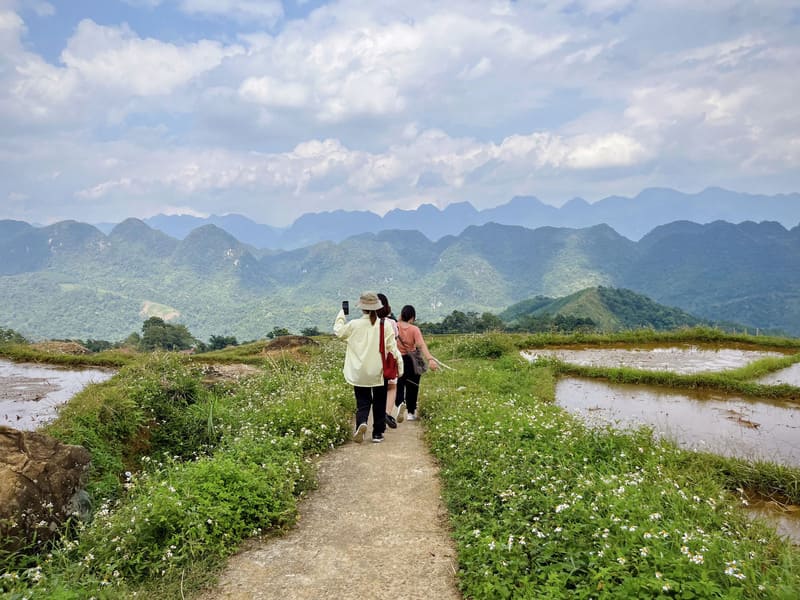
The Kampá Tour team on the trip to Pu Luong
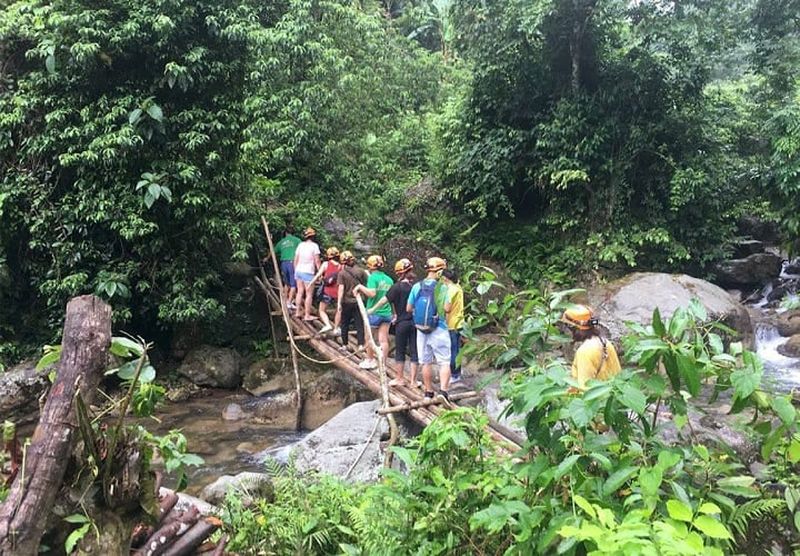
Pu Luong is also a good option if you want comfort and nature together. Many travelers stay in homestays, eco-lodges or small retreats, then explore nearby villages, rice fields, waterfalls or bamboo rafting spots during the day. Some short walks can be done independently, but for longer routes, a local guide or homestay support is useful, especially when trails are muddy after rain or not clearly marked.
Best choice if: Pu Luong is often easier to adapt than Ha Giang for families, couples or travelers over 50. It offers rice terraces, local villages and nature, but with shorter transfers, softer walks and more flexible accommodation options.
Ha Giang and Hoang Su Phi: Best for Remote Mountain Landscapes
Best for: Active travelers, photographers, cultural travelers, remote mountain scenery
Difficulty: Moderate to challenging
Ideal duration: 3 to 5 days
Best time: March to May and September to October
For travelers ready to go deeper into northern Vietnam, Ha Giang offers some of the country’s most dramatic mountain landscapes. About 6 to 8 hours from Hanoi, this far northern province is known for rocky karst scenery, high passes, ethnic minority villages and remote valleys that feel very different from the softer rice terrace areas of Sapa or Pu Luong.
Around Dong Van and Meo Vac, the scenery is wild and rugged, with the Dong Van Karst Plateau, Ma Pi Leng Pass, Hmong villages and weekly ethnic markets. This area is often explored as part of the Ha Giang Loop, but short hikes and village walks can also be added along the route for travelers who want more than viewpoints from the road.
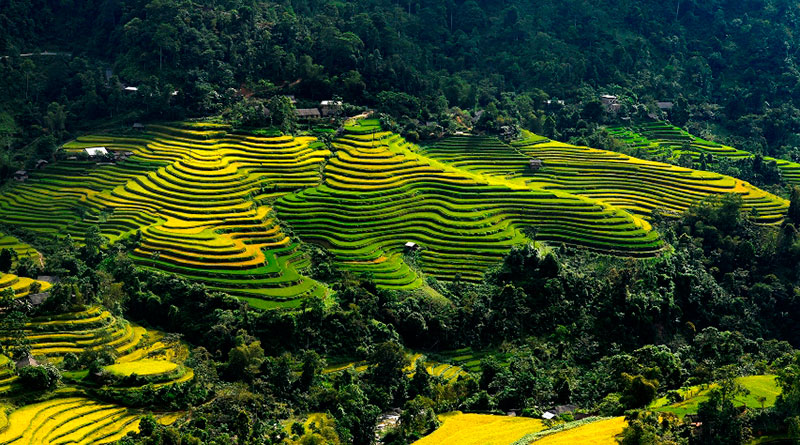
Ripe rice season in Hoang Su Phi
In the west of the province, Hoang Su Phi offers a different trekking experience. Instead of limestone plateaus, you will find rice terraces, quiet villages and multi-day walking routes through ethnic communities. It is less visited than Sapa and especially rewarding during the water season or ripe rice season.
Ha Giang is spectacular, but it is not the easiest trekking area to fit into a short Vietnam trip. Transfers are longer, routes can be remote and trail information is not always clear. For this reason, a local guide is strongly recommended if you want to trek beyond short village walks.
Hoang Su Phi, in the west of Ha Giang, is famous for its wonderful rice paddies
Good to know: Choose Ha Giang and Hoang Su Phi if you want remoteness, dramatic landscapes and cultural depth. If you have only one or two days, Pu Luong or Sapa will be easier to include. If your main goal is actual walking rather than the motorbike loop, make sure the itinerary includes village hikes or terrace routes, not only road viewpoints.
Bac Ha: Best for Ethnic Markets and Village Walks
Best for: Cultural trekking, ethnic markets, village walks, local encounters
Difficulty: Easy to moderate
Ideal duration: 1 to 2 days
Best time: Spring and autumn, especially if your visit includes Sunday morning
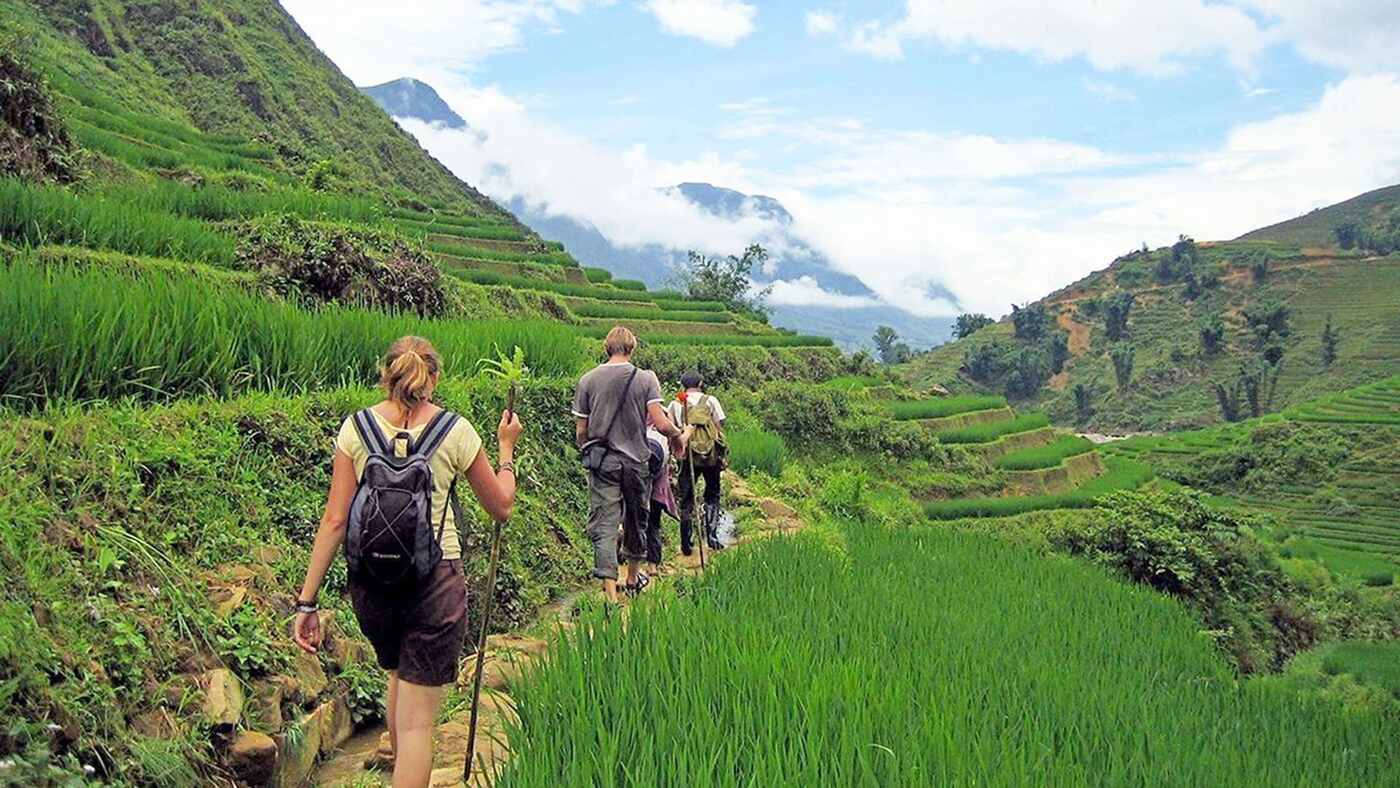
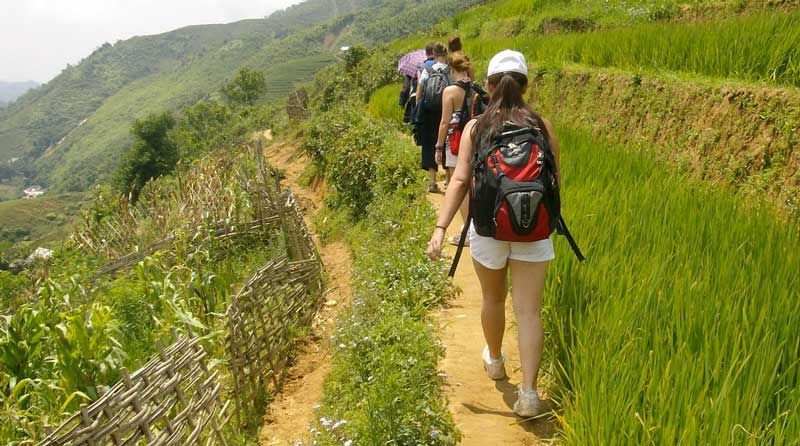
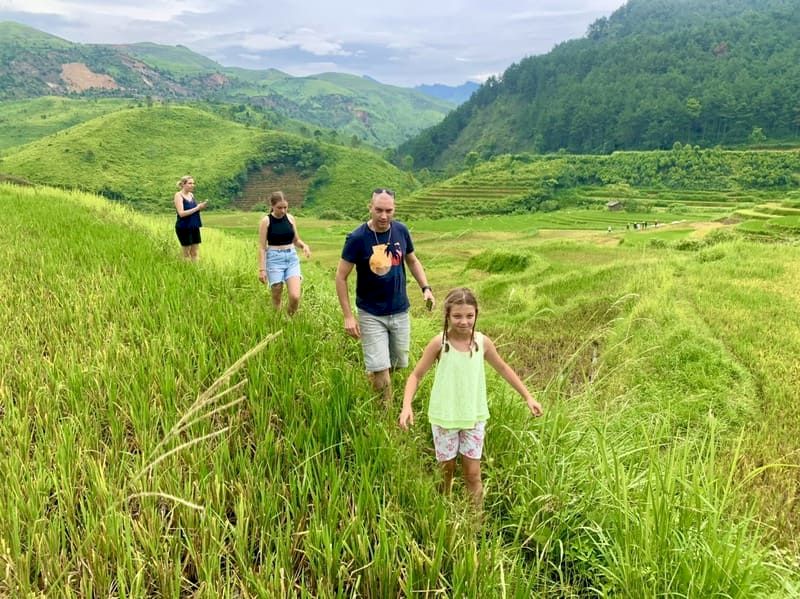
Visitors are walking through the fields with the local guide
Often visited from Sapa or Lao Cai, Bac Ha offers a more cultural and less crowded highland experience. While Sapa is better known for mountain views and rice terraces, Bac Ha stands out for its colorful ethnic markets, quieter villages and strong local atmosphere.
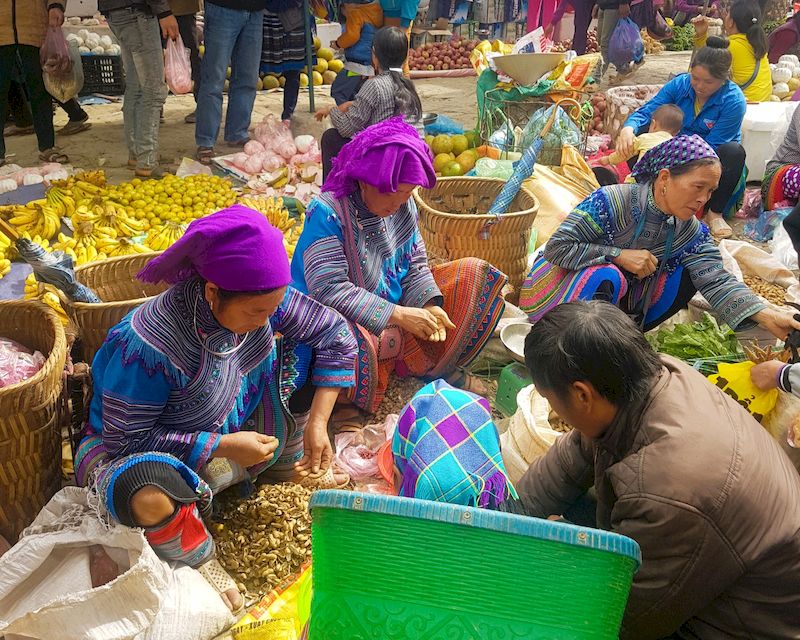
The colorful scene at an ethnic market in Bac Ha
The highlight is the Bac Ha Sunday Market, where Hmong, Tay, Dao and Nung communities gather to trade produce, textiles, livestock and local food. If possible, arrive early in the morning, before the market becomes busy with day visitors.
Ethnic women in colorful costumes in Bac Ha
Trekking in Bac Ha is usually softer and more cultural than physically demanding. Short walks can lead to nearby villages such as Ban Pho, while longer routes may pass through Na Hoi, Thai Giang Pho or Ta Van Chu, with rice terraces, plum orchards, traditional houses and local farms along the way.
Bac Ha works well if you want to combine a market visit with a village walk, especially as part of a Sapa, Lao Cai or Ha Giang itinerary. It is less developed than Sapa, so services are simpler, but the atmosphere can feel more local and relaxed.
Planning tip: Bac Ha is best planned around Sunday morning. If you want to enjoy the market properly, spend Saturday night in Bac Ha instead of rushing there from Sapa or Lao Cai with luggage.
Ba Be National Park: Best for Lake, Jungle and Homestay
Best for: Nature lovers, couples, families, soft adventure, lake scenery and homestays
Difficulty: Easy to moderate
Ideal duration: 2 to 3 days
Best time: March to May and September to November
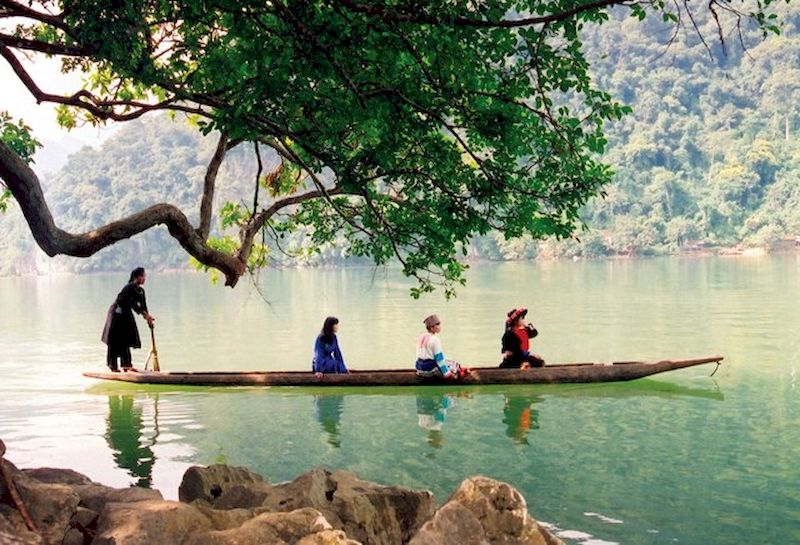
Ba Be National Park brings a different rhythm to trekking in northern Vietnam. Instead of mountain passes or dramatic rice terraces, this national park in Bac Kan province is about lake scenery, jungle trails, limestone caves, waterfalls and peaceful village life.
The heart of the park is Ba Be Lake, surrounded by green mountains and forests. A typical stay combines light trekking with a boat trip, visits to caves such as Puong or Hua Ma, Dau Dang Waterfall and time in villages around the lake. Pac Ngoi village is one of the best-known bases for travelers who want to stay with a Tay family and experience local hospitality.
Ba Be Lake is the largest natural lake in Viet Nam
Ba Be is not a hard trekking destination. It is better for travelers who want a softer nature escape, with walking, boating, homestay meals and quiet landscapes in the same trip. Some routes also pass through Tay and Dao communities, making the experience more cultural than purely physical.
Because Ba Be is less visited than Sapa or Ha Giang, services can feel simpler and information may be less easy to find. A local homestay or guide can help arrange boat trips, village walks and jungle routes more smoothly.
There are many diverse experiences in Ba Be: trekking, boating, kayaking, fishing, ancient temple visit,...
In practice: Ba Be is a good option if you want a quieter northern experience without focusing only on rice terraces. It works best when you give it at least two days, so the trip does not become only a long transfer for a short boat ride.
>>> 💡💡Let's see what makes this national park so attractive in the following article: Ba Be Lake
Phong Nha and Son Doong: Best for Cave and Jungle Expeditions
Best for: Adventure travelers, cave lovers, jungle trekking, specialist expeditions
Difficulty: Moderate to very challenging
Ideal duration: 1 to 5 days
Best time: February to August for many cave and jungle activities
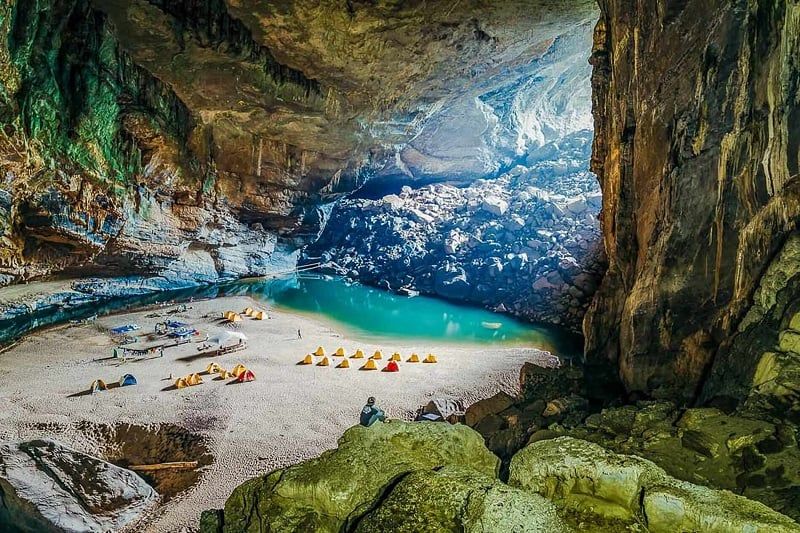
In central Vietnam, Phong Nha-Ke Bang National Park offers a very different kind of trekking experience. This is not a rice terrace destination. It is best known for jungle trails, limestone scenery, underground rivers and some of the most impressive caves in the world.
Son Doong Cave, the world’s largest natural cave, is the most famous expedition in the area. It is also the most restricted and demanding option, requiring advance booking, good fitness and a licensed operator. This is not a casual hike and cannot be visited independently.
The Excellent Beauty of the Cave
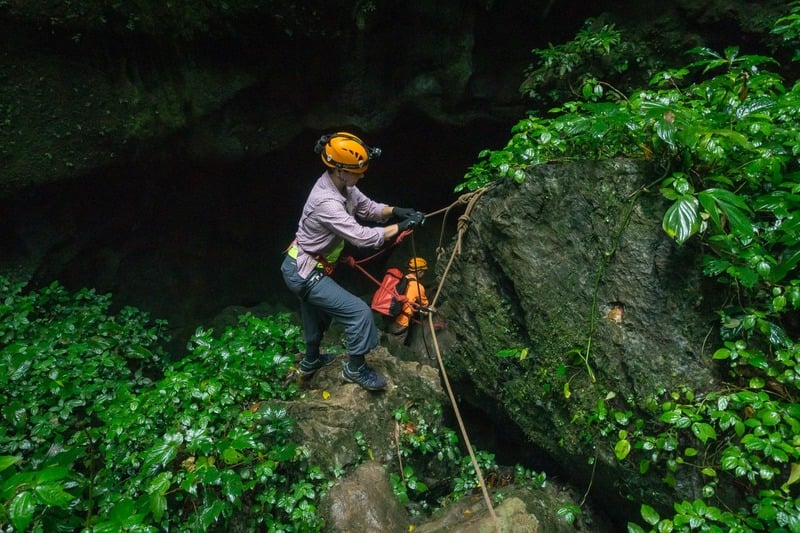
The good news is that Phong Nha offers many other cave and jungle experiences that are easier to include in a Vietnam itinerary. Travelers can explore Phong Nha Cave by boat, walk inside Paradise Cave, try adventure activities at Dark Cave, or join guided jungle and cave treks to lesser-known cave systems.
Phong Nha is best for travelers who want a specialist adventure rather than a classic mountain trek. Some experiences are suitable for active families or first-time adventure travelers, while deeper cave expeditions require more preparation and physical endurance.
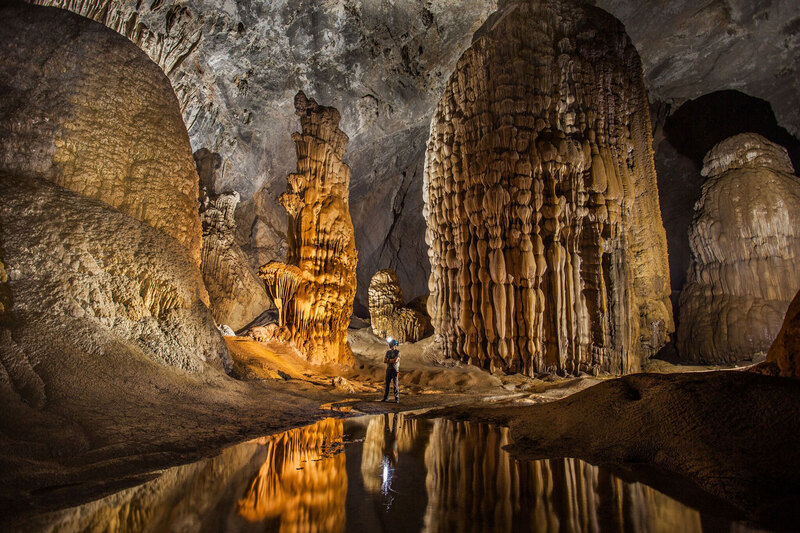
Giant stalactites in Son Doong Cave
Good to know: If Son Doong is too demanding, too expensive or unavailable, do not skip Phong Nha completely. The national park still offers excellent cave and jungle experiences that are easier to plan and more suitable for most Vietnam trips. For most travelers, one or two accessible cave experiences will be easier to fit into a classic route than a full expedition.
Other Forest Hikes in Central Vietnam and the Highlands
Best for: Short forest hikes, cool weather, waterfalls, nature breaks
Difficulty: Easy to moderate
Ideal duration: Half day to 1 day
Best time: March to May for central Vietnam, dry season for the Central Highlands
Not every trekking experience in Vietnam has to be a multi-day mountain route. If you are already traveling through central Vietnam or the Central Highlands, places such as Dalat, Bach Ma and Buon Ma Thuot can add a refreshing nature break to your itinerary.
Dalat is known for its cool climate, pine forests, waterfalls and soft adventure activities. It is a good choice for travelers who want light forest walks, canyoning or outdoor activities without committing to a hard trek.
Bach Ma National Park, between Hue and Da Nang, is better suited to travelers who want a day hike in the forest. Trails can lead to viewpoints, old hill-station sites and waterfalls, making it an easy nature escape from central Vietnam’s cultural cities.
Buon Ma Thuot in June
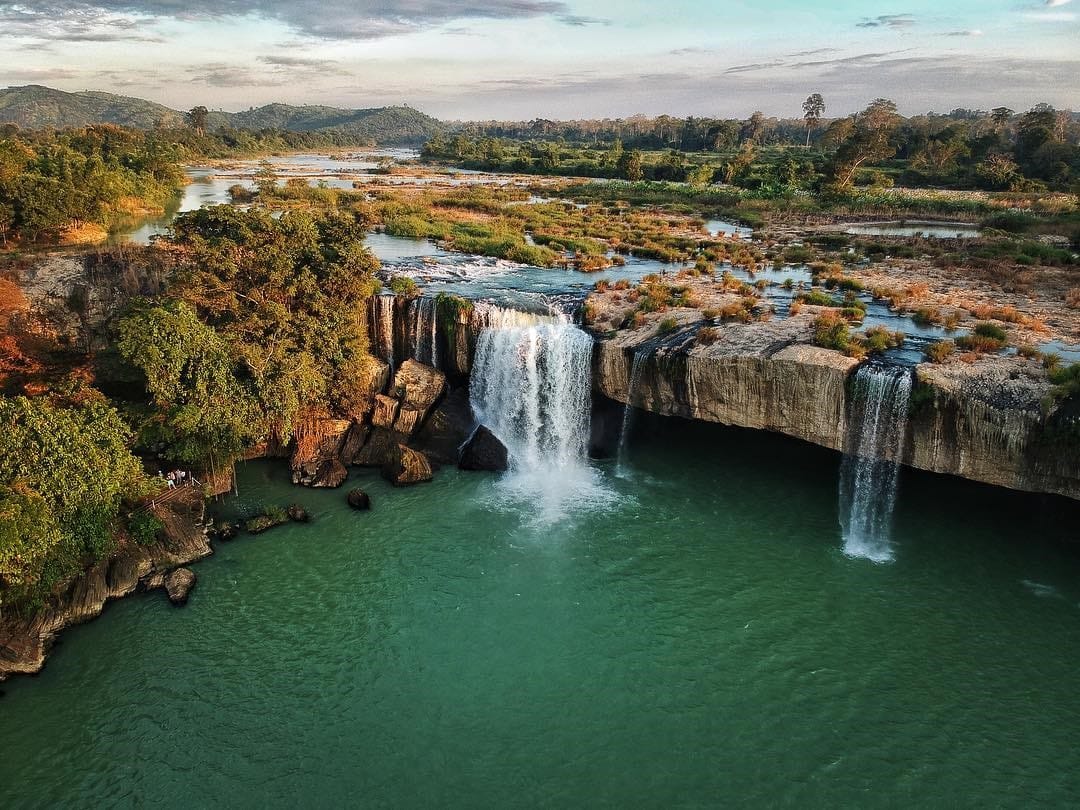
In the Central Highlands, Buon Ma Thuot and the surrounding Dak Lak area offer a more off-the-beaten-path experience, with coffee plantations, waterfalls such as Dray Nur, ethnic villages and access to the Yok Don area. This is not a major trekking hub, but it can be interesting for travelers who want nature, culture and rural landscapes away from the usual route.
These destinations are best seen as add-ons, not the main reason to plan a trekking trip to Vietnam. They work well for travelers who want a softer forest hike or a cool-weather break between cultural visits.
Best choice if: Choose Dalat, Bach Ma or the Central Highlands if they already fit your Vietnam route. For a trip focused mainly on trekking, northern Vietnam and Phong Nha remain stronger choices.
Con Dao and Southern Vietnam: Best for Island and Light Nature Hikes
Best for: Island nature, forest trails, sea views, quiet beaches, light hiking
Difficulty: Easy to moderate
Ideal duration: Half day to 1 day for hiking, 2 to 3 days for the island stay
Best time: Dry months in southern Vietnam
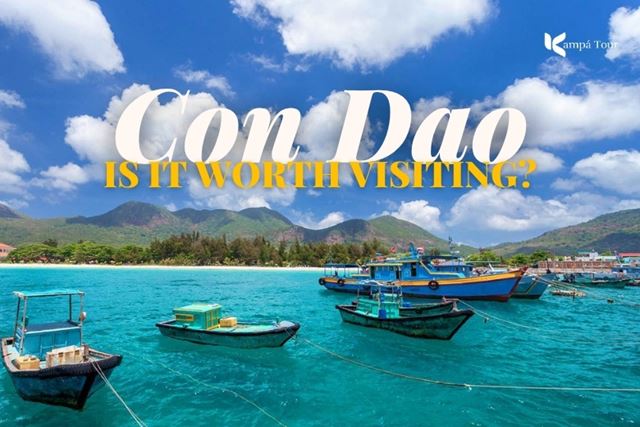
In southern Vietnam, trekking is less about mountains and more about light nature walks, national parks and coastal scenery. The best example is Con Dao, an island archipelago known for its forested hills, quiet beaches, sea views and protected natural landscapes.
In Con Dao National Park, hiking is usually light and nature-focused. Trails can lead through tropical forest to viewpoints, beaches or quiet corners of the island. This makes Con Dao a good choice if you want to combine beach time with short walks, sea views and wildlife watching, rather than a demanding multi-day trek.
Con Dao also has a slower and more peaceful atmosphere than many better-known beach destinations in Vietnam. It is best for travelers who enjoy nature, silence and simple exploration. It is less suitable if you are looking for nightlife, busy beach resorts or classic mountain trekking.
If this section is expanded, southern Vietnam can also include Cat Tien National Park for forest and wildlife experiences, or Nui Cam in An Giang for a light mountain walk in the Mekong Delta region. However, these should be treated as nature add-ons, not major trekking hubs.
In practice: Con Dao is better for short nature hikes than classic mountain trekking. It is ideal if you want forest trails, sea views and quiet beaches in the same trip. It works better as a beach and nature extension than as the core trekking part of a Vietnam trip.
Practical Tips for Trekking in Vietnam
1. What are the best periods for trekking in Viet Nam?
In the north:
North Viet Nam's best trekking periods are from September to November and from March to May, when in general the weather is quite dry and cool enough to bring pleasure on treks. It is better to avoid the summer months (June to August), which can be very hot and humid, as well as winter (December to February), when the temperatures can be very low and the trails could be high in snow and ice.
While it might be the rainy season (from June to September) at times, it may make a few hikes harder because of muddy and slippery roads.
A family, the Kampá Tour traveler, on an excursion through Sapa
Inside Son Doong Cave, the central region:
In the Son Doong - Phong Nha region, there are four seasons a year. Due to weather and safety concerns, only visits to Son Doong from January until the end of August are permitted.
During September to December, there will be no guests allowed into the cave for safety and ecosystem restoration. It is best to visit between January and March for cold months, or in April to May for climate change. Check the mentioned article above for weather information.
Plan your trip in advance: It is important to plan your itinerary and make reservations in advance to avoid disappointments and unforeseen events.
Prepare physically: Some hikes can be difficult and exhausting, so it is important to prepare physically to fully enjoy the experience.
Bring the right gear: Make sure you have comfortable hiking shoes, a sturdy backpack, appropriate clothing for the weather conditions, water, and snacks for the hike.
Hire a local guide: Local guides are very helpful in navigating rural areas and offer a unique cultural and historical perspective on the region.
Experience sleeping in the homes of locals: It is a unique and enriching experience to discover the local culture and traditional customs.
A tourist exploring Son Doong Cave
Bottom Line
The trekking experience in Vietnam not only offers the challenge of conquering nature but also a deep cultural immersion, especially in the northern mountainous region. With the suggestions of these 12 trekking destinations, have you been able to identify which one is the most suitable for you? We hope that with this useful information and practical tips, you will have a successful and enriching trip in this beautiful country.
Planning your trip?
Save time and get expert advice for FREE!
✅ 15 years of local experience
✅ Save up to 40 hours of planning
✅ Travel stress-free from start to finish
Book your free consultation today!





 Our team
 Our team
 Our team
 Our team





 Other
Other Add us as a preferred source