Key Takeaways
Vietnam agritourism is a fast-growing sustainable travel model that increases rural incomes, preserves traditional farming heritage, and offers hands-on experiences for travelers.
The Regions
- Highlands (Sapa, Buon Ma Thuot, Dalat): Best for teens and adventure seekers. Focus on rice terraces, coffee “from bean to cup,” tea hills, and high-tech smart farming.
- Lowlands (Hoi An, Mekong Delta, Phong Nha): Best for families and food lovers. Focus on organic gardens, basket boating, duck farms, and muddy ditch fishing.
The Timing
- May to October: Golden rice season in Northern Vietnam.
- November to March: Coffee harvest and coffee blossoms in the Central Highlands.
- June to August: Peak fruit season in the Mekong Delta.
Why is Vietnam the World's New Agritourism Hub?
The surge in agritourism is a direct response to a global craving for authenticity. Travelers today are moving away from mass-market, uninspired tours in favor of something real. Vietnam is uniquely positioned to lead this trend as a global food basket; as the world’s second-largest coffee exporter and a top-three rice exporter, agriculture is truly the nation's lifeblood.
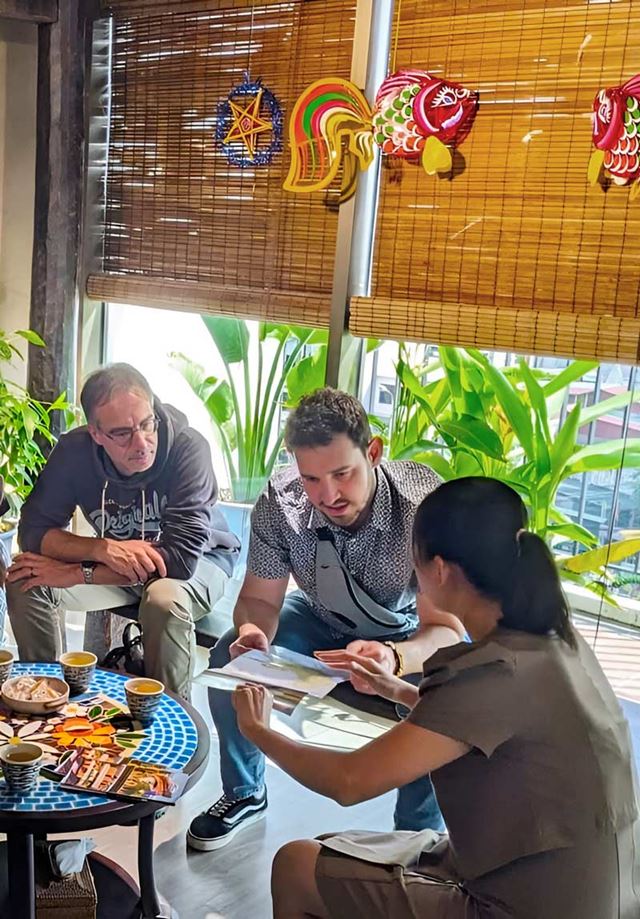
Beyond the scenery, the real magic lies in the socio-economic transformation. Agritourism has emerged as a formidable driver of rural poverty reduction. According to VNEconomy, with over 600 models now active, this sector is projected to account for 15% of all tourist arrivals by 2025. By embracing farm-based experiences, local households have seen their incomes double or even quadruple, creating a critical economic safety net against climate change and market volatility. This is more than tourism; it is a sustainable movement preserving ancient heritage while securing the future of rural Vietnam.
When is the best time to go agritourism?
Timing is everything. Because Vietnam is so long and diverse, you aren't just picking a month; you’re picking a landscape. Depending on when you land, the same farm can look like a shimmering mirror or a sea of gold.
The North: The Great Rice Cycle
In the northern highlands like Sapa or Mu Cang Chai, the mountains follow a strict, ancient rhythm.
- The Watering Season (May – June): This is when the terraces are flooded to prepare for planting. The mountains look like giant, curved mirrors reflecting the sky. If you don't mind getting a little muddy, this is the best time to join the Hmong farmers in the "art of planting." It’s hard, honest work, but incredibly rewarding.
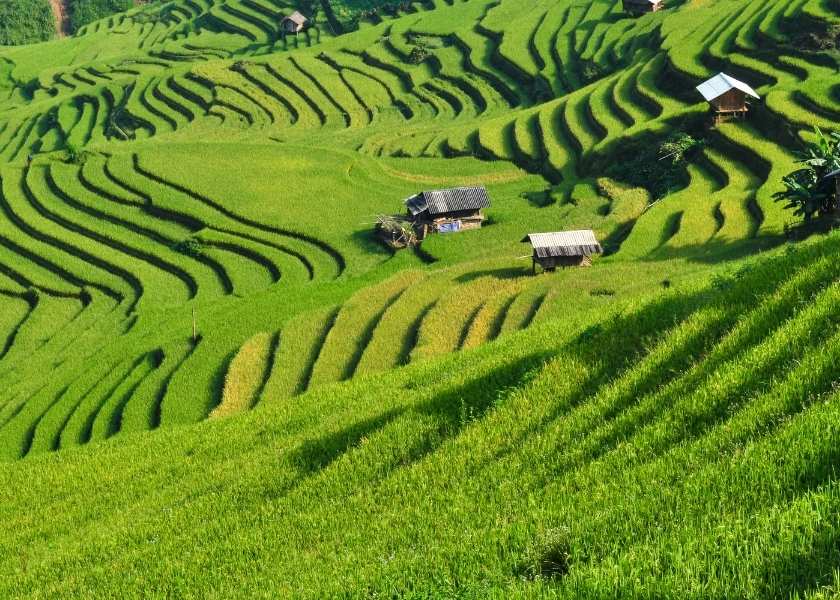
- The Golden Season (September – October): This is the "blockbuster" moment. The emerald green turns into a brilliant, shimmering yellow. The air smells like ripe grain, and the hills are buzzing with energy as everyone heads out for the harvest. It’s the best time for photography and leisurely walks through the paddies.
The South: The Mekong "Fruit Rush"
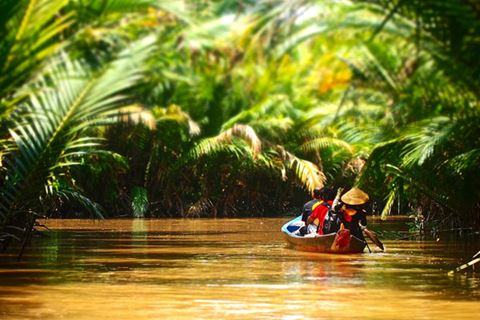
Down in the Mekong Delta, things work differently. While the delta is lush year-round, the "Fruit Rush" from June to August is the real highlight. This is when the orchards are literally heavy with durian, mangosteen, and rambutan. It’s a tropical buffet where you can pick fruit straight from the branch while navigating the small canals by boat.
.jpg)
The Highlands: Coffee Blossoms & Red Berries
In the Central Highlands (Buon Ma Thuot & Dalat), the seasons follow the scent of coffee:
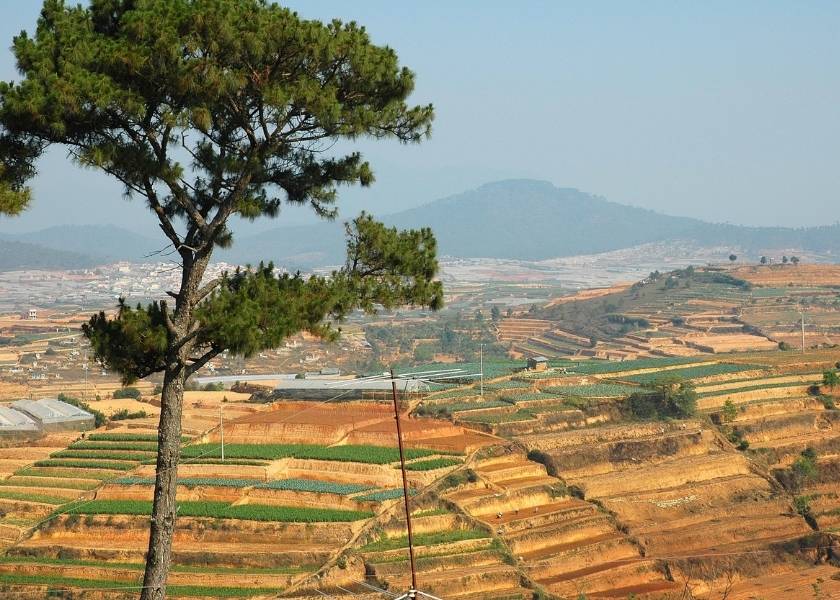
- The White Sea (February – March): For a few weeks, the coffee hills turn white as the trees blossom. It looks like a light dusting of snow in the tropics, and the fragrance is intoxicating.
- The Harvest (November – January): If you want to see the "From Bean to Cup" process in action, this is your window. You can help pick the bright red coffee cherries and see how they are processed and dried in the sun.
The North
Sapa
Forget the "Asian Alps" clichés for a second. Sapa is about something much more grounded. It’s about the mist, the earth, and the incredible resilience of the Hmong people, whose ancestors carved these mountain slopes into a living masterpiece. When you talk about agritourism in Sapa, you’re talking about a lifestyle that hasn't changed its rhythm for centuries.
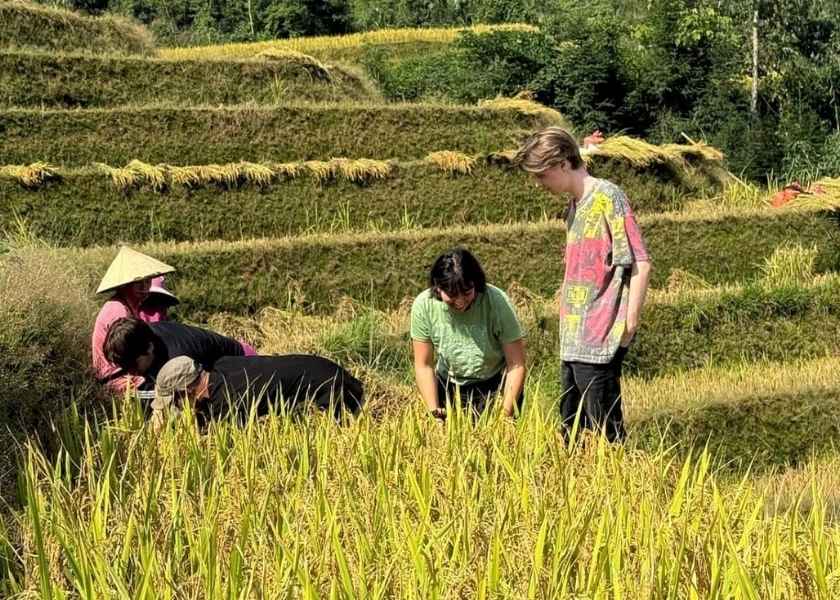
The ultimate outdoor classroom: Young travelers join local families to harvest the autumn crop on Sapa’s high-altitude terraces.
The experience here is visceral. It’s not just about the view; it’s about the feeling of cool, slick mud between your fingers during the planting season, or the heavy, sun-baked scent of grain that sticks to your skin during the harvest. When you’re out there in the paddies, helping a local family, you aren't a spectator; you’re part of the landscape.
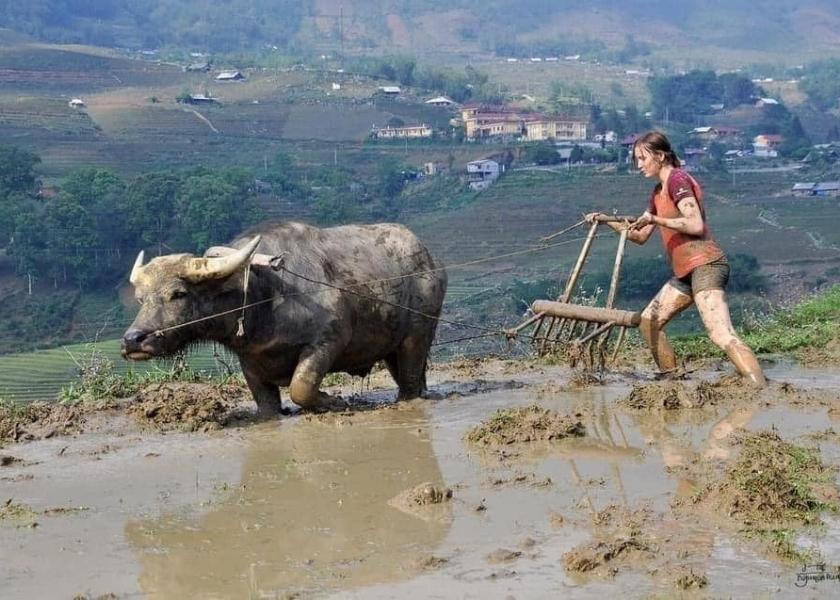
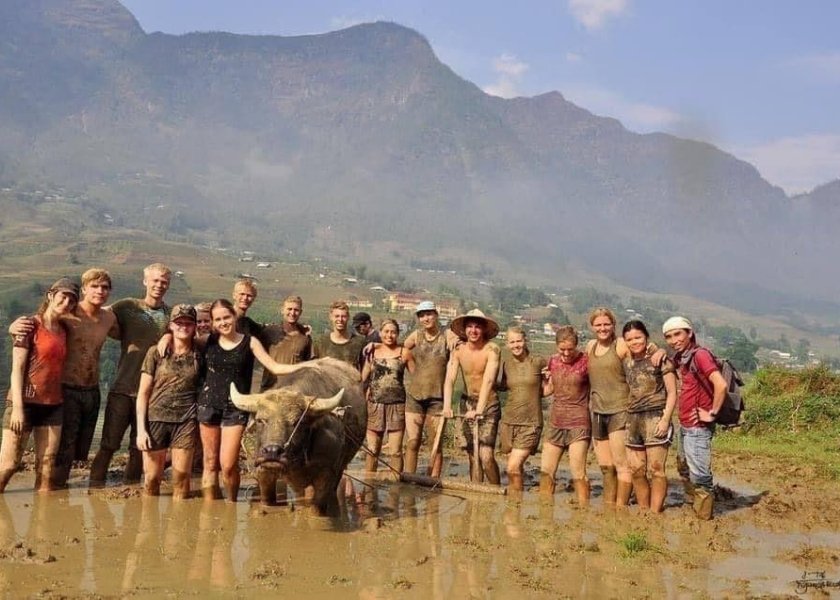
Forget the gym! Buffalo ploughing in the Sapa rice terraces offers a hands-on lesson in the ancient rhythm of the northern highlands.
When your legs are heavy from the day's trek, the Red Dao people offer a different kind of harvest. Their mountain gardens are living pharmacies, filled with ancient healing plants. There is something deeply grounding about picking your own herbs and seeing them tossed into a steaming wooden tub for your evening bath. It’s the original "farm-to-spa" experience: soaking in the forest’s wisdom while the mist settles over the valley.
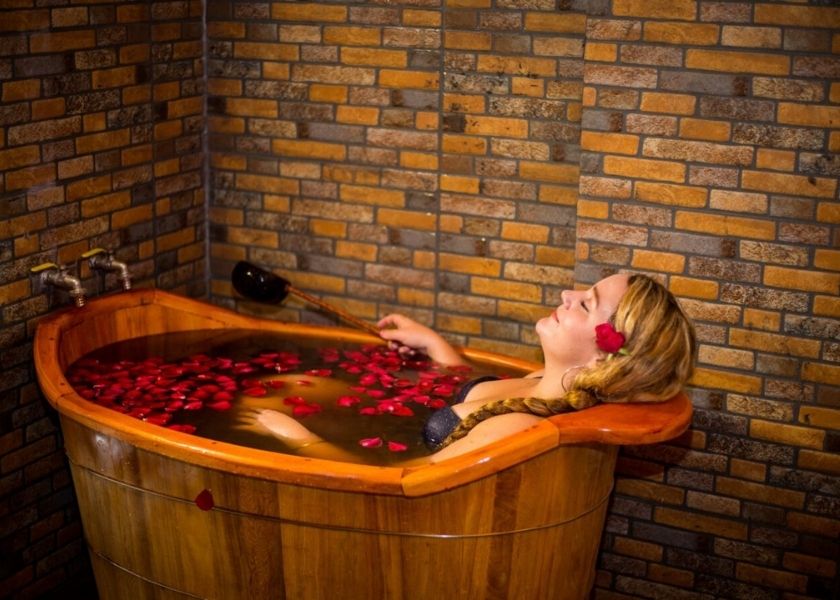
The original 'farm-to-spa' experience: Red Dao herbal baths use ancient healing plants harvested directly from Sapa’s mountain gardens.
Ninh Binh
If Sapa is a masterclass in mountain carving, Ninh Binh is a symphony of water and stone. In 2025, the Trang An Landscape Complex was named "Best of the Best” in Tripadvisor’s Travellers’ Choice Awards, placing it among the top 1% of destinations worldwide based on traveler reviews. Often referred to as "Ha Long Bay on Land", the region is breathtaking, but it’s the farmers who truly breathe life into the limestone peaks.
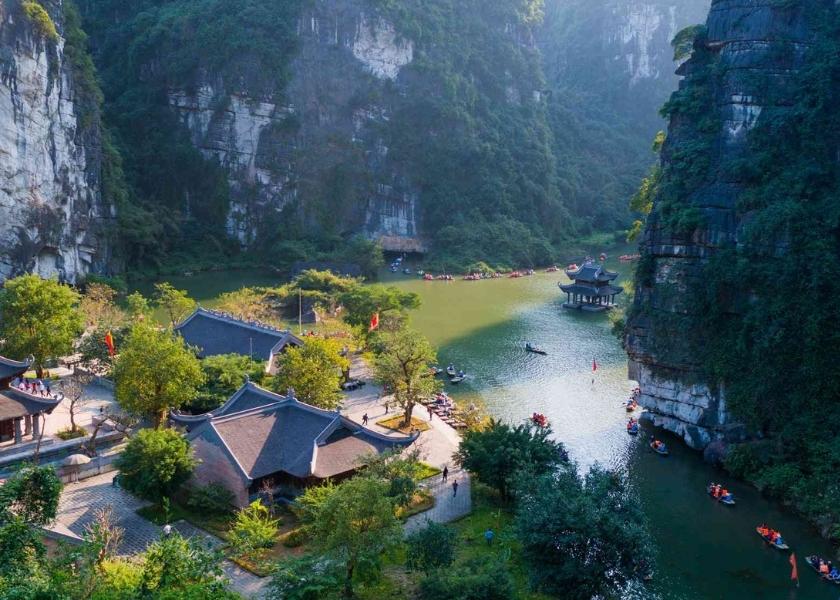
A symphony of water and stone: The Trang An Landscape Complex, where agriculture and ancient peaks intersect.
In Tam Coc, agriculture is closely tied to water. You’ll see farmers wading through flooded rice paddies during the planting and harvesting seasons, a rhythm that has shaped this landscape for generations. Along the routes of Trang An, particularly in late spring and early summer, sections of the waterways are dotted with lotus and water lilies, turning a simple boat ride into something that feels like a floating garden.
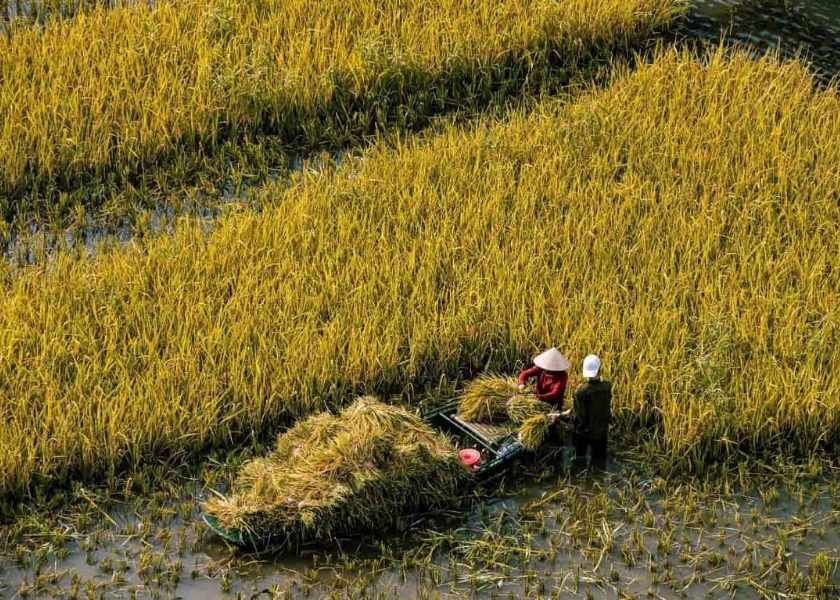
A harvest like no other: In Kha Luong Village, the flooded paddies mean farmers swap buffaloes for boats to transport the golden crop.
But for a truly visceral experience, you have to get off the boat. Agritourism here is about the grit and the reward. In some local villages and community-based tourism settings, visitors can step into the mud and observe or try traditional ploughing methods with a water buffalo, offering a glimpse into practices that once defined rural life and are still maintained in certain areas.
And when the work is done, the farm-to-table reward feels tangible. At selected homestays, guests may have the chance to cast a traditional fishing net into local ponds before sharing a freshly prepared meal, experiencing the journey of food from water to plate.
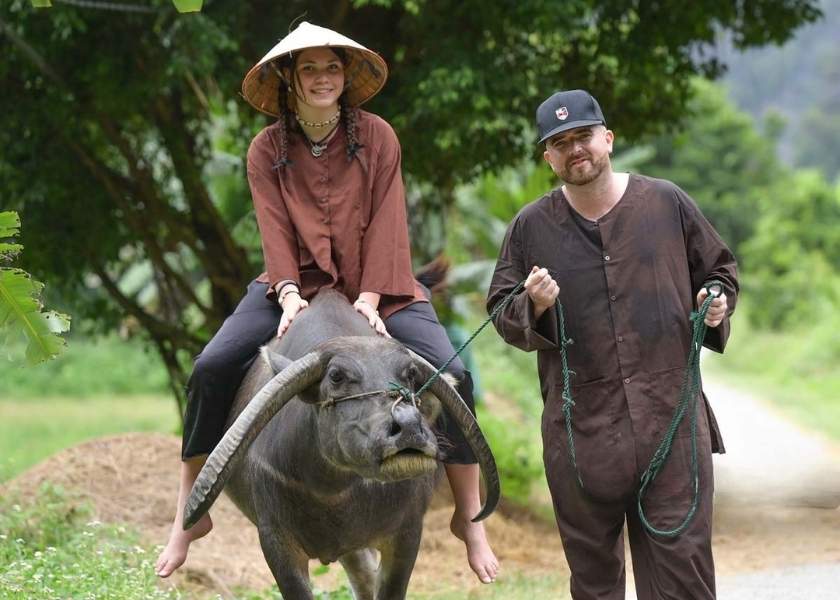
Becoming part of the landscape; travelers swap their hiking boots for a slow-paced buffalo trek through the ancient limestone corridors of Tam Coc.
Moc Chau
Leaving the rugged peaks behind, you’ll find yourself in Moc Chau, a highland plateau that feels like a breath of fresh air. Stretching across over 200,000 hectares, this is the "Green Heart" of the North, where the Thai, Muong, and Hmong people have turned rolling hills into a fertile wonderland.
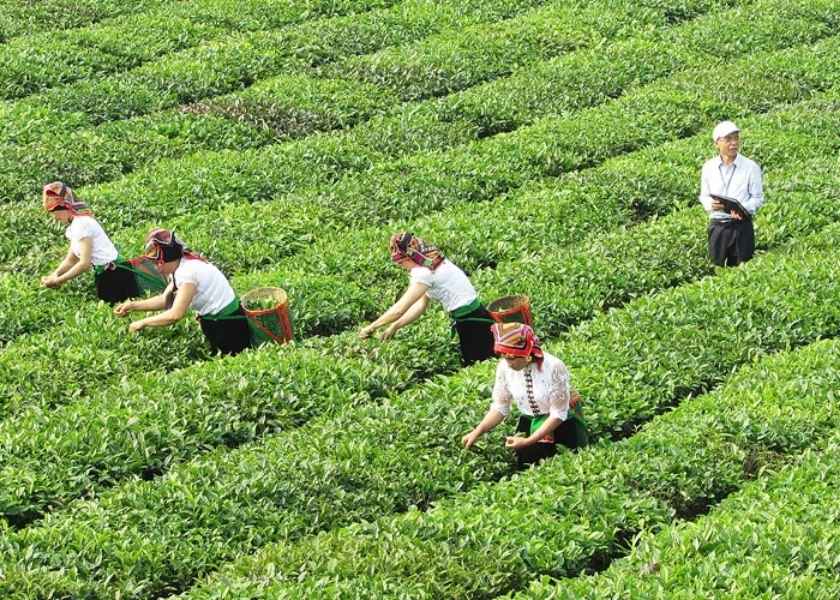
Experience the fragrance of fresh tea leaves while moving through emerald hills that look like green waves frozen in time in Moc Chau.
The scale here is breathtaking, but the experience is surprisingly intimate. It’s about the fragrance of fresh tea leaves as you join local harvesters on the emerald hills, moving through rows of tea that look like green waves frozen in time. Depending on when you visit, the valleys transform from the delicate white of plum and apricot blossoms to the vibrant "snow" of white mustard flowers and the rustic pink of buckwheat.
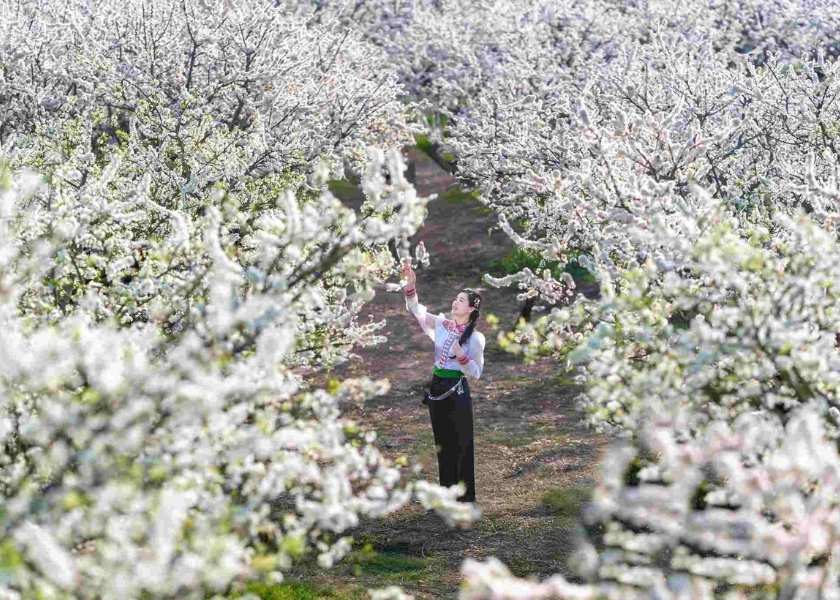
Depending on when you visit, the valleys of Moc Chau transform into a delicate sea of white plum blossoms.
But Moc Chau offers a different kind of "farm-to-table" story, one that’s creamy and rich. As home to some of Vietnam’s most iconic dairy farms, the experience here is hands-on and wholesome. You can spend a morning learning the art of milking, followed by workshops on making fresh cheese and yogurt.
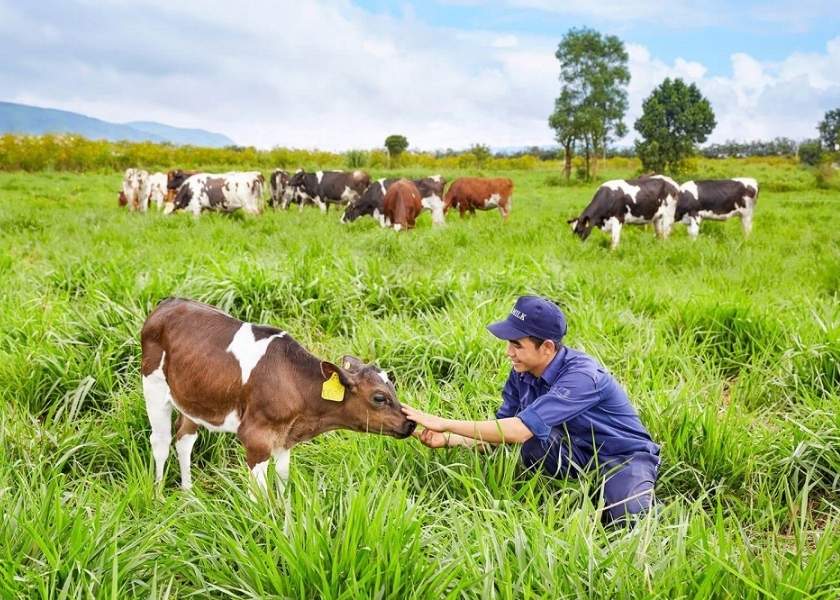
Discover the 'creamy' side of Moc Chau’s agriculture at its iconic dairy farms, where visitors can learn the art of milking and fresh cheese making.
The Central Coast
Phong Nha: The "Duck Stop"
Just a stone's throw from the world-renowned Son Doong Cave lies a place that has taken TikTok by storm: The Duck Stop. It’s a total shift in energy, from the silent, dark depths of the earth to the chaotic, quacking joy of "Duck Heaven".
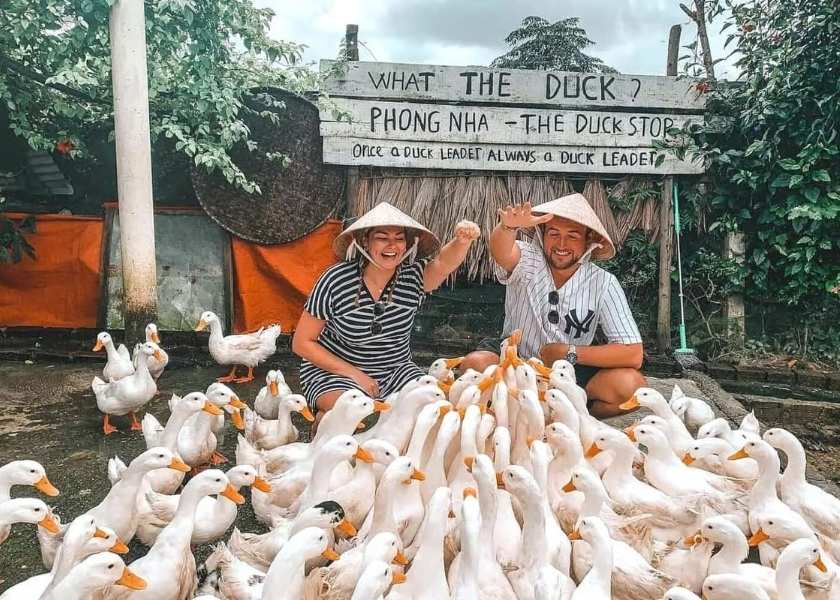
Ticklish, messy, and 100% unforgettable; meeting the feathered welcoming committee at the legendary Duck Stop in Phong Nha.
Home to over 120 adorable ducks, this farm offers something you won't find in any luxury spa: the legendary "Duck Massage". It sounds ridiculous until you’re surrounded by a feathered welcoming committee eagerly pecking for seeds from your hands. It’s ticklish, messy, and 100% unforgettable.
But the fun doesn’t stop with the ducks. You can also meet the farm’s cleverest residents: the water buffaloes. Hopping on the back of your new "best friend" for a slow-paced trek through muddy ditches is a rite of passage here. These buffaloes are pros. They know the shallow paths by heart, ensuring you look like a seasoned Vietnamese farmer even if it’s your first time in the saddle. It’s the ultimate "low-tech" adventure that leaves everyone laughing.
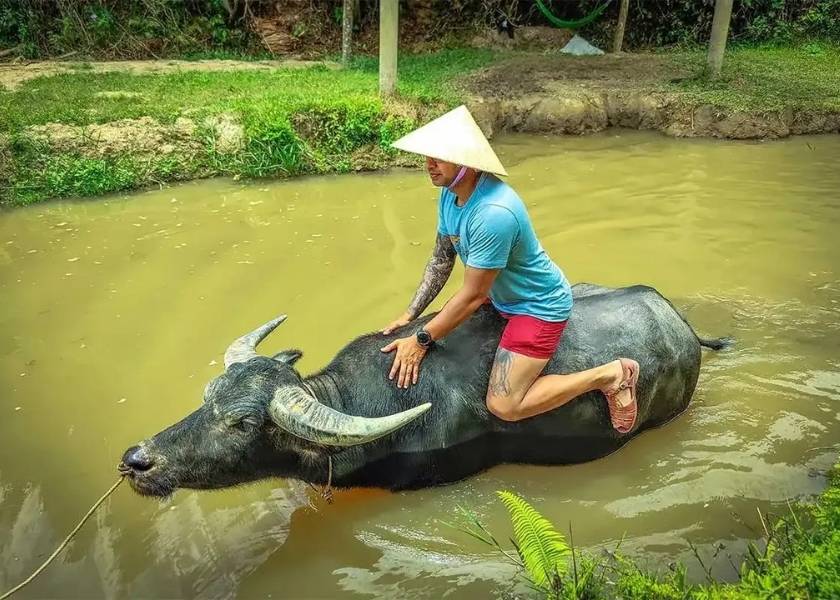
Hopping on the back of your new 'best friend' for a slow-paced buffalo trek at the viral Duck Stop in Phong Nha.
Hoi An: Tra Que Vegetable Village & Basket Boat Fishing
If you want to see where Hoi An’s famous food actually starts, skip the Old Town for a morning and head 3 km out to Tra Que. Recently named the Best Tourist Village of 2024, this isn't a "show farm"; it’s a functional organic hub that’s been chemical-free for centuries.
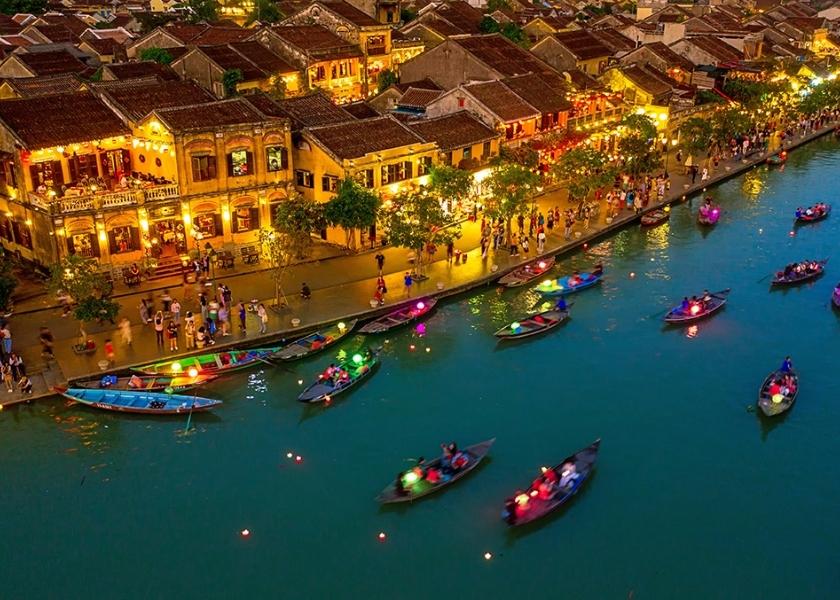
Hoi An at night
Participating in an Organic Gardening Workshop here is a lesson in precision. You’ll learn the "art of the rake" to create perfectly aerated beds and master the iconic technique of balancing two traditional watering cans on a shoulder pole. It’s a rhythmic, meditative process that explains why the herbs here, the backbone of Cao Lau and Banh Xeo, have such an intense, unforgettable aroma.
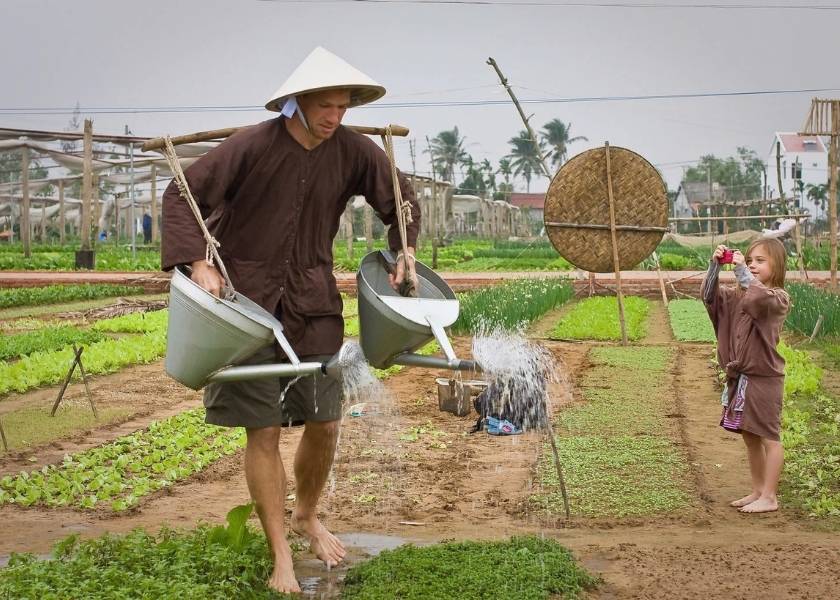
A father demonstrates traditional organic gardening techniques to his daughter at the centuries-old Tra Que Village.
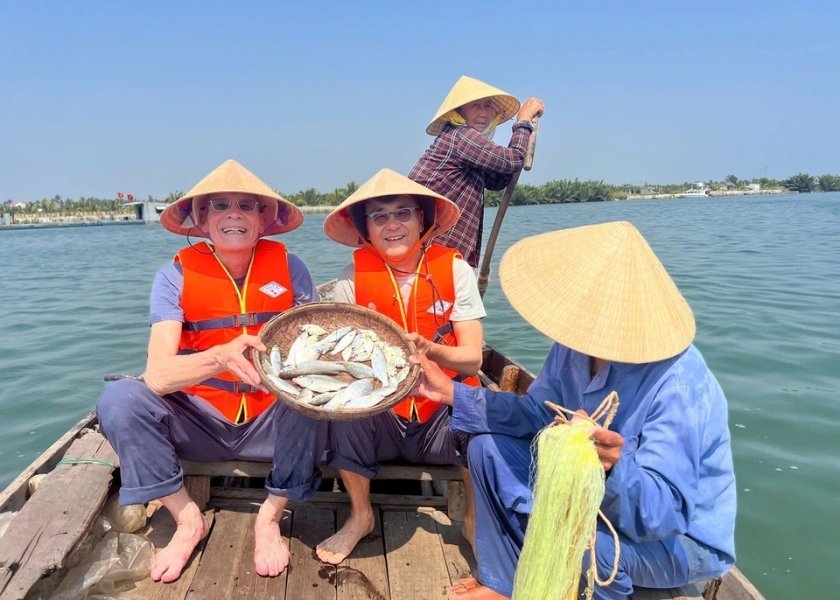
After the garden, head to Cam Thanh Coconut Forest. Forget the romantic wooden boats; here, you’ll hop into a Basket Boat (Thung Chai). It’s the local way to navigate the narrow palm canals. You’ll have a go at casting a throw net with the fishermen, a skill that’s a real workout. If you're lucky, your catch can be part of your lunch, paired with the greens you harvested earlier.
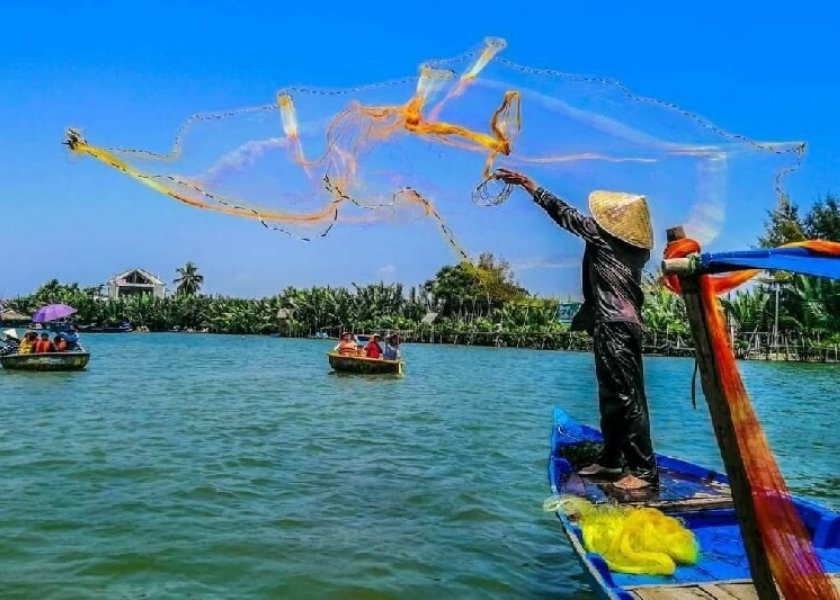
Travelers can learn the traditional skill of casting a throw net while navigating the palm canals of Cam Thanh.
To see the "circular economy" in action, stop by Tan Bamboo Workshop. It’s an eye-opener on how agricultural materials are upcycled. You’ll see bamboo transformed from a humble plant into durable, high-end products, showing how Hoi An is leaning into plastic-free, sustainable tourism.
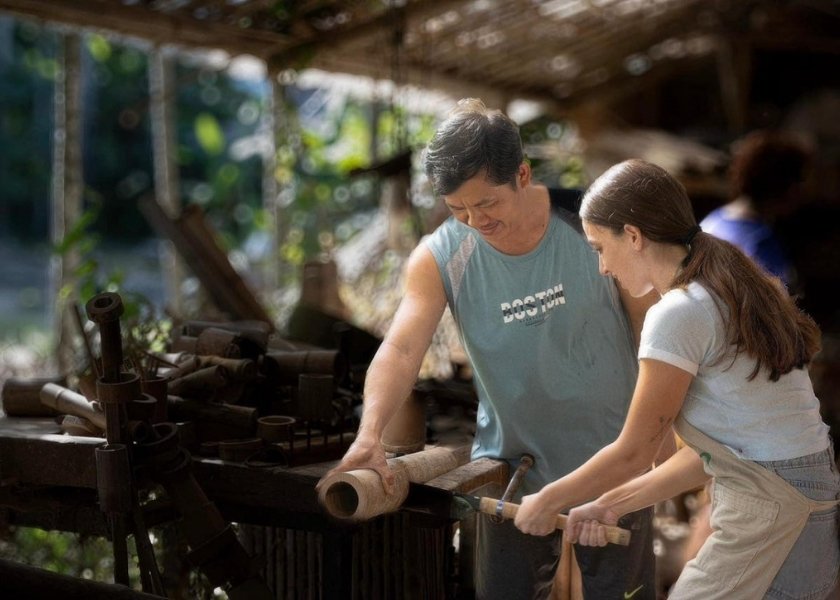
A traveler learns how to upcycle agricultural materials into high-end, durable products at the Tan Bamboo Workshop
The Central Highlands
Buon Ma Thuot: From Bean to Cup
In Buon Ma Thuot, coffee isn't just an export; it’s the air everyone breathes. As the world’s top Robusta exporter, this isn't a place for "staged" tourism. You’re coming here to see the actual mechanics of an industry that keeps the Central Highlands humming.
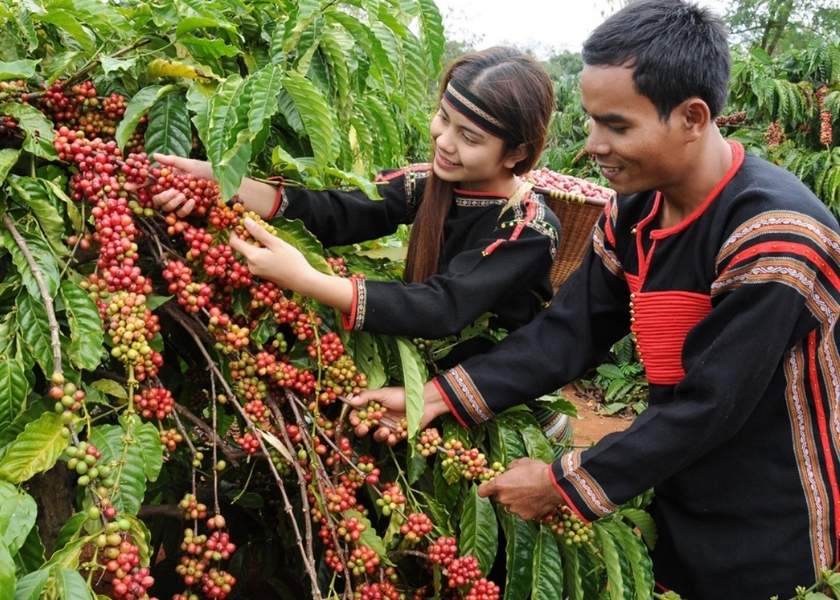
Joining Ede farmers in Buon Ma Thuot to hand-pick ripe cherries during the peak harvest season.
The best way to do this is to get out into the fields with the Ede farmers. They’ve been the stewards of this red volcanic soil for generations, and they’ll show you the real "bean to cup" cycle, from the grit of harvesting and sun-drying to the precision of roasting. There’s something uniquely grounding about watching a traditional phin filter drip slowly after a day spent in the rows.
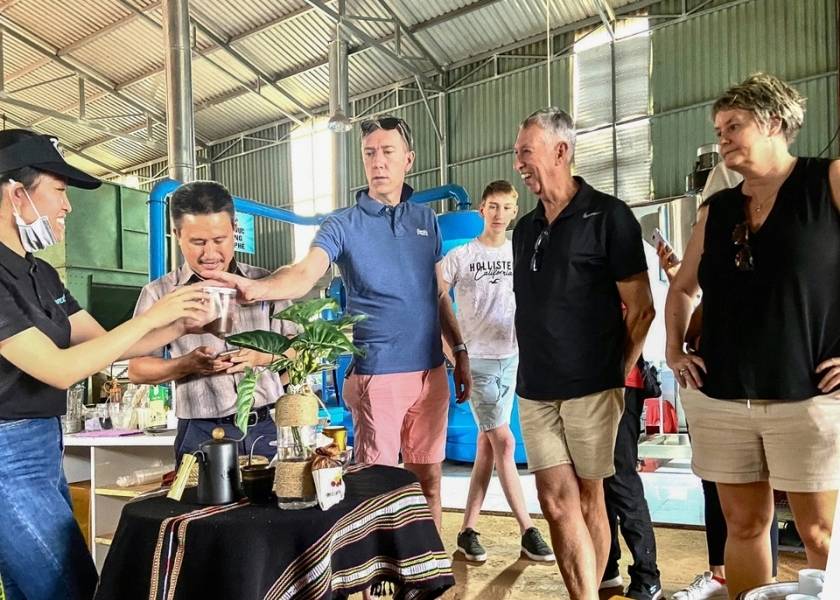
Exploring the science of flavor as travelers learn the secrets of roasting and brewing at a local coffee factory in the Highlands.
What’s even more interesting is how little goes to waste. It’s a very resourceful culture; you’ll see coffee grounds being repurposed into things like organic soaps and scented sachets rather than being tossed out. It’s a practical, "zero-waste" approach that’s been around long before it became a buzzword.
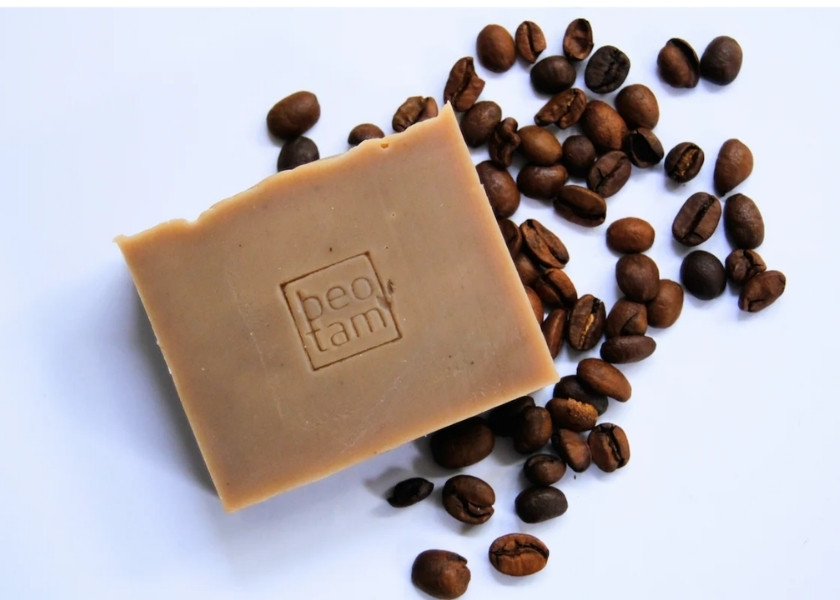
Repurposing coffee grounds into aromatic organic soaps; a practical 'zero-waste' approach in Buon Ma Thuột.
If you happen to visit between February and April, the landscape does something incredible. The hills turn completely white with coffee blossoms. It looks like a light dusting of snow across the tropics, and the scent, a mix of jasmine and orange blossom, is everywhere.
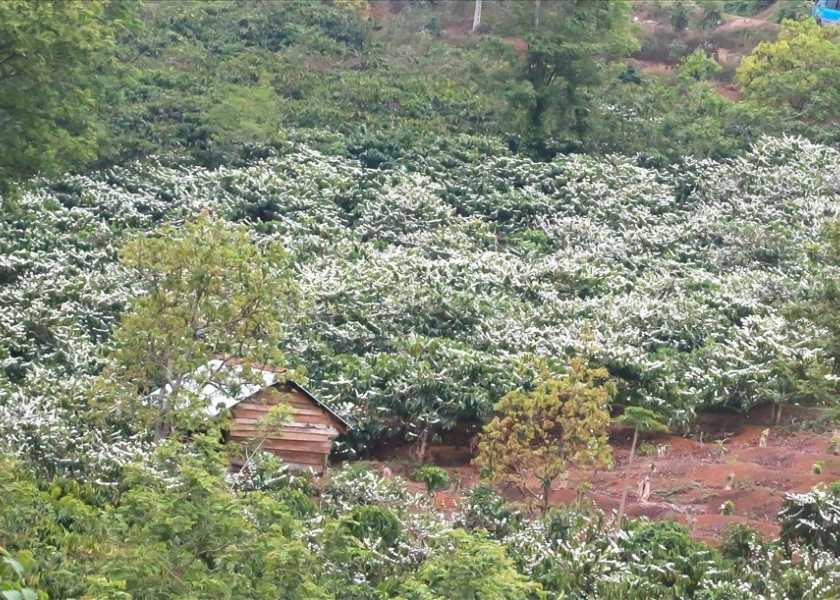
For just a few weeks each year, the valleys of Buon Ma Thuot transform into a fragrant sea of white coffee blossoms.
In addition, don't ignore the cocoa orchards. The same fertile soil that produces world-class coffee is also fueling a rising chocolate scene. Watching the fermentation of cocoa pods and tasting the final result is a great alternative or addition to the coffee trail, especially for anyone with a sweet tooth.
Dalat: High-Tech Strawberries & Flowers
If the Central Highlands is the heart of coffee, Dalat is the brain of Vietnam’s "Smart Farming" revolution. Thanks to its year-round cool mist, this isn't just a place to look at flowers; it’s a high-tech hub where traditional villages meet state-of-the-art glasshouses.
- The Flower Villages: Instead of just one garden, you should head to the centuries-old villages like Van Thanh or Ha Dong. This is where you’ll see the scale of production. Depending on the month, the hills are painted with everything from French hydrangeas and lavender to the iconic purple jacarandas and the golden wild sunflowers that define the city's outskirts.
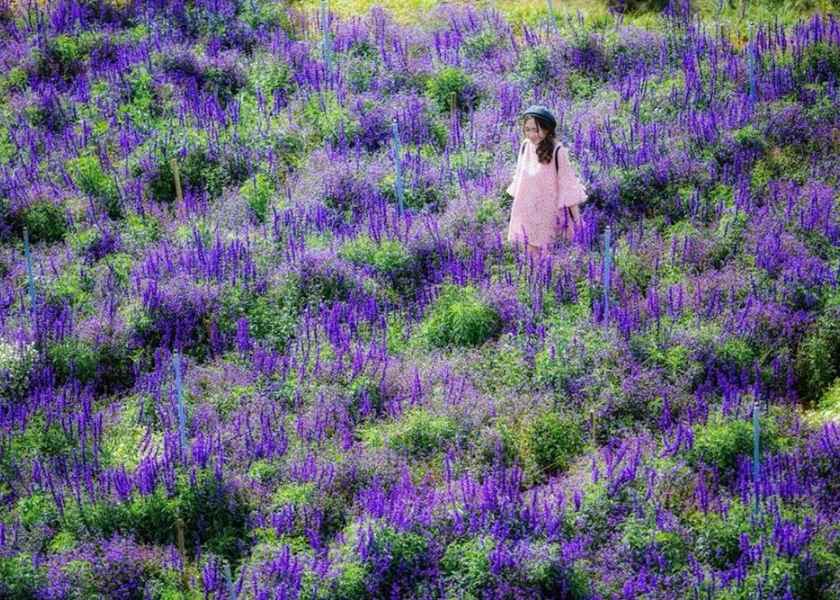
Da Lat's cool mountain air and rich soil create the perfect sanctuary for its vast fields of vibrant purple lavender.
- Beyond the Basket: Hydroponic Strawberries. You’ll find strawberry gardens everywhere, but for the real agritourism experience, look for the hydroponic farms. It’s a complete shift from traditional soil farming. You’ll see strawberries grown on vertical pillars or hanging "flying" beds in climate-controlled environments. It’s clean, efficient, and, let’s be honest, makes for a much better picking experience and photo than crouching in the mud.
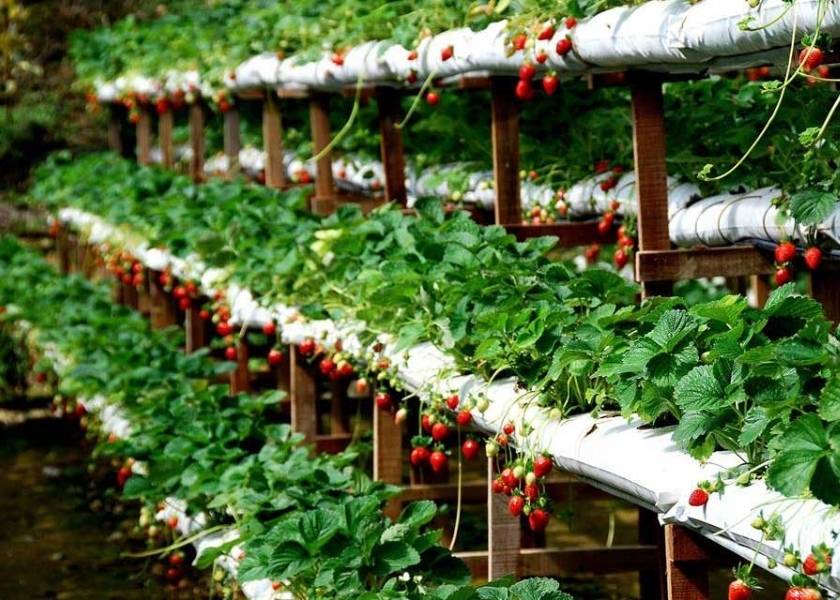
Ripe red strawberries hanging from tiered vertical farming systems in a high-tech garden in Da Lat, Vietnam.
The South
Ben Tre & Vinh Long
In the Mekong Delta, agriculture is something you do, not just something you see. As Vietnam’s largest fruit hub, the experience here is all about getting your hands dirty and eating exactly what you harvest.
- Vinh Long (The Fish Catch): Forget the tour bus; it’s time to swap your clothes for the traditional Ao Ba Ba (farmer's pajamas) and jump into the mud. You’ll join locals in "Tat Muong Bat Ca", draining a canal to catch snakehead fish by hand. It’s chaotic, muddy, and ends with the ultimate farm-to-table meal: fish grilled over rice straw right in the orchard.
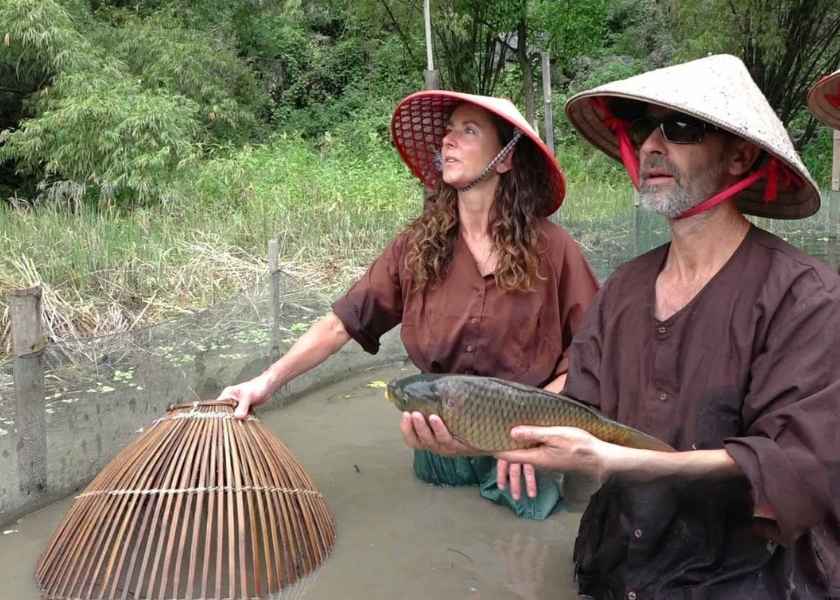
Trading city life for a muddy afternoon of 'ditch fishing'
- Ben Tre (The Coconut Economy): Known as the "Land of Coconuts," this province is a masterclass in zero-waste farming. You’ll see how every part of the tree, from the shell to the husk, is turned into candy, crafts, or even construction materials. Between family-run workshops, you can wander through orchards to pick rambutan, durian, or pomelo directly from the branches.
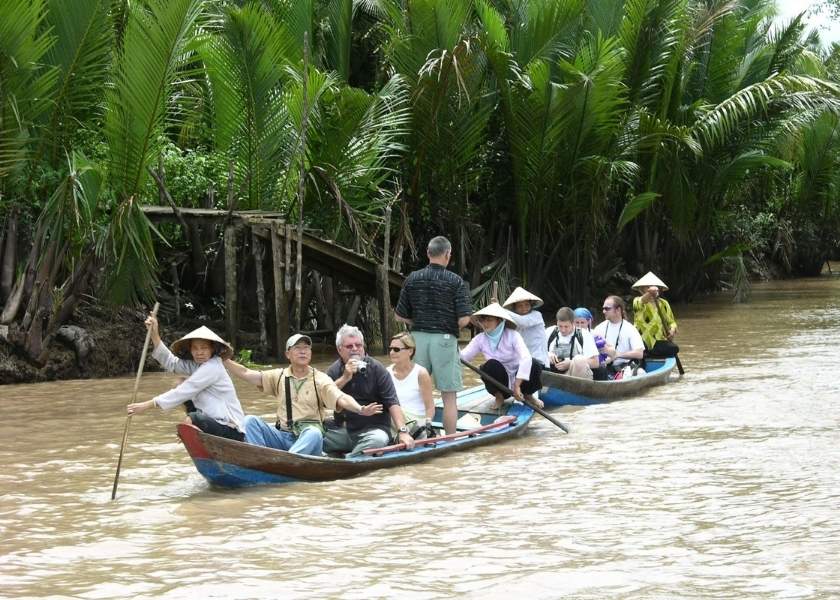
A peaceful sampan ride through the shaded canals of Ben Tre offers a primary look into the water-based agriculture of the Mekong Delta.
Highlands vs. Lowlands: Which Agritourism Model is for You?
Choosing between the rugged peaks and the lush waterways depends on the "flavor" of adventure you crave. In Vietnam, agritourism is split into two distinct ecosystems:
| Feature |
The Highlands Model |
The Lowlands Model |
| Destinations |
Sapa, Moc Chau, Dalat, Buon Ma Thuot. |
Mekong Delta, Hoi An, Phong Nha. |
| Primary Focus |
Tradition & Tech (Terraces to Smart Farming). |
Water & Precision (Organic gardens & river life). |
| Signature Activities |
Planting rice, coffee processing, tea harvesting. |
Ditch fishing, basket boating, coconut workshops. |
| Physical Effort |
High: Trekking & steep terrain. |
Moderate: Boating & flat ground walking. |
| Core Value |
Resilience & Innovation. |
Abundance & Connectivity. |
Which one should you choose?
- Choose the Highlands if: You want to see the two extremes of Vietnamese agriculture. On one hand, you have the sheer resilience of ethnic minorities farming on vertical cliffs (Sapa, Moc Chau). On the other, you have the sophisticated "Smart Farming" hubs that feed the world with coffee and flowers (Buon Ma Thuot, Dalat). This is for travelers who love crisp air, dramatic landscapes, and "From Bean to Cup" educational experiences.
- Choose the Lowlands if: You want high-energy fun and immediate "Farm-to-Table" rewards. You’ll see how Hoi An farmers turn lagoon seaweed into organic gold, how Phong Nha turns a duck farm into a viral sensation, and how the Mekong Delta utilizes every inch of the coconut tree. This is the ideal choice for families, foodies, and anyone who isn't afraid to get a little muddy in exchange for a great story.
A Guide for Families: Safe & Educational Farm Experiences
Agritourism is the ultimate "outdoor classroom," but the right choice depends on the age of your explorers.
Safety First: Toddlers vs. Teenagers
- For Toddlers (Ages 2-6): Stick to the Lowlands (Hoi An, Mekong Delta). The flat terrain is much easier for small children to navigate. Activities like the "Duck Massage" in Phong Nha or strawberry picking in Dalat’s high-tech farms are engaging, safe, and low-risk.
- For Teenagers (Ages 12+): They need a challenge. The Northern Highlands (Sapa) or Central Highlands (Buon Ma Thuot) are perfect. Trekking to remote coffee hills or learning the "hard work" of traditional rice ploughing provides a sense of accomplishment that a simple boat ride can’t match.
The Educational Value
These trips teach kids the reality behind the supermarket shelf:
- Food Sources: Seeing a chocolate bar begin as a fermented cocoa pod in Buon Ma Thuot or rice as a tiny seedling in Sapa completely changes a child's perspective on what they eat.
- Sustainability: Learning about the Red Dao’s forest medicine or Hoi An’s organic seaweed fertilizer proves that traditional methods are often the most eco-friendly.
Thẻ Brevo: form - Vietnam
Conclusion
Vietnam isn’t a museum; it’s a living, breathing landscape where agriculture is the pulse. Agritourism here isn't about looking at pretty fields through a window; it’s about stepping into them. It’s an honest exchange: you trade the digital noise for a morning of real labor, and in return, local families get the support they need to keep their heritage alive.
This is the ultimate "reset". It turns a simple holiday into a powerful engine for rural growth and environmental protection. You get your boots muddy; they get a sustainable future. It’s as simple and as vital as that.
1. Do I need any farming experience to join these tours?
Not at all! Agritourism in Vietnam is designed for everyone. Local farmers and your Kampá Tour guide will lead you through every step, whether it's planting rice or picking coffee cherries. It’s about the experience and connection, not the labor skills.
2. Is agritourism safe for young children?
Yes, it is very educational and safe. For families with toddlers, we recommend the "Lowlands" model (Hoi An or Mekong Delta) where the terrain is flat. Activities like the "Duck Massage" or strawberry picking are high-engagement and low-risk for little explorers.
3. What should I pack for a farm-based tour?
Prepare to get a little muddy! We recommend bringing comfortable clothes that you don't mind getting dirty, sturdy walking shoes (or sandals for the delta), sun protection, and insect repellent. For some activities like ditch fishing, we provide traditional "Ao Ba Ba" outfits.
4. How does my visit benefit the local community?
Your visit directly supports rural households. Agritourism provides an additional, stable income stream for farmers, helping them preserve their traditional heritage and protect their land from the pressures of mass industrialization or climate change.
5. Will there be a language barrier with the farmers?
While many local farmers do not speak English, your Kampá Tour guide acts as a cultural bridge. We don't just translate words; we help you understand the stories and traditions behind every harvest, ensuring a deep and meaningful exchange.
>>> Related articles:





 Our team
 Our team
 Our team
 Our team




 Other
Other Add us as a preferred source