Vietnam in March: Unbearable or Perfect? (Don't Miss It!)
Based on the feedback from hundreds of Kampá Tour travelers throughout 2025, we can confidently say: YES.
To be honest, March is arguably the best month overall to visit Vietnam. It is the country's "Goldilocks" window: The North is no longer freezing like in January, the Central Coast boasts perfect beach weather, and the South is dry but not yet scorching hot. This is the only time of year you can explore the entire length of the country without worrying about typhoons or extreme heat.
In this guide, we will reveal:
Why Central Vietnam (Hue, Hoi An) is the "star" of March.
The honest truth about "Nồm" humidity in the North (that other blogs won't tell you).
A perfect 14-day itinerary to maximize your Spring Break.
Written by Oliver PHUNG (Tour Guide)
Updated on Jan 09, 2026
0 comment
Oliver Phung is a Northern Vietnam-based tour guide and blogger. His favorite topics to write about include cuisine, culture, travel, and under-the-radar experiences. Oliver possesses a deep, detailed understanding of the region, from the indigenous culture of the Hmong in the Northwest to the highland lifestyle of the Tay in the Northeast. Whether he is exploring ancient architecture or geological landscapes, he is always eager to share his insights with his readers.
Beyond his work at Kampá Tour, he produces specialized travel content on platforms such as Reddit, Instagram, LinkedIn, and various other publications.
Heads up for 2026: Since Easter falls in early April, the last week of March will be busy. Book your travel services (hotels, cruise, tours) at least 3 weeks in advance.
Vietnam weather in March
Region
Avg. Temp
Rain Chance
The "Real Feel"
North
(Hanoi, Halong, Sapa)
18°C - 23°C
(64°F - 73°F)
Moderate
(Mist & Drizzle)
Cool, Humid & Misty
Central
(Hue, Hoi An, Da Nang)
25°C - 28°C
(77°F - 82°F)
Low
(Best Time)
Warm, Sunny & Perfect
South
(Saigon, Mekong, Phu Quoc)
29°C - 34°C
(84°F - 93°F)
Very Low
(Dry Season)
Hot & Dry
Northern Vietnam: "Spring is in the Air"
(Destinations: Hanoi, Halong Bay, Sapa, Ha Giang, Ninh Binh)
March marks the transition from winter to spring. It is no longer freezing cold, but it’s not yet summer hot. Expect cool, pleasant days (18°C - 23°C), perfect for city walking. This is the season of life where flowers bloom everywhere, from the purple Ban flowers in Hanoi streets to the white Plum blossoms in the mountains.
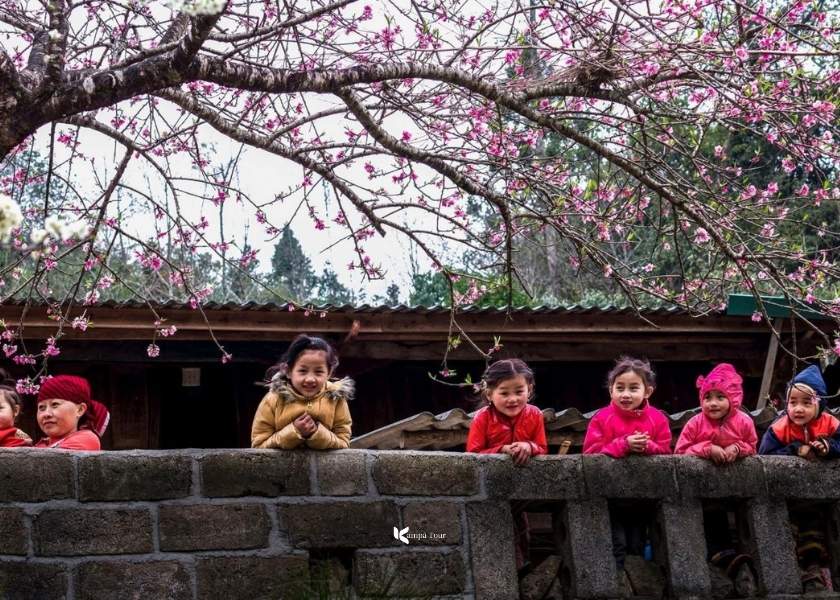
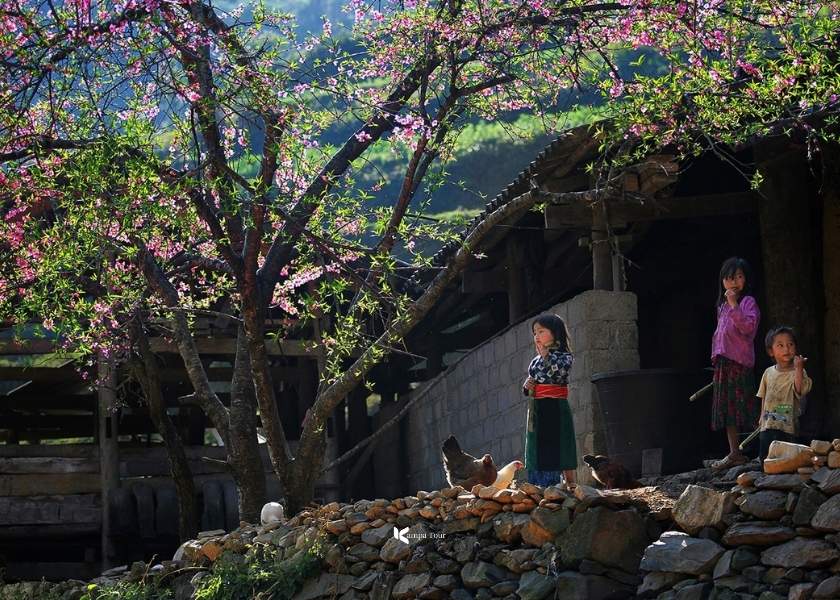
Ha Giang flowers bloom profusely in March
A small note on the sky: Don't expect crystal clear blue skies every day. March in the North is famous for its morning mist and light drizzle, which we call Mưa Phùn. While it might wet your hair, it creates a mystic, poetic atmosphere for Halong Bay cruises, which photographers often love. - Oliver Phung
Central Vietnam: "The Champion of March"
(Destinations: Hue, Da Nang, Hoi An, Phong Nha)
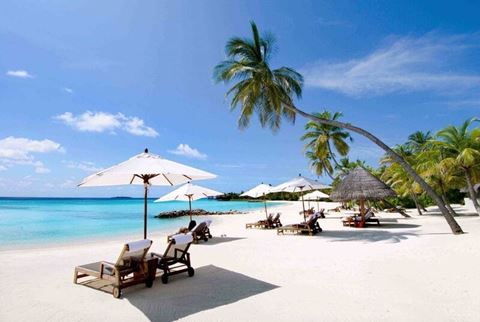
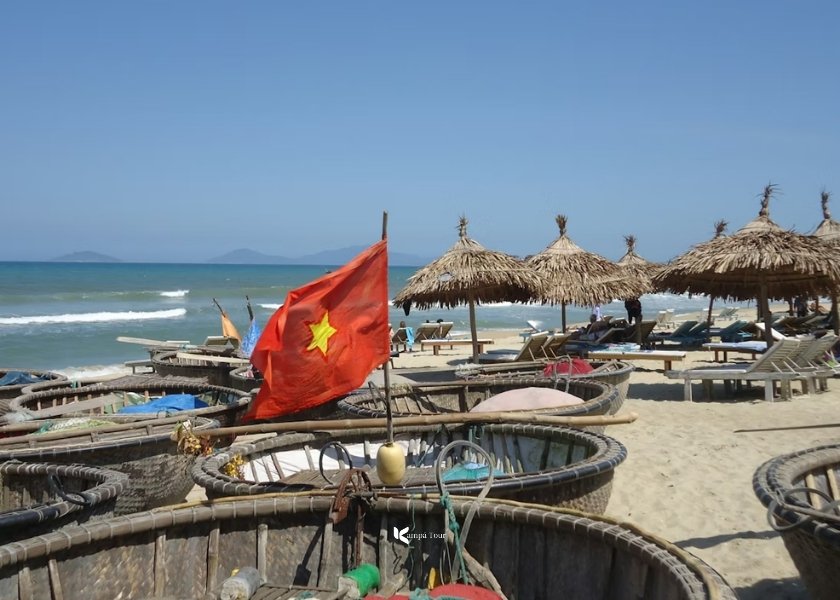
If you are chasing the sun, Central Vietnam is your "Sweet Spot". While the North can be misty, the Central coast is basking in glorious sunshine. The temperature is ideal (25°C - 28°C), warm enough for swimming at Central beach, but not scorching hot like in June or July. Since the winter rains have completely stopped and summer typhoons are months away, the sea is calm, blue, and perfectly safe for diving or snorkeling.
Central Vietnam in March is the best time to experience Vietnam's most beautiful beaches
Southern Vietnam: "Dry & Sunny"
(Destinations: Ho Chi Minh City, Mekong Delta, Phu Quoc Island)
The South is deep in its dry season. It is hot (29°C - 34°C), but it is a dry heat, which is much more manageable than the suffocating humidity of summer. The skies are bright blue with zero chance of rain, making it the perfect time for a boat trip in the Mekong Delta or lazy days on the white sands of Phu Quoc Island. Just remember that the midday sun in Saigon can be intense, so plan your city tours for the morning or late afternoon.
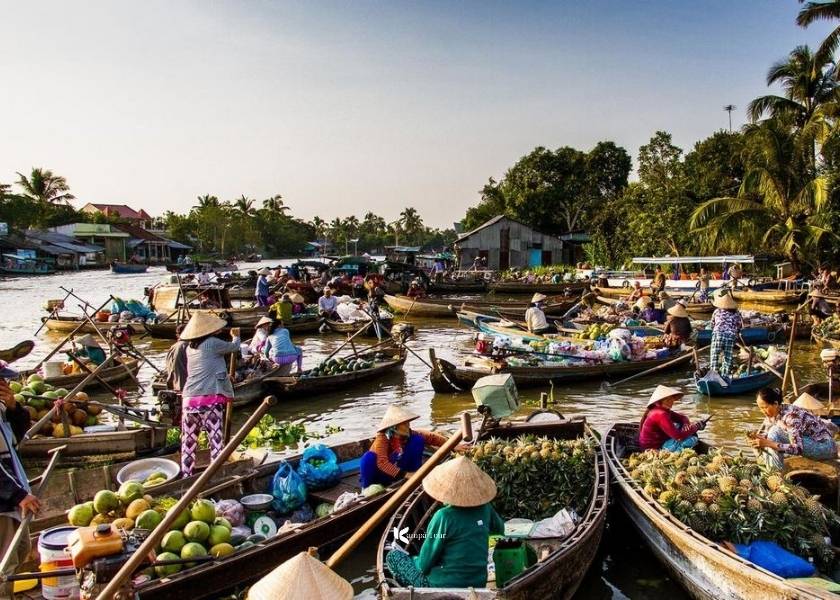
Cai Rang Floating Market
The "Honest" Truth about Vietnam in March
While planning a trip to Vietnam in March is arguably the most harmonious choice for weather across all three regions, it is not without its specific quirks. Most travel blogs will paint a perfect picture, but at Kampá Tour, we believe in total transparency so you can come prepared.
The "Nồm" Phenomenon (Northern Humidity)
One specific challenge of traveling to Northern Vietnam in March is a unique weather phenomenon locals call "Nồm." This typically occurs when humid winds from the East Sea blow inland, causing humidity to spike above 90% and moisture to condense on cold surfaces. Unlike the crisp winter air, the atmosphere of Hanoi in March can feel heavy and sticky. You will likely see floors and walls literally "weeping" water, and mirrors constantly fogging up.
Typically, hotels with 4 stars or more have systems to control humidity and keep your space dry
This isn't a major problem outdoors, but tiled floors in hotel lobbies or restaurants can become deceptively slippery, so we recommend wearing shoes with good grip. Inside your accommodation, if the room feels damp, check your Air Conditioner remote. Switching it from "Cool" to "Dry" mode (the water drop icon) acts as a powerful dehumidifier and will dry out your room in minutes, making your sleep much more comfortable.
The Southern Mid-day Heat
As you head South, Vietnam weather in March transitions from the dry to the rainy season, bringing the peak temperatures of the year. While the mornings are lovely, the "Urban Heat Island" effect in Ho Chi Minh City can make the mid-day sun feel brutal. The combination of direct sunlight and concrete structures trapping heat causes the "Real Feel" temperature to soar between 12:00 PM and 3:00 PM, making sightseeing an endurance test rather than a pleasure.
March on Phu Quoc Island is ideal for outdoor activities
Our advice for surviving March in Southern Vietnam is to live like a local and avoid the noon sun. Plan your outdoor excursions, like the Cu Chi Tunnels or Mekong Delta boat rides, as early as 7:30 AM. Save the mid-day hours for a long lunch or a museum visit, and wait until the late afternoon to explore the streets again. An evening Vespa Tour or a sunset walk is the perfect reward after a hot day.
Where to go in March?
Northern Vietnam: Season of Flowers & Festivals
If you are looking for the cradle of Vietnamese culture and dramatic landscapes, the North is your best choice in March. This month marks the peak of spring festivals and the blooming season, offering a visual feast that you won't find at any other time of year.
Hanoi
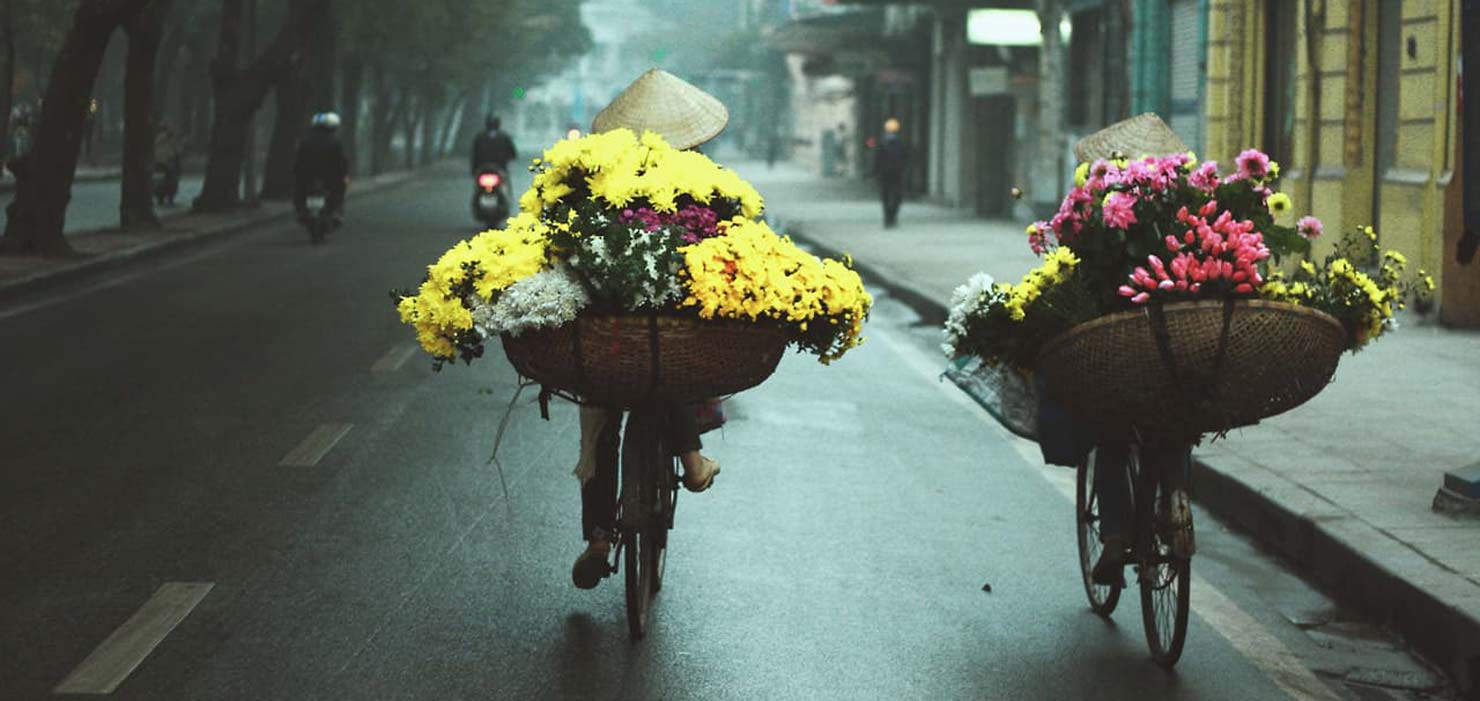
As the capital awakens from its winter slumber, Hanoi in March becomes a sensory delight. The weather is comfortably cool, with daytime temperatures hovering between 20°C and 24°C, dropping to a brisk 15°C at night. This is the only season where the city’s streets are painted in specific colors: the poetic purple of Ban flowers (Bauhinia) and the striking red of Rice flowers (Bombax ceiba).
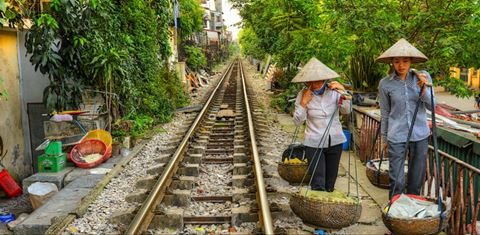
Hanoi Railway Street Coffee Shops
Beyond the scenery, March is also the tail end of the post-Tet festivities. A day trip to the Perfume Pagoda Festival on the outskirts offers a chaotic yet vibrant immersion into Vietnamese spiritual life that is truly authentic.
The Northern Mountains (Ha Giang & Sapa)
Heading up to the Chinese border, destinations like Ha Giang and Sapa offer breathtaking views of limestone peaks and winding roads. However, transparency is key here. While Ha Giang remains spectacular with its lush green plateaus in March, Sapa is often a gamble.
The town is frequently shrouded in a thick blanket of white mist during this month. For those who enjoy "cloud hunting" and a moody, mystic atmosphere, it is magical; but if you expect crystal clear views of Mount Fansipan every day, you might need to adjust your expectations.
Ninh Binh: The "Green" Halong Bay
Just a two-hour drive south of Hanoi lies Ninh Binh, often dubbed "Halong Bay on Land". We highly recommend visiting in March because this is the "Green Rice" season. Unlike the harvest season in Autumn when the fields turn yellow, March sees the rice paddies turning a vibrant, neon green against the grey limestone karsts.
Taking a sampan boat ride in Trang An or Tam Coc during this month is a surreal experience. The cool spring breeze makes sitting on a boat for two hours a pure pleasure, avoiding the risk of heatstroke that comes with the sweltering summer months.
Central Vietnam: The "Goldilocks" Zone for Mountains and Beaches
To put it simply, if you are looking for the dreamiest and most majestic destination in Vietnam in March, Central Vietnam is the undisputed champion. While the North is still waking up from winter and the South is heating up, the Central region enjoys the "Goldilocks" climate, not too hot, not too cold, just perfect. It offers the mildest weather of all three regions, creating ideal conditions for everything from jungle trekking to ocean swimming.
Phong Nha - Ke Bang: The Peak Season for Adventure
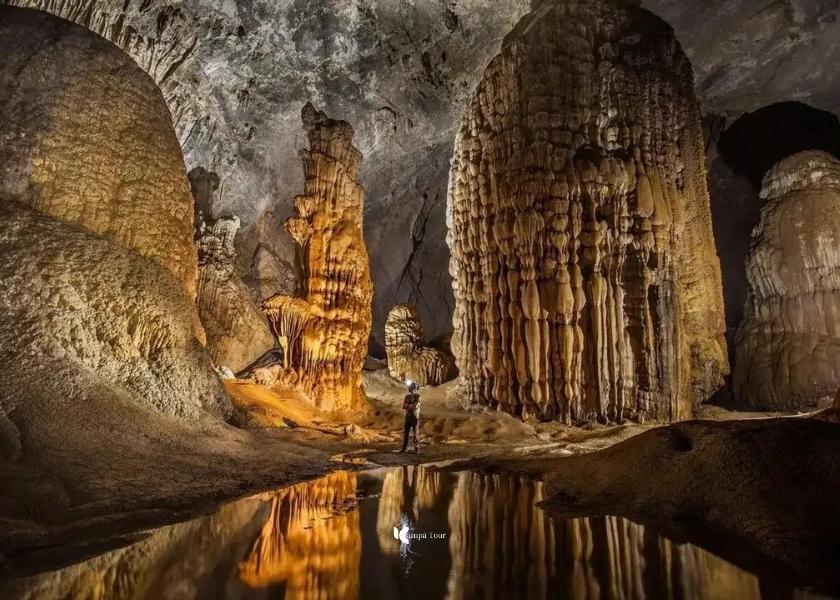
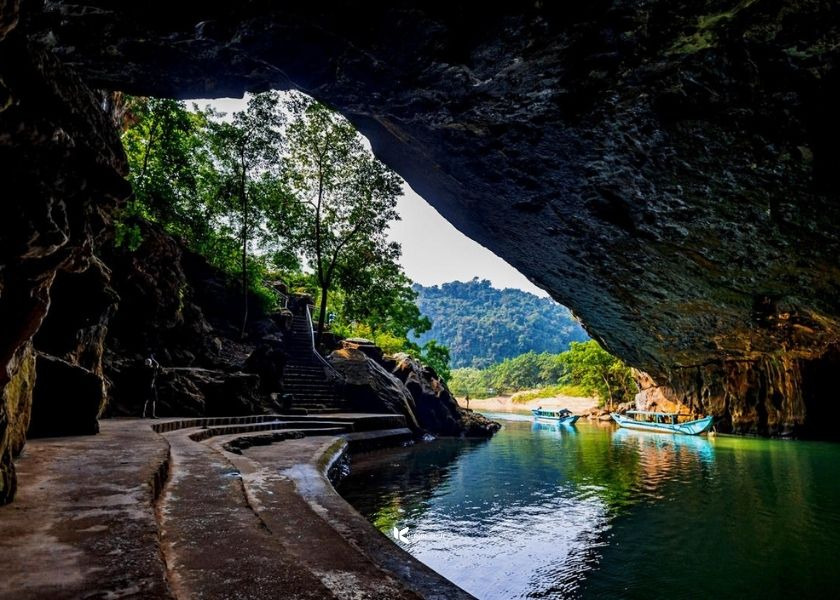
For adventure seekers, March is the prime time to visit Phong Nha - Ke Bang National Park. Since this is the height of the dry season, the jungle trails are firm and safe, avoiding the slippery mud of the rainy months. This UNESCO World Heritage site is home to a magnificent cave system, including the exclusive Son Doong Cave, which is the world's largest.
While Son Doong requires booking years in advance, accessible options like Paradise Cave or a boat trip on the Son River are equally mesmerizing under the clear March sky. If you join a jungle trekking tour this month, you will also be treated to the sight of various wildflowers in full bloom, adding vibrant colors to the limestone karst landscape.
Hue: Walking Through History Without the Heat
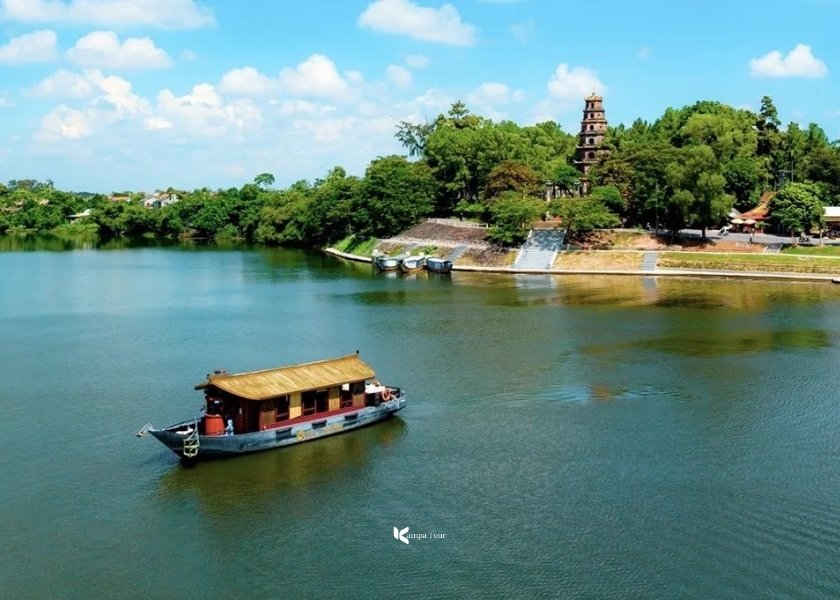
Just a few hours south lies Hue, Vietnam's former imperial capital. Anyone who has visited Hue in the summer knows that the stone walls of the Citadel can radiate intense heat, but Hue in March is a different story. The temperature is pleasantly mild, with sunshine almost every day and practically no rain.
This makes it the perfect time to leisurely explore the massive Citadel, palaces, and royal tombs of the Nguyen Dynasty without breaking a sweat. A boat trip on the Perfume River offers a gentle way to see the city's pagodas. March is also the season of spring festivals, where you can witness elaborate cultural shows and royal ceremonies that bring the ancient capital back to life.
Da Nang: The Scenic Route & Golden Bridge
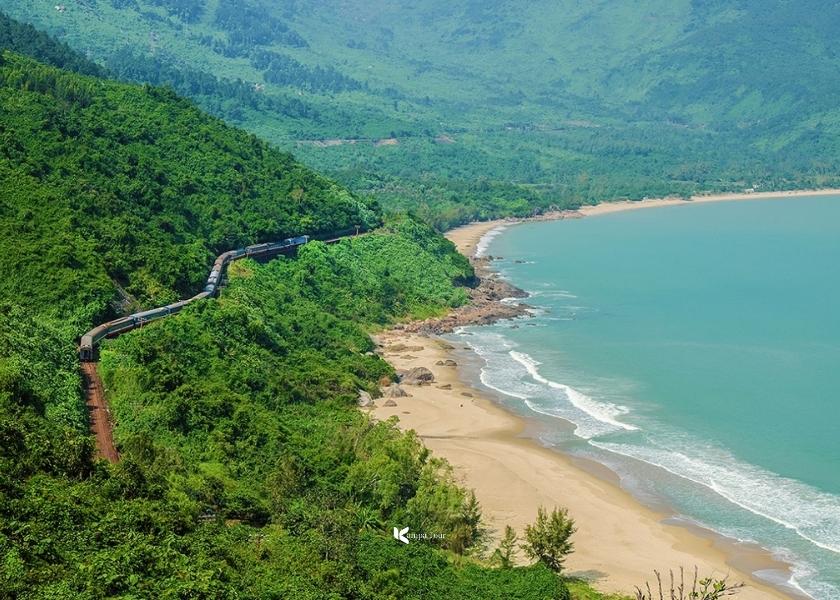
Connecting Hue and Hoi An is Da Nang, Vietnam's most livable city. We strongly recommend skipping the flight or tunnel and taking the train from Hue to Da Nang. This journey takes you over the Hai Van Pass, offering one of the world's most beautiful coastal railway views, a sight that is particularly stunning under the clear blue skies of March.
Once in Da Nang, you can feel small standing on the famous Golden Bridge at Ba Na Hills. March is one of the few months where you have a high chance of seeing the bridge clearly without it being swallowed by heavy mountain fog.
Hoi An
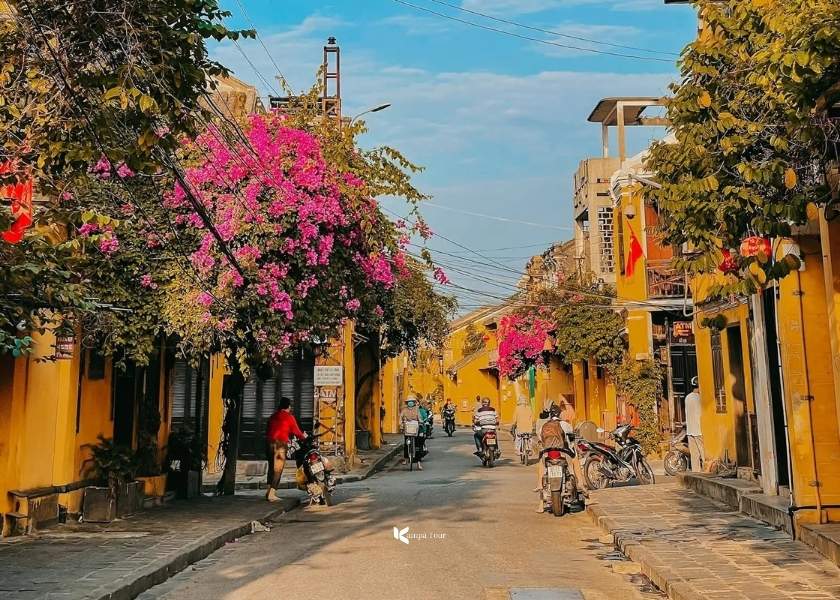
Finally, Hoi An Ancient Town is the crown jewel of Central Vietnam in March. This 16th-century trading port enchants visitors with its yellow-walled houses and lantern-lit streets reflecting Chinese, Japanese, and French influences.
But the real secret of Hoi An in March is the beach. For a beach holiday in March, Hoi An actually beats Phuket. While Southern Thailand often risks sweltering heat and regional haze during this month, An Bang Beach remains an oasis of fresh air (26°C - 28°C). It allows you to enjoy glorious sunshine without the heatstroke, offering a far more breathable experience where you can effortlessly combine a morning of cultural walking with an afternoon of pure seaside relaxation.
Heading further south, you enter a world of perpetual summer. March represents the peak of the dry season here, a time of brilliant blue skies before the monsoon rains arrive in late April.
The Highlands (Special Mention): The Season of "White Snow"
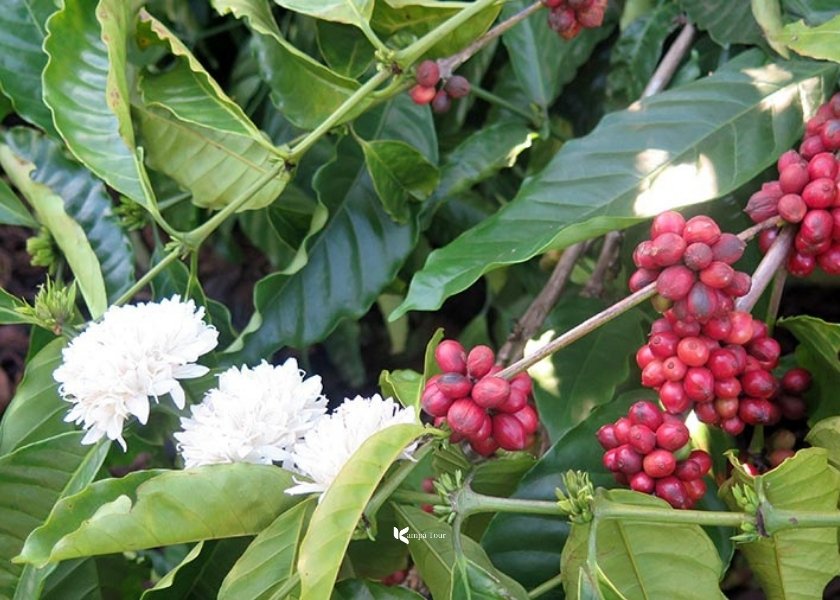
While most tourists flock to the romantic pine forests of Da Lat, we suggest taking the road less traveled to Buon Ma Thuot in the Central Highlands. March is the absolute best month to visit this region for one spectacular reason: Coffee Flower Season.
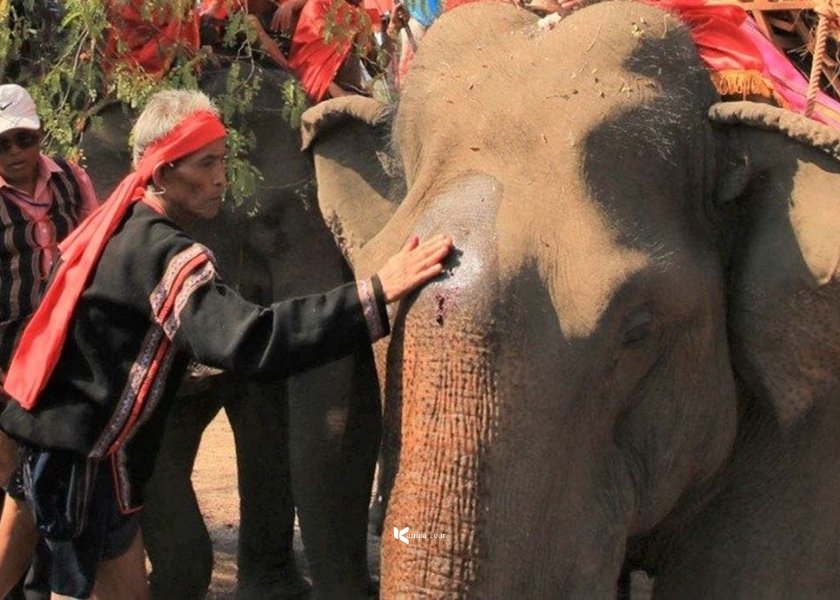
You can cycling through hills covered in millions of white blossoms, looking like snow has fallen in the tropics. The air is filled with a sweet, jasmine-like fragrance that you will never forget. This is also the month of the vibrant Ban Don Elephant Festival (usually held in the third lunar month), where you can witness the deep bond between the M'Nong ethnic people and their elephants without the unethical riding practices of the past.
Ho Chi Minh City & The Mekong Delta
Ho Chi Minh City (Saigon) in March is vibrant and energetic. While the midday heat can be intense, the lack of rain makes it perfect for evening exploration. Just a short drive away lies the Mekong Delta, a water world of canals and orchards.
In March, the delta is calm and salinization (saltwater intrusion) has not yet peaked, making boat trips through the coconut groves of Ben Tre or the floating markets of Can Tho particularly pleasant and photogenic.
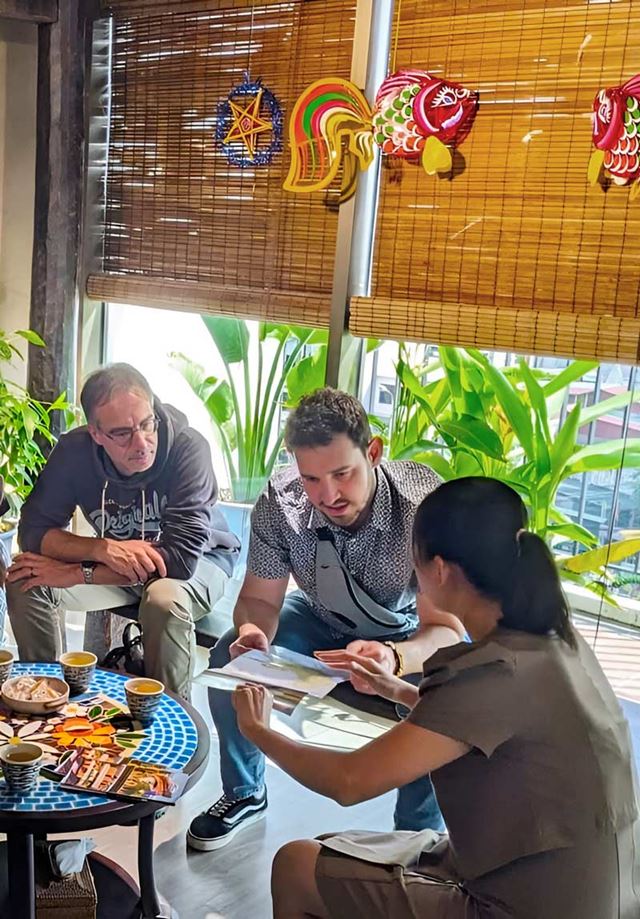
Discovery of the Mekong Delta with Kampá Tour in the dry season - Catherine Décréau and her friends
Phu Quoc: The "Last Chance" Paradise
If you are dreaming of a tropical island, Phu Quoc must be your top priority in March. Consider this an insider tip: March is the "Last Chance" window.
By late April and May, the winds change, and the water can become choppy or cloudy. But in March, the sea remains calm, flat, and crystalline, perfect for snorkeling and diving.
Recommended Itineraries for Spring 2026
Option 1: The "Beach & Heritage" Mix (10 Days)
Route: Hanoi (2) ➔ Halong Bay (1) ➔ Hue & Hoi An (5) ➔ Ho Chi Minh City (2) Vibe: 30% Culture, 20% Nature, 50% Vitamin Sea.
This itinerary is engineered specifically for March weather. We intentionally skip the inland mountains (Sapa/Ninh Binh) to maximize your time in the sunny Central Coast.
Days 1-3: The Northern Mist. Start in Hanoi with pleasant 20°C walking weather and purple Ban flowers. Overnight on a Halong Bay cruise to enjoy the mystic, poetic atmosphere of late spring.
Days 4-8: The "Goldilocks" Zone (5 Days). This is the highlight. We fly you to Hue and Hoi An; the only region in Southeast Asia with perfect beach weather in March (beating the heat of Phuket).
Action: Explore the Imperial Citadel without the summer sweat.
Relax: Spend 3 full days at a resort near An Bang Beach. The ocean is calm, blue, and 26°C.
Days 9-10: The Southern Warmth. End in Saigon to enjoy the peak dry season. A boat trip to the Mekong Delta offers cool shade under the coconut palms before you fly home.
Route: Hanoi (2) ➔ Ninh Binh (1) ➔ Halong Bay (1) ➔ Hue & Hoi An (4) ➔ Saigon & Mekong (2) ➔ Phu Quoc (3) Vibe: The Ultimate "All-in-One" Experience. Perfect For: First-timers who want to check every box on their Vietnam bucket list.
If you have two weeks, this is the definitive route to capture the soul of Vietnam in March. It covers everything from the misty mountains of the North to the tropical paradise of the South.
The Northern Leg (Days 1-5):
While Sapa is risky with fog, Ninh Binh (Halong on Land) is spectacular in March with its neon-green rice fields. We combine this with a luxury cruise in Halong Bay, where the cool spring air makes kayaking and Tai Chi on the deck incredibly refreshing.
The Heritage Core (Days 6-9):
We dedicate 4 days to Hue and Hoi An. This is the "Goldilocks Zone" mentioned earlier; perfect sunshine for exploring the Imperial Citadel and cycling through Hoi An's ancient streets. You will likely skip the rain that plagues this region in late autumn.
The Southern Finale (Days 10-14):
After exploring the Mekong Delta coconut groves, we fly you to Phu Quoc Island for the final 3 days.
Why this timing is critical: You arrive in Phu Quoc in mid-March, catching the absolute tail end of the perfect season. The sea is still flat and crystal clear before the winds shift in April. It is the perfect "cherry on top" to end your grand journey.
Packing for Vietnam in March requires mastering the art of layering. Here is your essential Vietnam packing list for March:
For the North (Hanoi & Halong)
Do I need a jacket for Hanoi in March? Yes! Pack a light windbreaker, fleece, or cardigan for the cool mornings (18°C).
Don't forget warm clothes for a Halong Bay cruise in March, such as hoodies or sweaters, as the sea breeze gets chilly at night.
Bring the best shoes for walking in Vietnam, ideally sneakers with non-slip soles to handle the humid "Nồm" floors.
For the South (Saigon & Delta)
Keep it simple. What to wear in Ho Chi Minh City involves breathable linen, cotton t-shirts, shorts, and sunglasses to beat the dry heat.
Seasonal Food (Must-Try in March)
March offers unique culinary experiences that transition with the weather:
Warm up in Hanoi: The lingering cool air makes a Hanoi street food tour perfect for enjoying hot Pho or Bun Cha.
Catch the Festival: In late March (Lunar March 3rd), look out for the Cold Food Festival in Vietnam (Tết Hàn Thực). It is the only time you can try the authentic Banh Troi floating cake (sweet glutinous rice balls).
Dining by the River: The sunny Central weather enhances the best food in Hoi An (Cao Lau, Com Ga), best enjoyed at riverside terraces.
Tropical Treats: Look for fruits in season in Vietnam in March, specifically the Star Apple (Vú Sữa). It is at its sweetest right now!
FAQs
Is Vietnam expensive to visit in March?
No, March is actually considered the "Shoulder Season," the ideal sweet spot between the busy and quiet months. Unlike the expensive Christmas or Lunar New Year peaks, flights and hotels in March are significantly cheaper, often offering discounts of up to 30%.
Can I swim in Halong Bay in March?
Theoretically, yes! But it really depends on your tolerance for the cold. The water temperature in Halong Bay usually hovers around 19°C - 21°C (66°F - 70°F). It is refreshing for a quick dip, but swimming for too long might leave you shivering. Honestly, this weather is much better suited for kayaking or enjoying the view from the deck. If you are craving warm, bath-like water, I highly recommend heading south to Hoi An, Da Nang, or Phu Quoc instead.
Should I visit Vietnam or Thailand in March?
If you dislike extreme heat, Vietnam is the clear winner in March. While Thailand enters its scorching hot season (often exceeding 35°C) and faces the infamous "burning season" haze in the north (Chiang Mai), Vietnam offers a much more comfortable climate diversity. You get to enjoy cool spring breezes in the North and pleasant warmth in the Central region without suffering through extreme humidity or poor air quality.
Final words
Despite the meteorological difference between these 3 regions, March is considered a good season to discover Vietnam thanks to its temperate climate and pleasant temperature. If you're having trouble choosing which destination to visit during this time, take your pick from our list and start your trip!
>>> See more about things to do in Vietnam by month:
Planning your trip?
Save time and get expert advice for FREE!
✅ 15 years of local experience
✅ Save up to 40 hours of planning
✅ Travel stress-free from start to finish
Book your free consultation today!






 Our team
 Our team
 Our team
 Our team













 Other
Other Add us as a preferred source