Sapa in November: The Complete Guide to the Cool Season
Sapa in November is a month of quiet beauty and deepening cold, as the highlands settle fully into autumn and the first hints of winter begin to touch the mountain peaks. The harvest crowds of October have thinned, the terraced fields lie cut and still after the rice has been brought in, and the surrounding forests shift into muted shades of rust, bronze, and faded gold beneath increasingly clear and pale skies.
In this guide, you will discover everything you need to know about Sapa weather in November, including temperatures, rainfall patterns, what the landscape looks like, and practical travel tips to help you plan a rewarding trip as Sapa transitions into its cool, serene winter season.
Written by Trang Nguyen (Local Expert)
Updated on May 29, 2026
0 comment
Trang Nguyen has lived in Vietnam for nearly three decades and spent much of her life exploring Asia. She has joined numerous field trips, stayed with ethnic communities in the northern mountains, and gained deep insights into local cultures and landscapes. Her writing reflects an honest passion for authentic travel and meaningful connections. If you have any questions about her journeys, feel free to reach out and leave a comment!
Daytime temperatures in Sapa during November typically range between 12°C and 20°C.
Night temperatures drop sharply, often falling to around 7°C–12°C and occasionally lower at higher elevations.
Rainfall is low, averaging around 50–80 mm for the month, with mostly clear and dry conditions.
November is one of the least crowded months in Sapa, offering a quieter and more atmospheric experience than the peak harvest season.
The post-harvest landscape is serene and photogenic, with mist-filled valleys, bare terraces, and crisp mountain air defining the character of the month.
What is Sapa’s November Weather Like?
November marks Sapa’s definitive shift from autumn into the early stages of winter. The monsoon is firmly over, and the dry season that will carry through to March settles across the highlands with clear skies, low humidity, and progressively cooler temperatures. Daytime temperatures typically range between 12°C and 20°C (54°F–68°F), while nights cool sharply to around 7°C–12°C (45°F–54°F), and on colder nights at higher elevations temperatures can dip below 5°C.
The skies in November are frequently clear and crisp, offering some of the finest long-distance visibility of the entire year.
The Fansipan massif stands out sharply against the pale blue sky, and on clear days the ridgelines and forested slopes of the Hoang Lien Son range are visible in extraordinary detail from the town and the valley viewpoints.
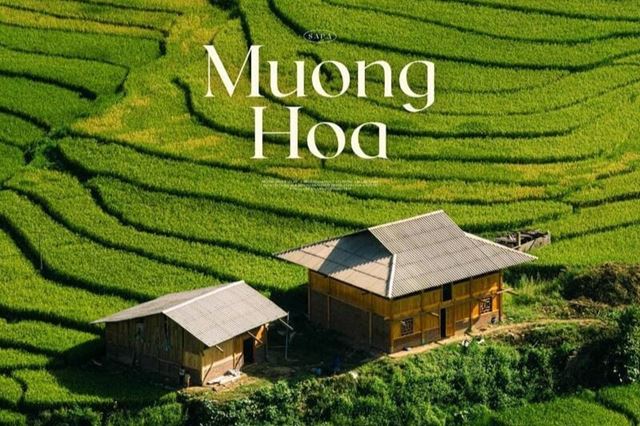
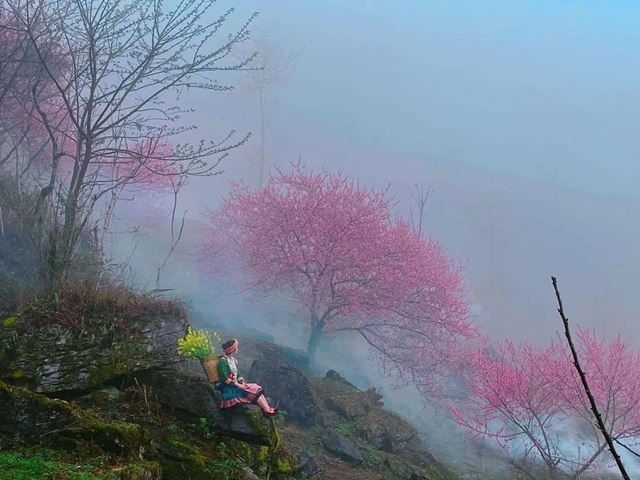
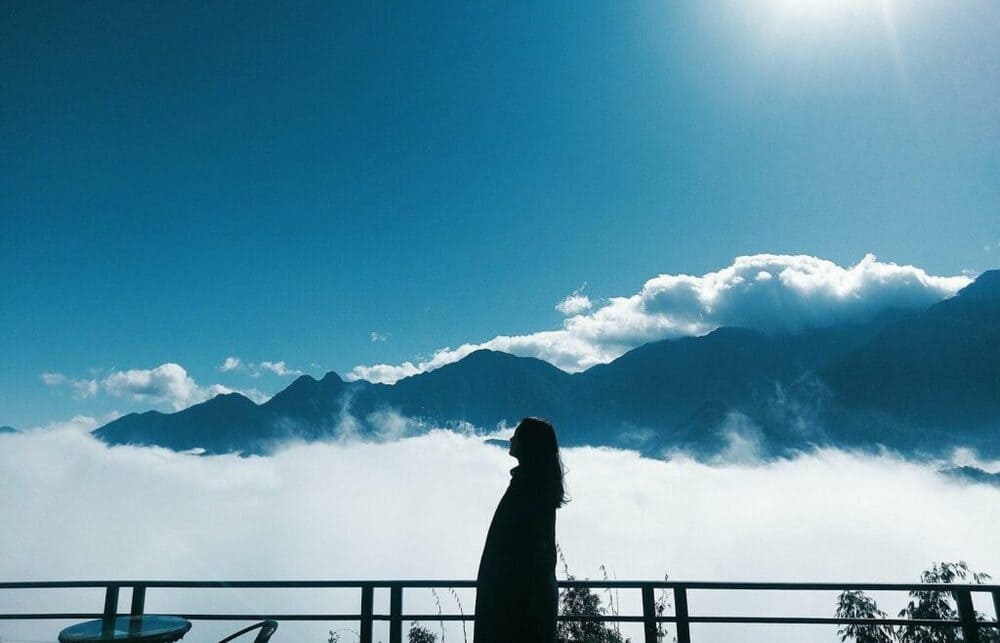
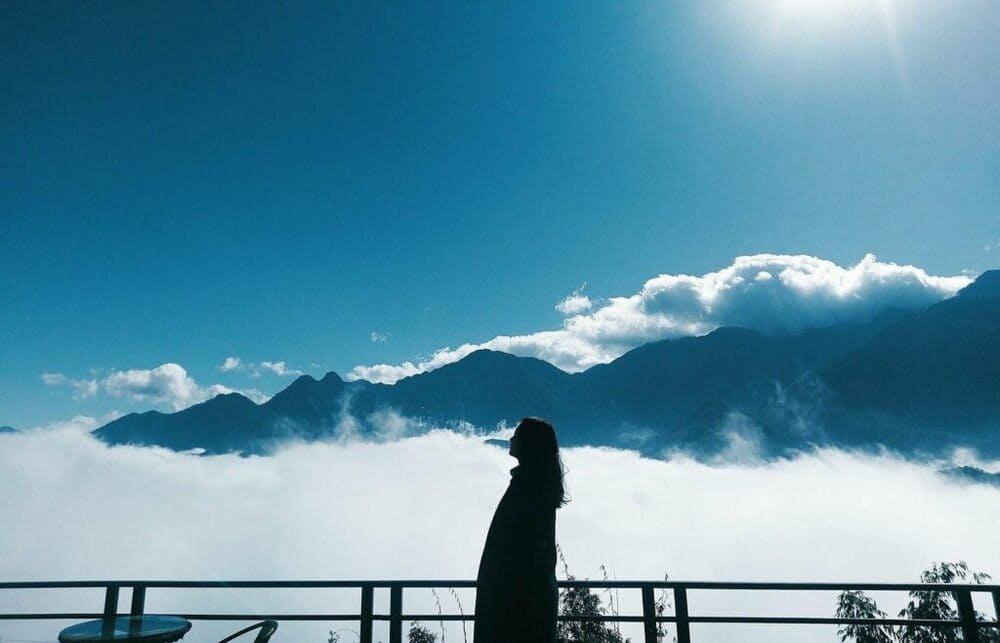
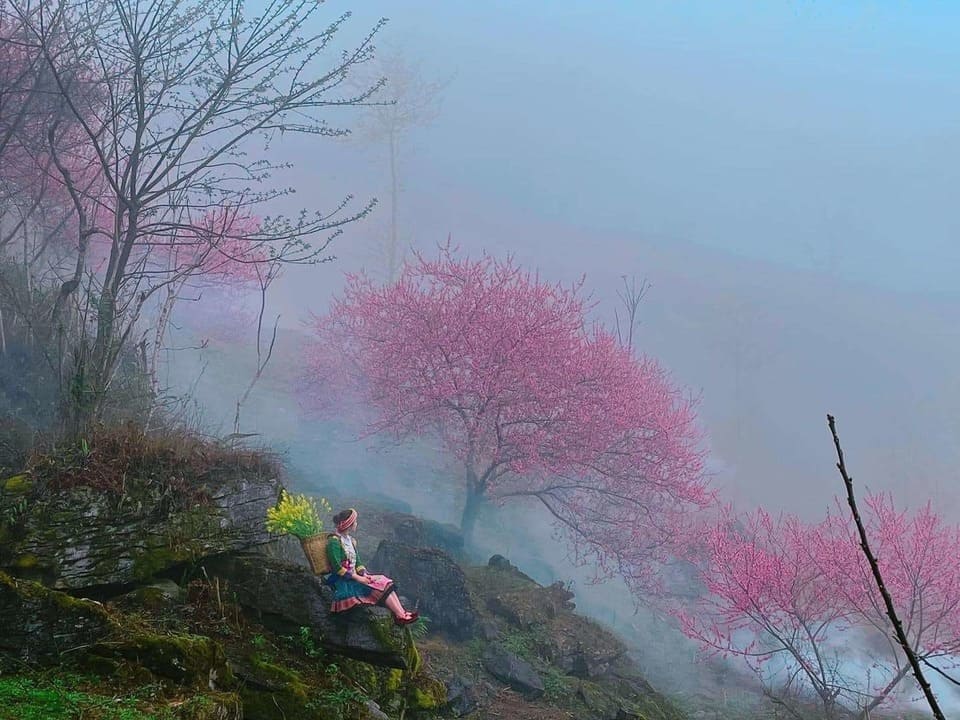
Mist is a defining feature of November mornings. Cold overnight air pooling in the valley floors creates thick, low-lying fog that fills the Muong Hoa Valley and surrounding hollows at dawn.
As the morning sun rises and warms the air, the mist burns off gradually to reveal the terraced hillsides below, creating one of the most atmospheric and photographically rewarding spectacles that Sapa offers at any time of year.
Sapa Weather in November: Overview
Weather Factor
November Average
Daytime temperature
12°C – 20°C (54°F – 68°F)
Night temperature
7°C – 12°C (45°F – 54°F)
Rainfall
About 50–80 mm for the month
Humidity
Around 60–75%
Sunshine
4–6 hours per day
Rainy days
Approximately 5–9 days
Snow
Very rare; possible only at Fansipan summit
Daytime temperatures are cool and refreshing — excellent for trekking and long walks.
Nights are cold, requiring warm layers and proper insulation after dark.
Rainfall is minimal, with predominantly dry and clear conditions throughout the month.
Morning mist in the valleys creates some of the most atmospheric scenery of the year.
What Makes November Weather Unique in Sapa?
November has a character entirely its own in Sapa. Where October dazzles with golden terraces and the energy of the harvest, November offers something more contemplative — a stillness and clarity that settles over the mountains as the farming year winds down and the highland communities turn inward toward the quieter rhythms of the cold season.
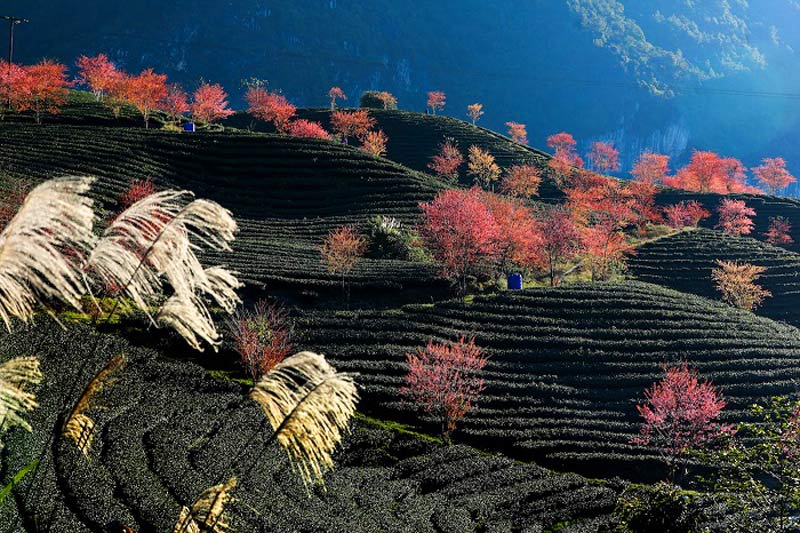
The post-harvest terraces are a landscape of a different kind of beauty. The cut paddies expose the full geometry of the hillside steps, and the remaining stalks and dried grasses catch the low November sunlight in a way that is soft, warm, and deeply photogenic.
Pools of water that remain in the paddies after the harvest reflect the sky and surrounding ridgelines, creating mirror-like surfaces across the valley floor that are particularly beautiful in the early morning before the wind picks up.
November is also one of the quietest months in Sapa in terms of visitor numbers. The peak October crowds have departed, the Christmas and New Year rush has not yet begun, and the town retains a relaxed, unhurried atmosphere that allows for a more genuine connection with the place and its people.
Guesthouse and hotel prices are often lower, trails are uncrowded, and interactions with local families in the villages feel more natural and unrushed.
What To Do in Sapa in November?
Trek Through the Post-Harvest Valley
November trekking is superb. The trails are completely dry, the air is cool and brisk, and the post-harvest landscape has a stripped-back, elemental beauty that is quite different from, but every bit as rewarding as, the golden October terraces.
Routes through the Muong Hoa Valley to villages including Cat Cat Village, Lao Chai, and Ta Van are all in excellent condition in November, and the cooler temperatures mean that even full-day and multi-day treks are genuinely comfortable.
With fewer visitors on the trails, November trekking also offers a more intimate experience. Local families in the villages are less accustomed to constant tourist traffic in November, and encounters along the route feel more genuine and spontaneous than during the busier harvest months.
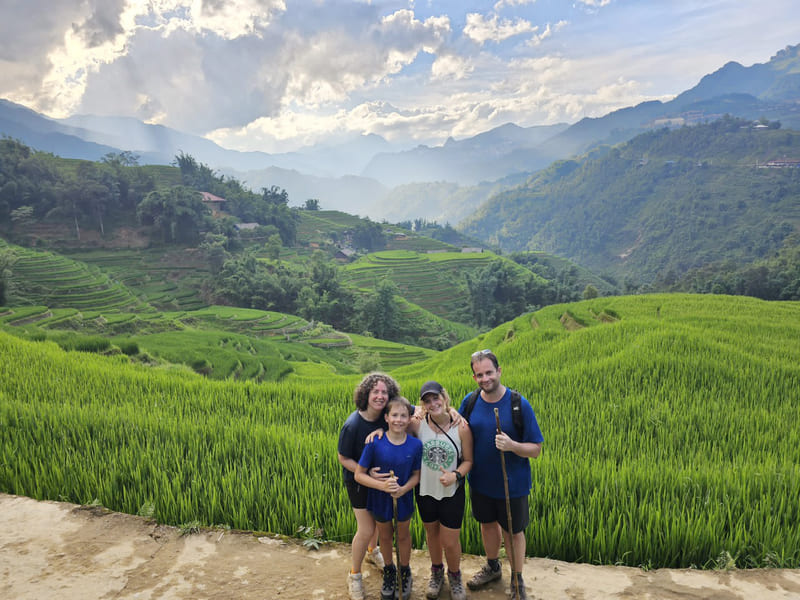
Unforgettable hike in the heart of the rice terraces (photo by our dear travelers)
Climb or Take the Cable Car to Fansipan
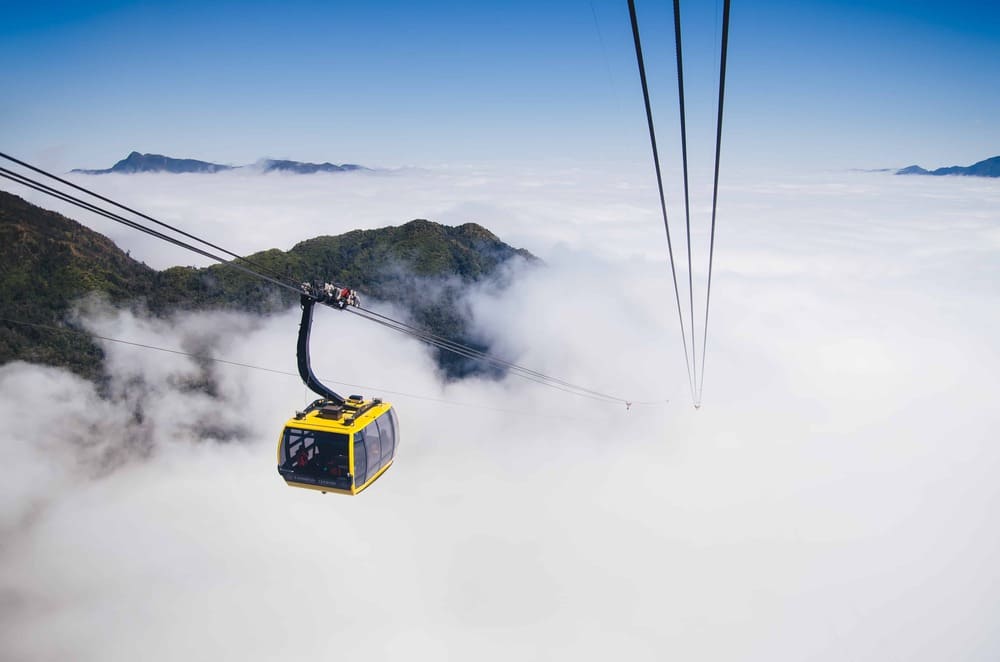
November is one of the finest months of the year to visit Fansipan. The post-monsoon clarity that began in October continues through November, and summit views on clear days are among the most expansive and breathtaking available anywhere in Vietnam. The Fansipan cable car offers a warm and comfortable ascent, and the summit area, sitting above 3,100 metres, can be significantly colder than the town below, with temperatures dropping to near freezing on the coldest November days.
A warm jacket, hat, and gloves are essential for the summit visit.
For experienced trekkers, the two to three day Fansipan hiking route through the Hoang Lien Son National Park forest is particularly beautiful in November, when the forest takes on autumnal tones and the cooler temperatures make the physical demands of the climb more manageable.
Explore Bac Ha and Can Cau Markets
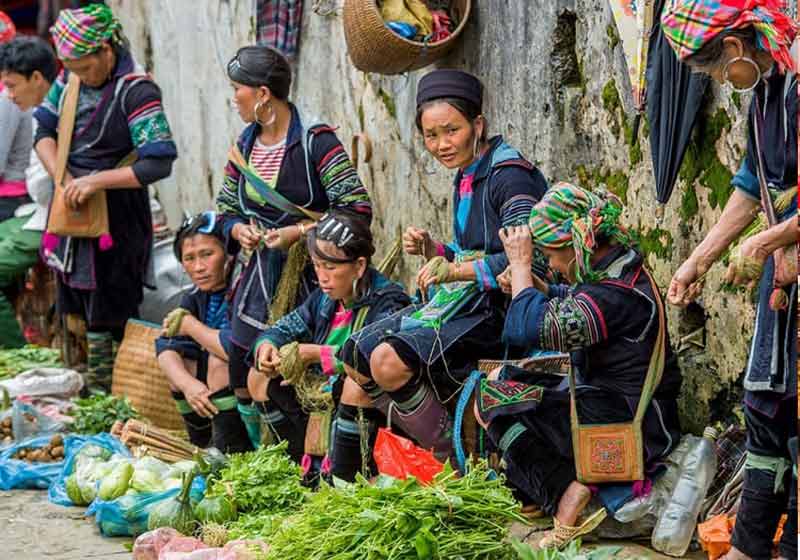
The weekend markets of the broader Sapa region remain rewarding visits throughout November. Bac Ha Market, held every Sunday, and Can Cau Market, held on Saturdays, continue to draw the Flower H’mong and other ethnic minority communities from the surrounding hills in a vivid display of traditional clothing, fresh highland produce, and handwoven textiles.
November visits to these markets feel particularly authentic, as the reduced tourist numbers mean the markets retain their original community character rather than feeling staged for outside visitors.
Sapa Market — also called “Chợ Phiên”
Experience a Village Homestay
November is one of the most rewarding months of the year to stay overnight in a highland village.
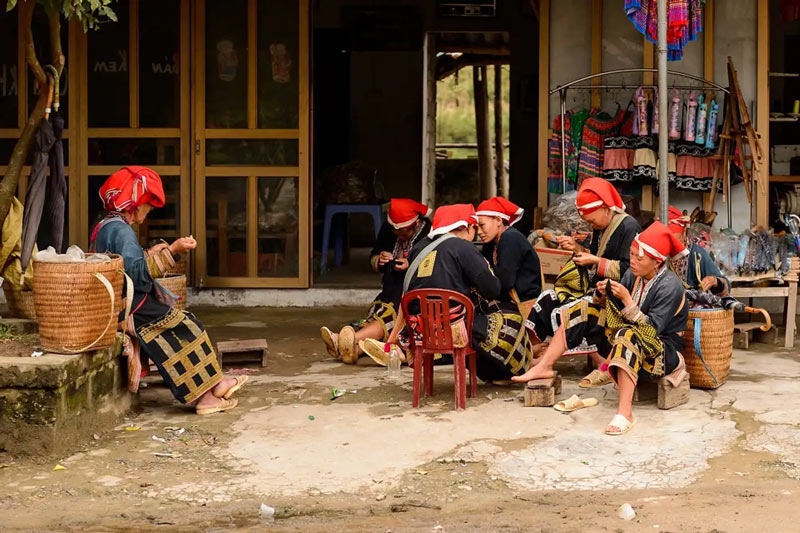
The farming year is winding down after the harvest, and families have more time and energy to welcome and engage with guests. Evenings in a Black H’mong or Red Dao home in November have a particular warmth and intimacy — the cold outside makes the hearth fire and shared meal feel all the more meaningful, and the quiet of the village after dark, with the cold mountain sky overhead, is an experience that stays with travellers for years.
Explore the Hoang Lien Son National Park
November is an excellent month for deeper exploration of Hoang Lien Son National Park, which borders the Sapa trekking zone and extends up into the Fansipan massif.
The park’s old-growth forest is home to a remarkable range of bird species, and November, sitting between the peak tourist seasons, is one of the best months for birdwatching in the park. Species including laughingthrushes, minlas, and various sunbird and babbler species are active through the cooler months, and the reduced undergrowth of the post-monsoon season makes spotting easier than in the thick green of summer.
What Clothes to Wear in Sapa in November?
November requires the most serious cold-weather preparation of any month so far in the year. Days are cool and comfortable for active trekking, but evenings, nights, and early mornings are genuinely cold, and the wind chill at higher elevations adds a further edge that light clothing will not handle.
Warm mid-layers: a good fleece or down gilet is essential for the cool daytime temperatures and the sharp drop in temperature that comes with the late afternoon.
Insulated jacket: a proper warm outer layer is required for evenings, early mornings, and any time spent above 2,000 metres.
Thermal base layers: lightweight thermals worn underneath regular clothing make a significant difference on the coldest November days and nights.
Warm hat and gloves: non-negotiable for evenings and for any visit to the Fansipan summit, where temperatures can approach freezing.
Sturdy walking or hiking shoes: trails are dry in November; waterproofing is less critical than in the rainy season, but good grip and ankle support remain important on rocky mountain paths.
Light waterproof jacket: occasional light showers can occur in early November; a packable rain layer remains a sensible addition to your daypack.
Sunscreen: the November sun at altitude is still capable of burning, particularly at midday when the skies are clear.
Packing in layers is the most effective strategy for November, as temperatures can vary by as much as 10°C between the warmest part of the afternoon and the cold of the early morning.
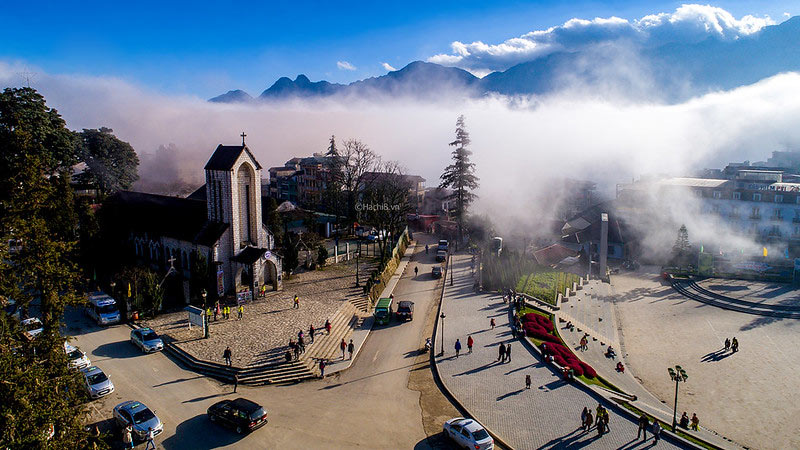
Today, the ancient Sapa church stands proudly as a testament to Vietnam’s rich history
FAQs About Sapa Weather in November
Is November a good time to visit Sapa?
Yes, particularly for travellers who prefer quieter, more atmospheric conditions. November offers dry weather, excellent visibility, beautiful morning mist, and uncrowded trails. It lacks the dramatic golden terraces of October but compensates with a serene, contemplative beauty and a more authentic, unhurried travel experience. Those who are well prepared for the cold will find November deeply rewarding.
How cold does Sapa get in November?
November days are cool, typically reaching between 12°C and 20°C. Nights are genuinely cold, dropping to around 7°C–12°C in the town, and colder still at higher elevations. At the Fansipan summit, temperatures can approach or dip below freezing on the coldest nights. Warm layers, a proper jacket, hat, and gloves are all essential.
Does it snow in Sapa in November?
Snow in Sapa town in November is extremely rare. However, the upper slopes and summit of Fansipan can experience frost and occasional light snow on the coldest nights of the month, particularly in the second half of November as temperatures continue to fall. Snowfall at town level is far more associated with January and February.
Is trekking good in November in Sapa?
November is excellent for trekking. Trails are dry, the air is clear and cool, and the lower visitor numbers mean a more peaceful and immersive experience on the routes. The post-harvest landscape has its own quiet beauty, and the cooler temperatures make even long full-day treks comfortable and enjoyable.
Is November crowded in Sapa?
November is one of the quieter months in Sapa in terms of visitor numbers. The October harvest rush has subsided and the Christmas and New Year period has not yet begun. Accommodation is generally easier to find and at lower prices than in October, and the trails and viewpoints are noticeably less busy. It is still worth booking in advance for weekend visits, however, as Sapa remains a popular domestic weekend destination year-round.
What is the landscape like in Sapa in November?
The rice harvest is complete by November, and the terraces lie cut and bare across the hillsides. The landscape is quieter and more subdued than October but has a clean, geometric beauty of its own. Morning mist fills the valleys at dawn and the surrounding forest carries fading autumn tones. On clear days, views across the Hoang Lien Son range are exceptionally sharp and far-reaching.
What should I pack for Sapa in November?
Thermal base layers, warm mid-layers, an insulated jacket, a warm hat and gloves, sturdy hiking shoes, a light packable rain jacket, and sunscreen are all recommended for travel in Sapa in November. Layering is key, as temperatures shift significantly between the warmest part of the afternoon and the cold of the night.
Planning your trip?
Save time and get expert advice for FREE!
✅ 15 years of local experience
✅ Save up to 40 hours of planning
✅ Travel stress-free from start to finish
Book your free consultation today!





 Our team
 Our team
 Our team
 Our team

.jpg)
.jpg)


 Other
Other Add us as a preferred source