Hoang Su Phi Travel Guide: Ha Giang's Best-Kept Secret
Have you ever stood on a mountain ridge and felt like the world had been painted just for you? That's exactly what Hoang Su Phi does to you. Tucked away in the western corner of Ha Giang Province in northern Vietnam, this district is the kind of place that travel writers call "off the beaten track" and actually mean it. While the Ha Giang Loop has become increasingly famous among backpackers and adventure seekers, Hoang Su Phi remains gloriously, almost stubbornly, undiscovered by the masses.
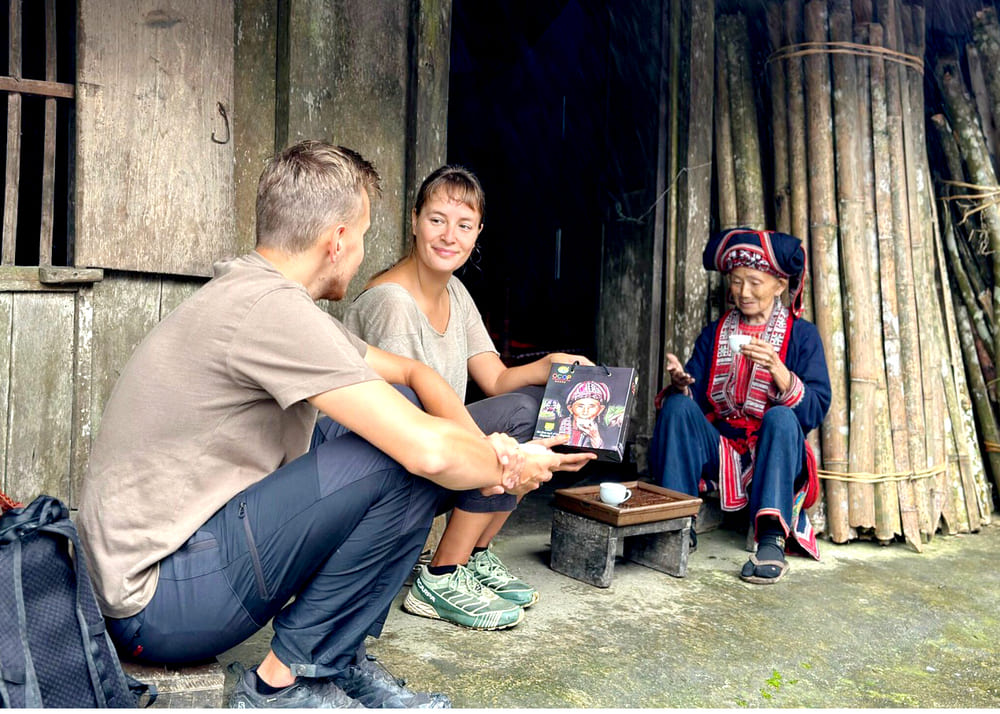
If you're the type of traveler who dreams of waking up to misty mountain terraces, sharing a cup of corn wine with a Dao grandmother, and trekking through forests where the only soundtrack is birdsong and the wind - welcome. You've found your destination.
Written by Trang Nguyen (Local Expert)
Updated on Apr 14, 2026
0 comment
Trang Nguyen has lived in Vietnam for nearly three decades and spent much of her life exploring Asia. She has joined numerous field trips, stayed with ethnic communities in the northern mountains, and gained deep insights into local cultures and landscapes. Her writing reflects an honest passion for authentic travel and meaningful connections. If you have any questions about her journeys, feel free to reach out and leave a comment!
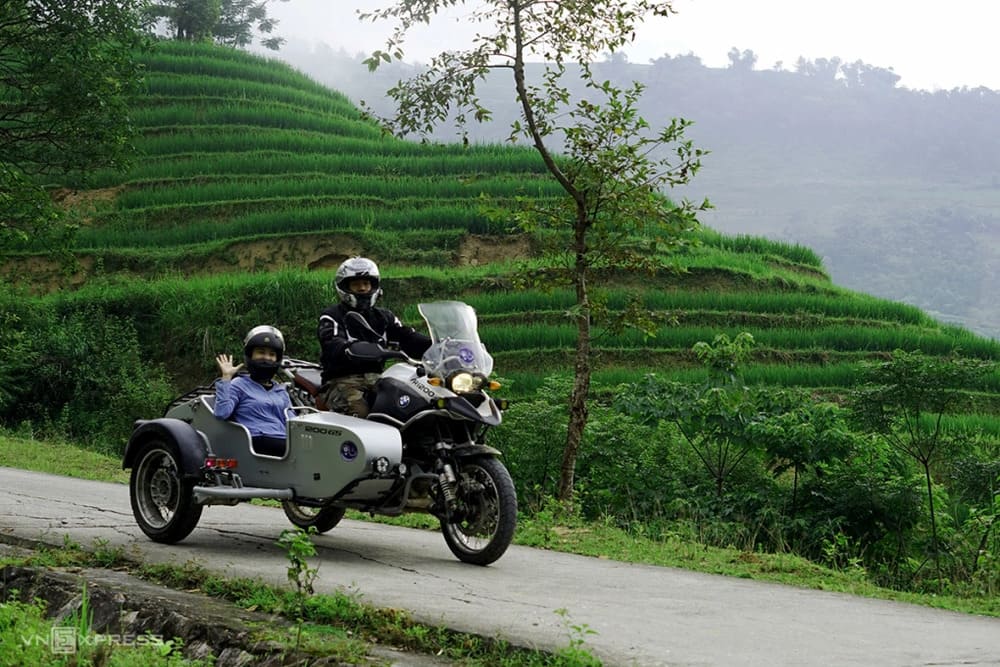
How to get there: 7–11h from Hanoi by bus, motorbike, or private car.
Where Exactly Is Hoang Su Phi?
Hoang Su Phi is a district in Ha Giang province (now a part of Tuyen Quang province), near Vietnam’s northern border with China. It is about 350 kilometers from Hanoi, set between the Chay River valley and rugged mountain ridges leading toward the Yunnan Plateau.
The area is known for its nearly 3,000 hectares of terraced rice fields, recognized as a National Heritage Landscape and among the most impressive in Vietnam.
Why Hoang Su Phi Is Different From Sapa and Mu Cang Chai
Let's be honest: Sapa is wonderful, but it's also crowded, commercialized, and increasingly hard to experience authentically. Mu Cang Chai has breathtaking terraces but limited trekking infrastructure. Hoang Su Phi sits in a sweet spot: the landscapes rival both destinations, but the tourism footprint remains small. You can still walk into a village and be welcomed as a genuine guest rather than just another camera-wielding visitor.
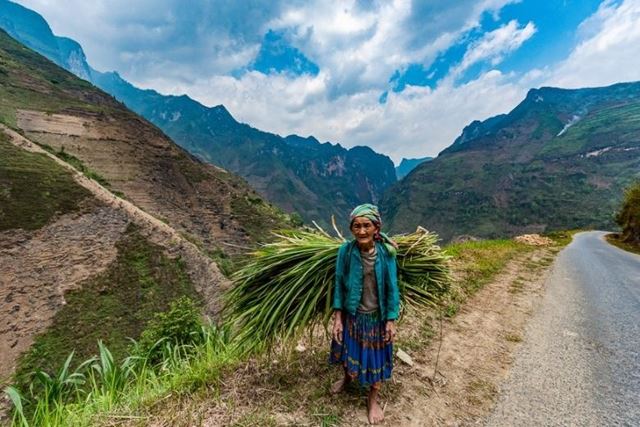
What sets Hoang Su Phi apart is its ethnic diversity. The district is home to twelve different ethnic groups, creating a rich mix of traditions, clothing, and ways of life that remain largely unchanged.
What sets Hoang Su Phi apart is its ethnic diversity
Top Things to Do in Hoang Su Phi
Trekking and Hiking Routes
Hoang Su Phi is made for walking, with trails ranging from easy half-day routes through terraced villages to challenging multi-day treks across mountain passes and forests. The most popular route connects Ban Phung, Ho Thau, and Nam Ty over two to three days, with homestays in each village.
Hiring a local guide is highly recommended. They help with navigation, explain local culture, and lead you to viewpoints that are easy to miss on your own.
Note: If you’d like a local guide, feel free to reach out to us. Our experienced guides will take you off the beaten path, share local insights, and help you discover hidden viewpoints you might otherwise miss.
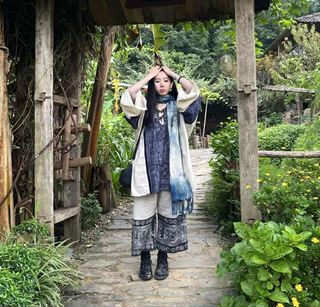
A local in Hoang Su Phi
Photography Spots You Can't Miss
Hoang Su Phi is a rewarding destination for photographers of all levels. Mountain light changes quickly, so aim for early mornings and late afternoons. A classic approach is to reach a ridge before sunrise and capture the mist lifting over the terraces.
Beyond landscapes, some of the best shots are in the villages: daily life, traditional clothing, and quiet, authentic moments that tell a deeper story.
Conquer the Tay Con Linh Peak
If you’re looking for a real adventure near Hoang Su Phi, head to Tay Con Linh. This is one of the highest peaks in Northeast Vietnam, rising to 2,419 meters and stretching across Hoang Su Phi and Vi Xuyen.
The trek itself is the highlight. As you climb, you’ll pass through dense, untouched tropical forest before reaching viewpoints that open up to sweeping valleys below. On a clear day, you can see layers of terraced rice fields winding across the mountainside.
As you climb, you’ll pass through dense, untouched tropical forest
before reaching viewpoints that open up to sweeping valleys below.
Visiting Local Markets
Hoang Su Phi’s weekly market is one of the most authentic in Ha Giang Province, where locals gather to trade goods like tools, fabric, livestock, vegetables, and homemade rice wine.
Arrive early, around 6–7am, to see the market at its liveliest before the heat and crowds build. It’s also a great place to spot the diverse traditional dress of different ethnic communities.
It’s also a great place to spot the diverse traditional dress of different ethnic communities.
Skip hotels. Homestays are the best way to experience Hoang Su Phi. These family-run homes offer simple but comfortable stays and a close look at daily village life.
You will share home-cooked meals with your hosts, often made with local ingredients like vegetables, fish, and free-range chicken. The conversations may be simple, but they are genuine and often become the most memorable part of the trip.
These family-run homes offer simple but comfortable stays and a close look at daily village life.
The Iconic Terraced Rice Fields of Hoang Su Phi
Ban Phung
If you visit only one commune, choose Ban Phung. About 18 km from the district center, it has the most dramatic terraces, rising hundreds of meters like a giant staircase. Arrive early to catch the morning light, which brings out the best views.
Ho Thau and Thong Nguyen
These areas offer a softer landscape, with wider terraces and lush surrounding forests. Ho Thau is especially good for multi-day trekking, with well-connected village trails and experienced local guides.
San Sa Ho and Nam Ty
Less visited but well worth it. San Sa Ho features narrow, intricate terraces, while Nam Ty sits higher and offers wide panoramic views. Sunrise here is particularly memorable on a clear day.
How to Get to Hoang Su Phi from Hanoi
Transport
Summary
Motorbike
- ~7–9 hours via Tuyen Quang and Bac Quang
- Best for experienced riders
- Roads mostly paved but mountainous
- 110cc semi-auto or 150–250cc manual recommended
Bus
- ~9–11 hours (overnight from My Dinh station)
- Cost: 200,000–250,000 VND
- Budget option, basic comfort
- Extra transport needed to reach villages
Private Car
- ~7–8 hours door-to-door
- Flexible stops, most comfortable
- Ideal for groups
- ~USD 100–150 round trip
Best Time to Visit Hoang Su Phi
The best time to visit Hoang Su Phi is September to early November, during the harvest season when the rice terraces turn golden.
April to June (water season): Flooded terraces create mirror-like reflections, ideal for photography.
July to August (green season): Lush green fields, perfect for trekking.
September to early November (harvest season): Golden terraces, best overall time to visit.
Where to Stay
Accommodation ranges from basic guesthouses to cozy homestays. Viet Quang town offers small hotels (200,000–600,000 VND per night) and works well as a base.
For a more authentic experience, stay in local homestays in Ho Thau, Ban Phung, or Thong Nguyen. These are the highlight of the area.
Book early during harvest season (September–October), as options are limited and fill up quickly.
For a more authentic experience, stay in local homestays in Ho Thau, Ban Phung, or Thong Nguyen
What to Eat in Hoang Su Phi
Food in Hoang Su Phi is simple, hearty, and locally sourced. Expect fresh river fish, forest mushrooms, sticky rice, and seasonal vegetables.
A must-try is thắng cố, a traditional highland stew made from horse or buffalo, rich in herbs and spices. Pair it with rượu ngô (corn wine), a mildly sweet but strong local spirit often offered as a warm welcome.
Expect fresh river fish, forest mushrooms, sticky rice, and seasonal vegetables.
Essential Travel Tips
Physical Preparation
Trekking is challenging with steep, uneven terrain
Prepare your legs and stamina in advance for multi-day hikes
Packing Smart
Bring a lightweight rain jacket (weather changes fast)
Wear proper hiking shoes or waterproof boots
Carry cash (ATMs are very limited)
Pack a power bank (electricity can be unreliable)
Pack light to leave room for local goods
Respect Local Culture
Always ask before taking photos
Dress modestly in villages
Accept hospitality politely, but know your limits
Support locals by buying handmade products
Conclusion
Hoang Su Phi remains one of Vietnam’s last truly untouched destinations. Beyond its stunning rice terraces, it’s the local culture and daily life that make it unforgettable. Visit while it still feels wild and authentic.
FAQs
1. Is Hoang Su Phi suitable for solo travelers?
Yes, Hoang Su Phi is very suitable for solo travelers. The homestay culture makes it easy to meet locals and other visitors, creating a friendly and social environment. For trekking, hiring a local guide is strongly recommended for both safety and a deeper cultural experience, especially in remote areas.
2. Do I need a permit?
No permit is required to visit Hoang Su Phi itself. However, some places near the Chinese border may be restricted. If you plan to explore deeper into rural or border areas, a local guide will help ensure you stay within permitted zones and avoid any issues.
3. How many days should I spend in Hoang Su Phi?
You should spend at least 3 days to explore the main communes and enjoy a short trek. Ideally, 4–5 days will give you a more complete experience, including multi-day trekking, visiting local markets, and spending time with ethnic communities without feeling rushed.
4. Can I visit Hoang Su Phi as a day trip from Ha Giang city?
While it is technically possible, it is not recommended. The journey takes around 2.5–3 hours each way, which leaves very little time to explore. Staying at least one night, or ideally longer, allows you to fully experience the landscapes and local culture.
5. What is the money situation in Hoang Su Phi?
Cash is essential in Hoang Su Phi, as most homestays, local guides, and markets do not accept cards. ATMs are very limited outside the district center, so it’s best to withdraw money in Hanoi or Ha Giang city beforehand. Bringing around 2–3 million VND in small denominations is a safe and practical amount for a few days.
Planning your trip?
Save time and get expert advice for FREE!
✅ 15 years of local experience
✅ Save up to 40 hours of planning
✅ Travel stress-free from start to finish
Book your free consultation today!




 Our team
 Our team
 Our team
 Our team

.jpg)
.jpg)

.jpg)

.jpg)
.jpg)
.jpg)
.jpg)
.jpg)
.jpg)


 Other
Other